


Kalimantan, Indonesia, Central Kalimantan
Orangutan Feeding at Camp Leakey Research Centre
Get up close to the fascinating orangutan, while witnessing the wonderful work done to protect them and their habitat.
Indonesian Borneo, or Kalimantan, to take its proper name, has the highest number and greatest density of orangutans in the world. Camp Leakey, found in the rainforests to the west of Pangkalan Bun in Central Kalimantan, is one of the best places to see for yourself the attempts to preserve this population and protect the forest against the ever-more aggressive loggers.
Established in 1971 by Dr. Biruté Galdikas and her then-husband Rod Brindamour, Camp Leakey is a world-renowned research facility predominantly focused on orangutans. However, it also has far-reaching projects on other endangered primates, such as the proboscis monkey, and studies on the rainforest ecosystem as a whole.
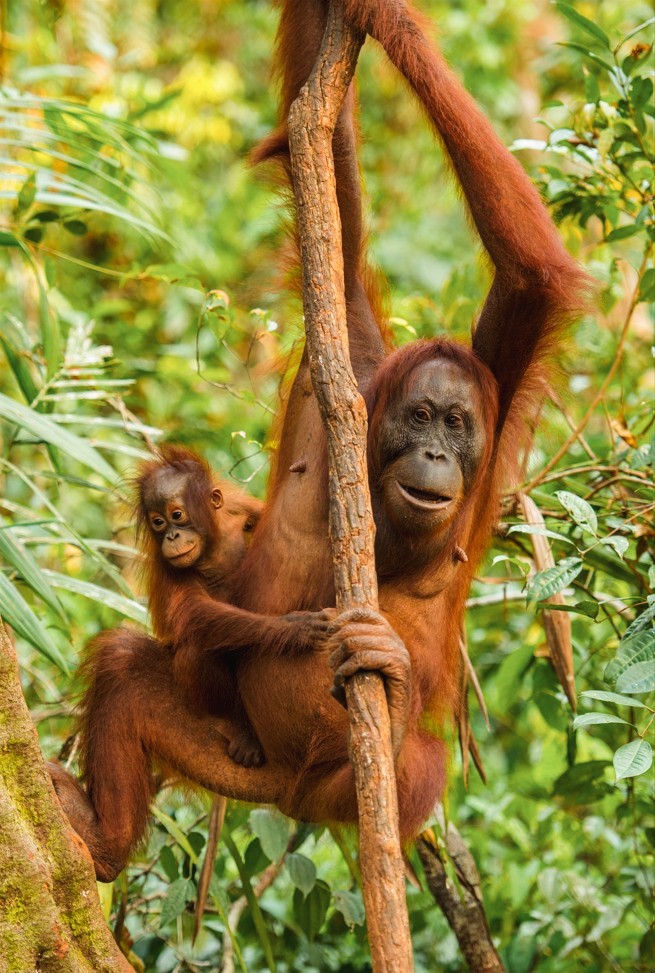
Home to a population of ‘ex-captive’ orangutans and their offspring, Camp Leakey offers guests the opportunity to get close to these wonderful animals and experience their behavioural techniques firsthand. The park’s eco credentials are fantastic, and its history of reintroducing orangutans into the wild is impressive.
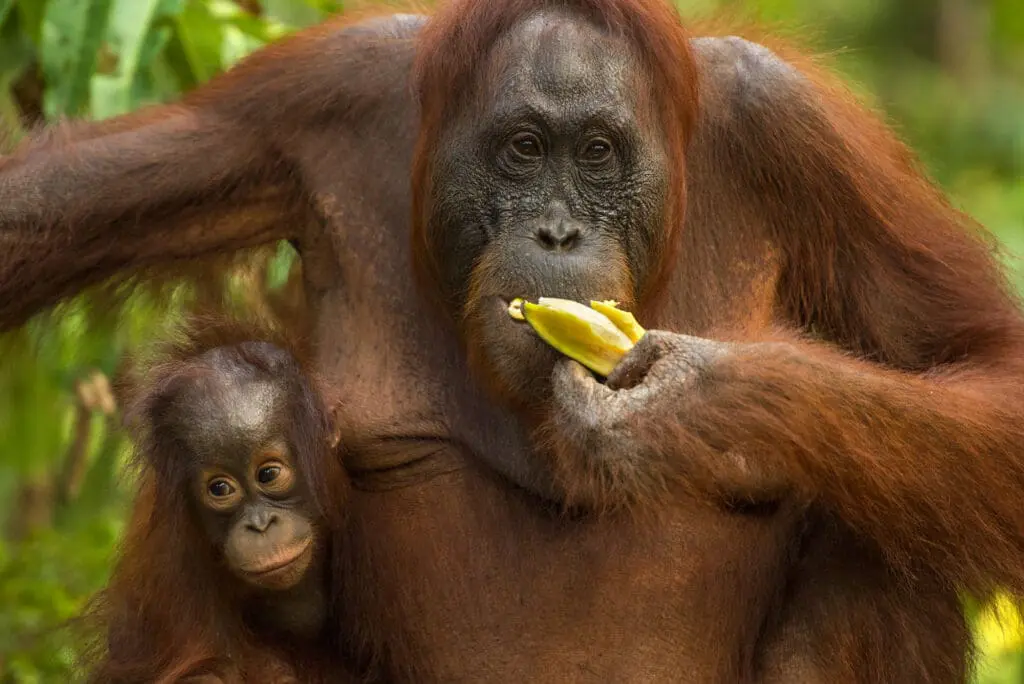
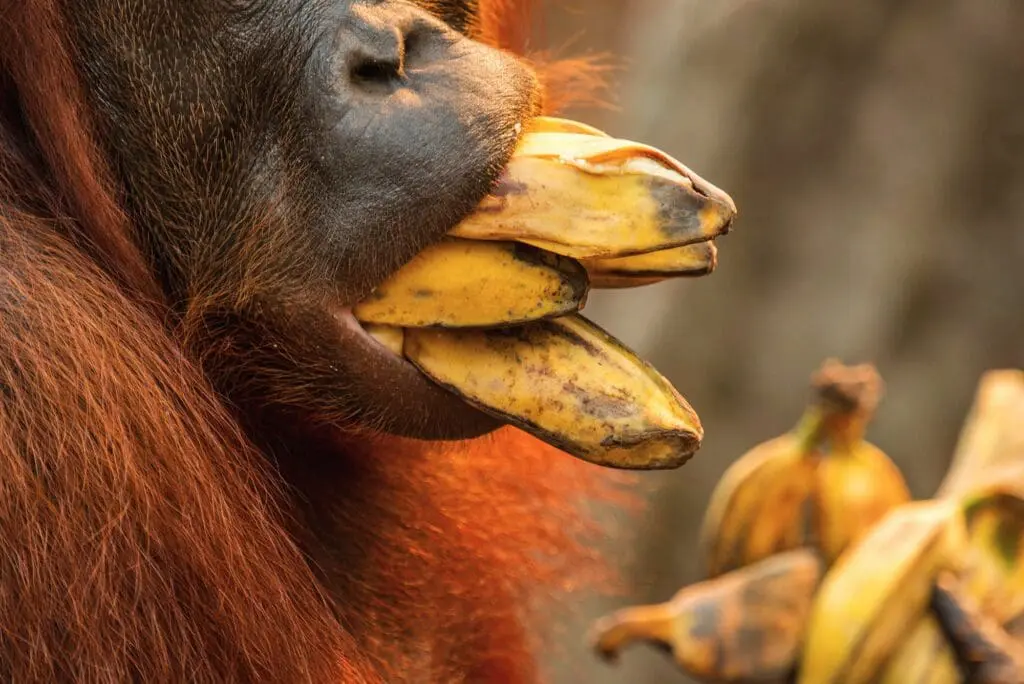
After an early breakfast at your lodge, a 2.5-hour cruise up the Leakey River will take you towards Camp Leakey – an orangutan research and breeding centre. You will be led by a local Ranger and your guide on a trek through the jungle to the feeding platform, where you will be able to see and help with the feeding of the orangutans. You will also have time to explore the centre’s little museum, where you will start to get a feel for and understanding of the tragic destruction that is going on all around this beautiful wilderness.
What you’ll do
- Travel upriver by boat to reach Camp Leakey, deep in Central Kalimantan’s rainforest
- Join local rangers at the feeding platform, where you’ll see orangutans and their babies arrive from the trees to eat
- Learn how the centre rescues and rehabilitates these great apes, and see firsthand how your visit supports their protection