


Flood Plains National Park sits between Wasgomuwa and Somawathiya Chaitiya National Parks in Sri Lanka’s central lowlands.
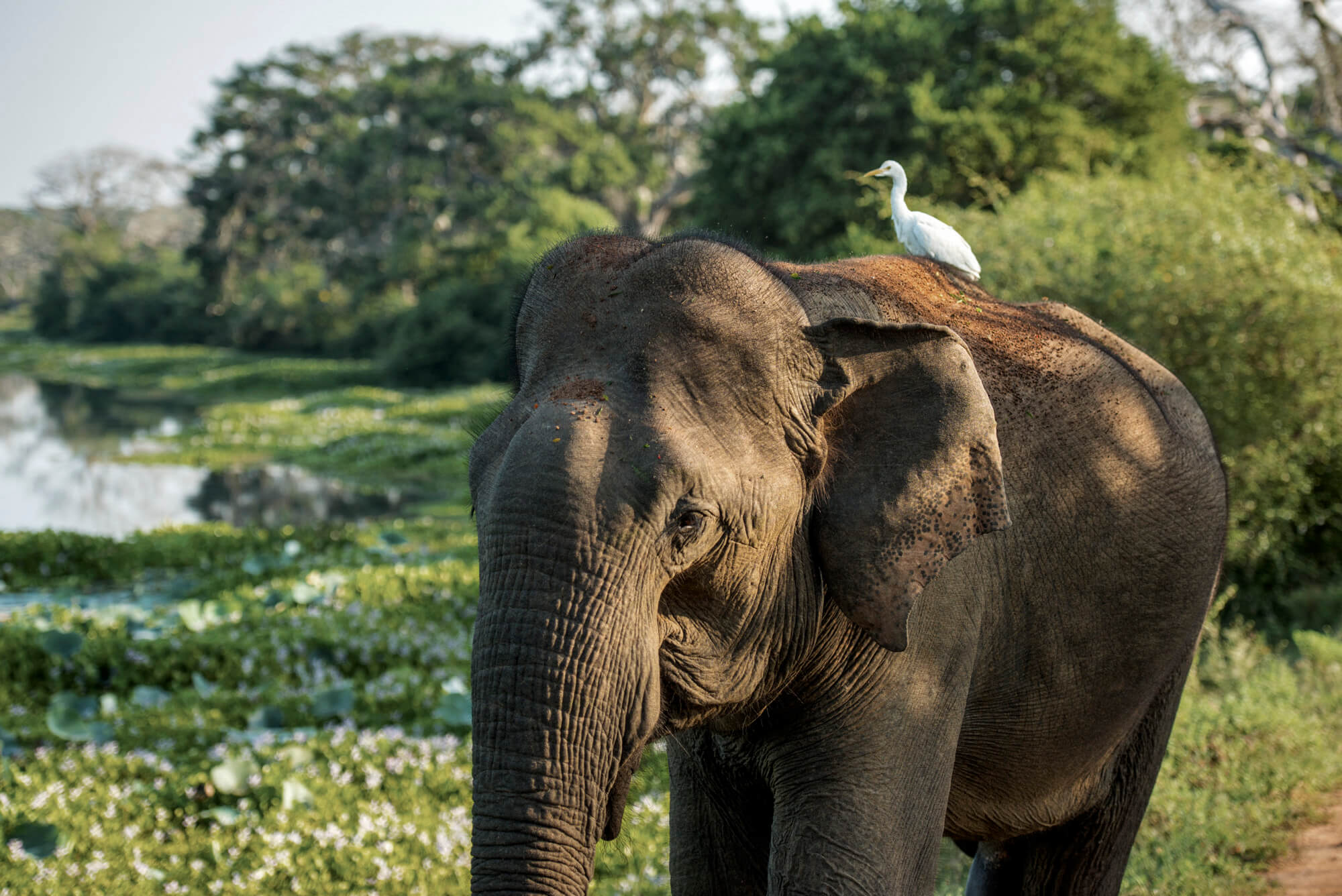
Straddling the Mahaweli Ganga, this unique landscape of rich floodplains and seasonal marshes, known locally as villus, forms an essential link in the Mahaweli ecosystem. These wetlands are a haven for waterfowl and grazing animals and act as a critical migration corridor for elephants.
The area was declared a national park in August of 1984, the same time as neighbouring Wasgomuwa, and covers an area of around 17,350 hectares. The prolonged periods of flooding in these areas are responsible for the high level of productivity found here, with species such as water lettuce, kumbuk and rattan cane just some of many to be found here.
At present, Flood Plains National Park is closed to general visitors in order to enable more effective wildlife conservation.


The rich vegetation in the villus attracts large numbers of grazing animals and birds, supporting a higher annual biomass than any other type of habitat within the Mahaweli Development Project area. The floodplains are an important habitat for the Asian elephant as well as providing a corridor for the elephants of Wasgomuwa and Somawathiya Chaitiya to move between the two parks. Fishing, jungle and rusty-spotted cats and wild boar are also present, along with water buffalo and many species of deer. For reptile lovers, the villus supports a large population of herpetofauna including natricine water snakes and mugger and estuarine crocodiles.
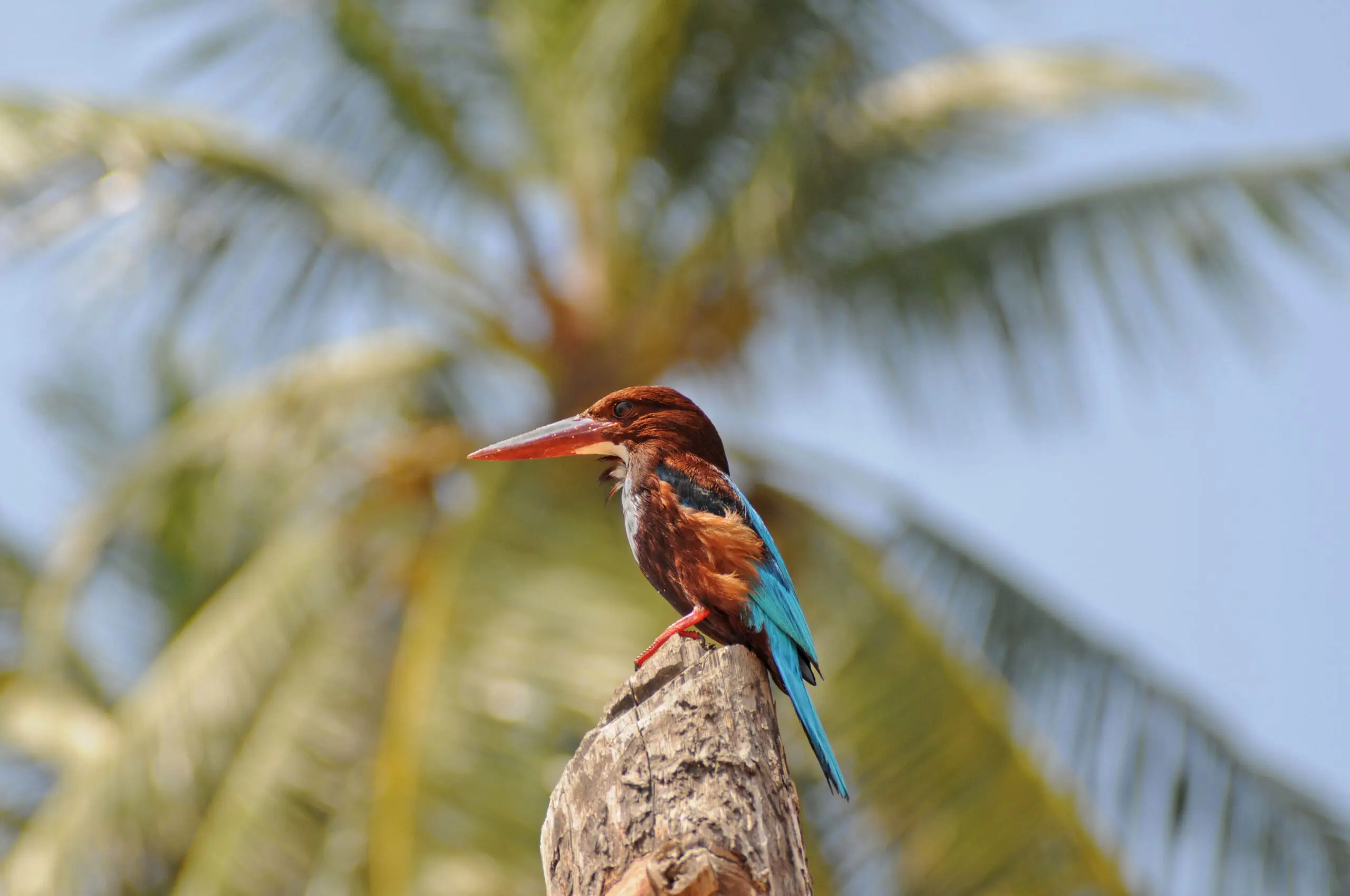
The floodplains here are particularly important, however, for the diversity and abundance of their avifauna and particularly migrant birds. It is estimated that around 75 migrant species spend their winter in the marshes of the national park with the marsh sandpiper, Asiatic golden plover, osprey and painted stork among others commonly seen.