


Java, East Java
Malang's Ancient & Colonial History
Sometimes nicknamed the ‘Paris of East Java’ and famed for its cool mountain air and the breathtaking rural surroundings, the ancient city of Malang is an interesting city to explore.
There’s a mix of traditional Javanese temples, Dutch Colonial architecture, and modern Indonesian society.
You’ll experience this firsthand with your expert local guide.
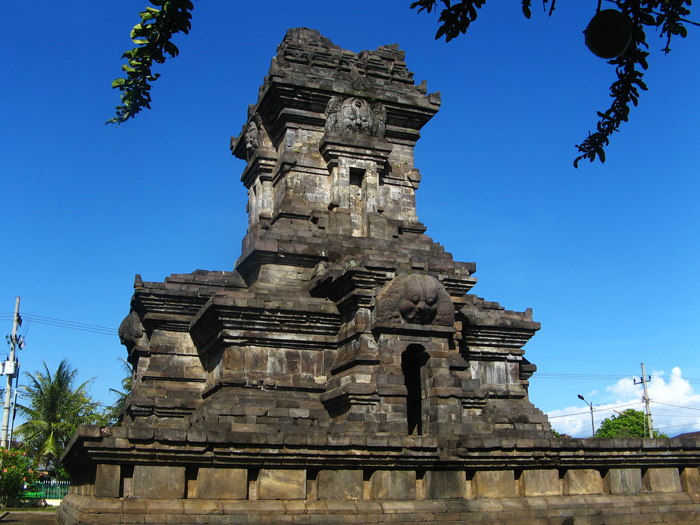
You will start the day by visiting the Singosari Temple, located about 12 kilometres north of Malang and partially restored in the 1930s. It is one of the monuments built in memory of Kertanagara, the last of the Singosari Kings, who died when his palace was seized by a usurper in 1292.
In its original state, the roof would have mirrored the cosmic Mt Mahameru of Hindu mythology, four lesser pinnacles on each side surrounding a taller, central ‘peak’. The most striking feature remains the intricate kala heads that crown the roof. Curiously, they fade into simple outlines above the lower-level entrance and wall niches, revealing that carvers worked from the top down.
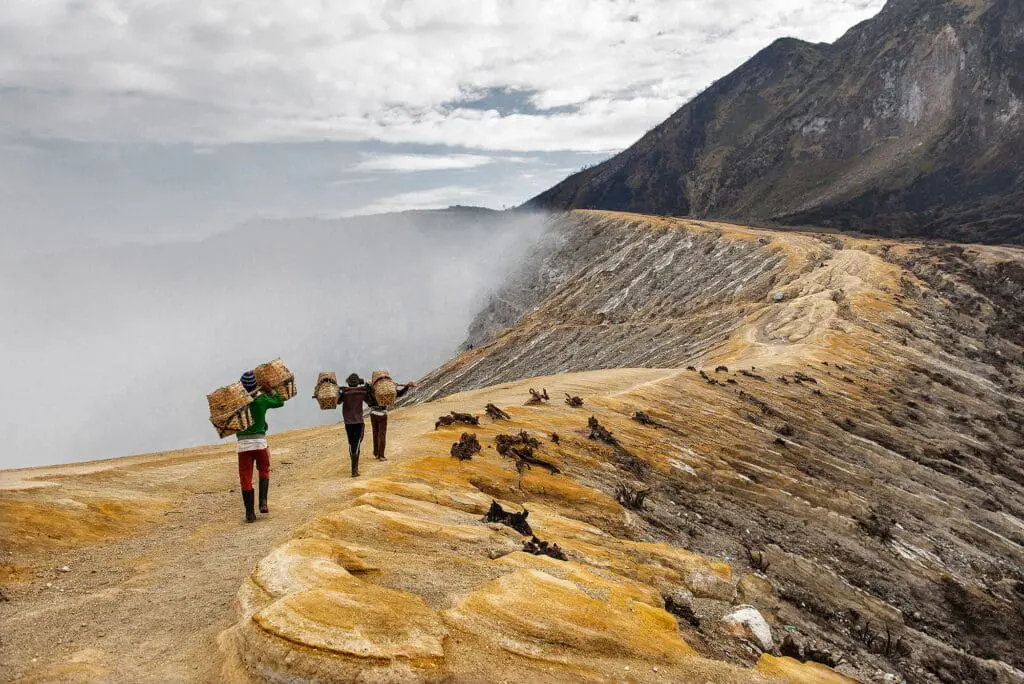
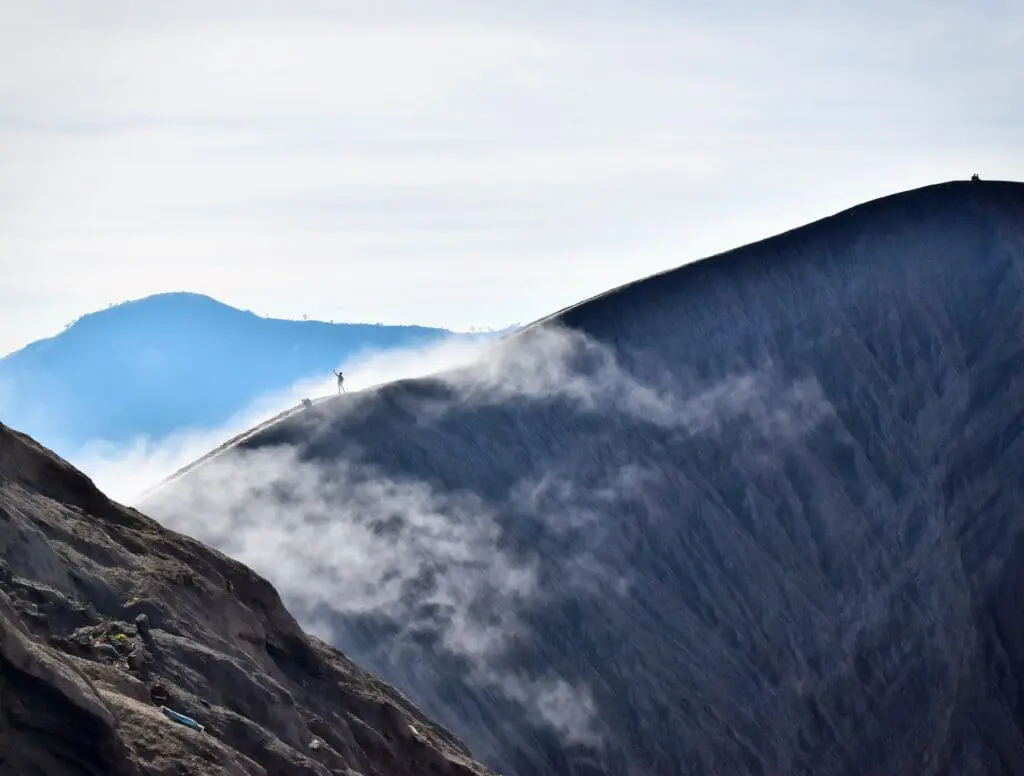
You’ll also visit Jago (or Jajaghu) Temple, constructed in 1275 – 1300 AD and believed to be the burial place of King Wisnuwardhana’s ashes, the fourth king of the Singosari kingdom. Found to the east of the city in the village of Jago in the Tumpang District, the journey between the two temples provides you with the opportunity to experience the contrasting architecture of the city and the dramatic volcanic peaks and lush countryside that surround it.
What you’ll do
- Explore Malang’s blend of Javanese temples, Dutch Colonial heritage, and vibrant modern life with your local guide
- Visit Singosari Temple, built to honour the last Singosari King, and admire its intricate carvings and cosmic-inspired design
- Travel through lush countryside to Jago Temple, believed to hold a king’s ashes, and take in the volcanic scenery along the way