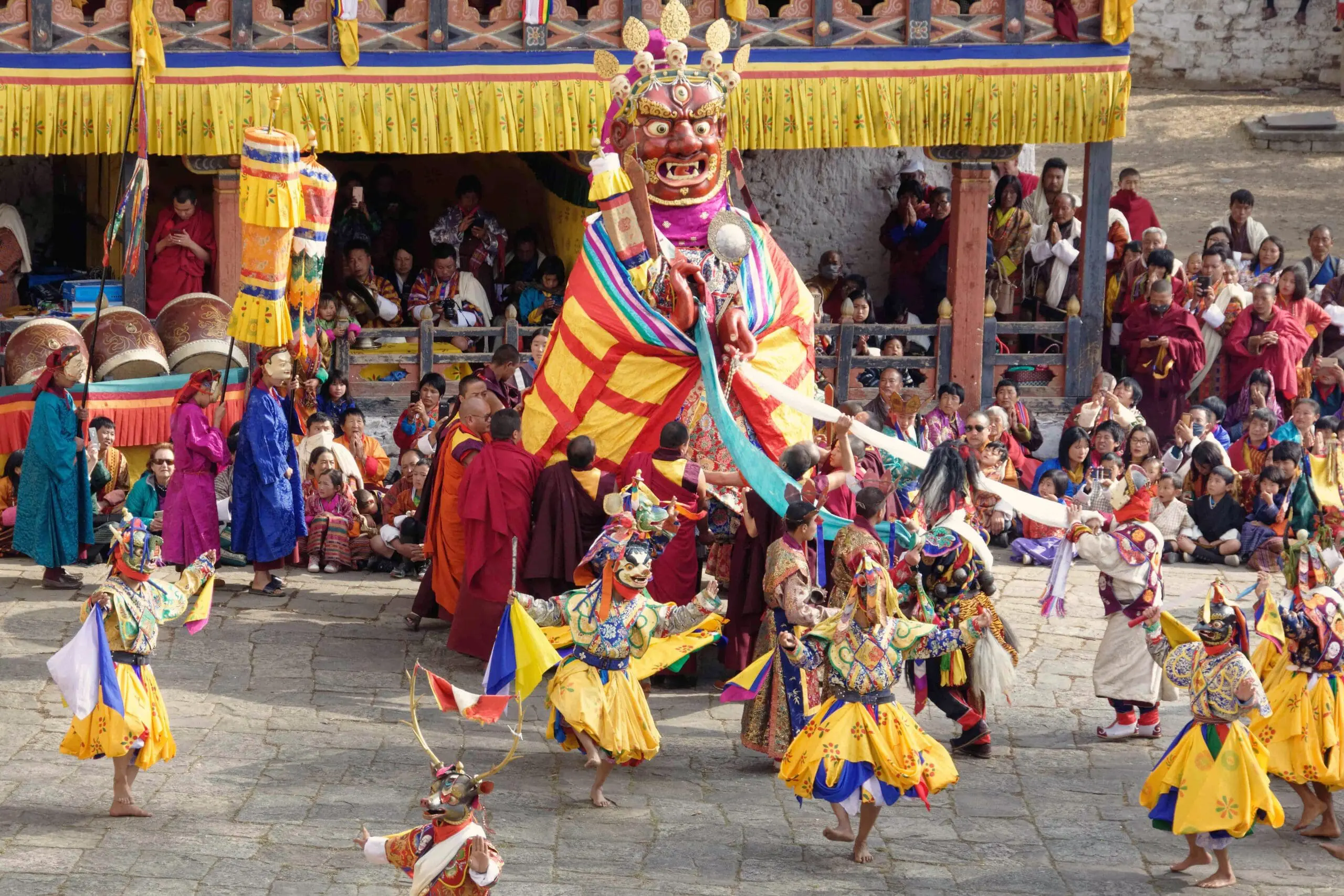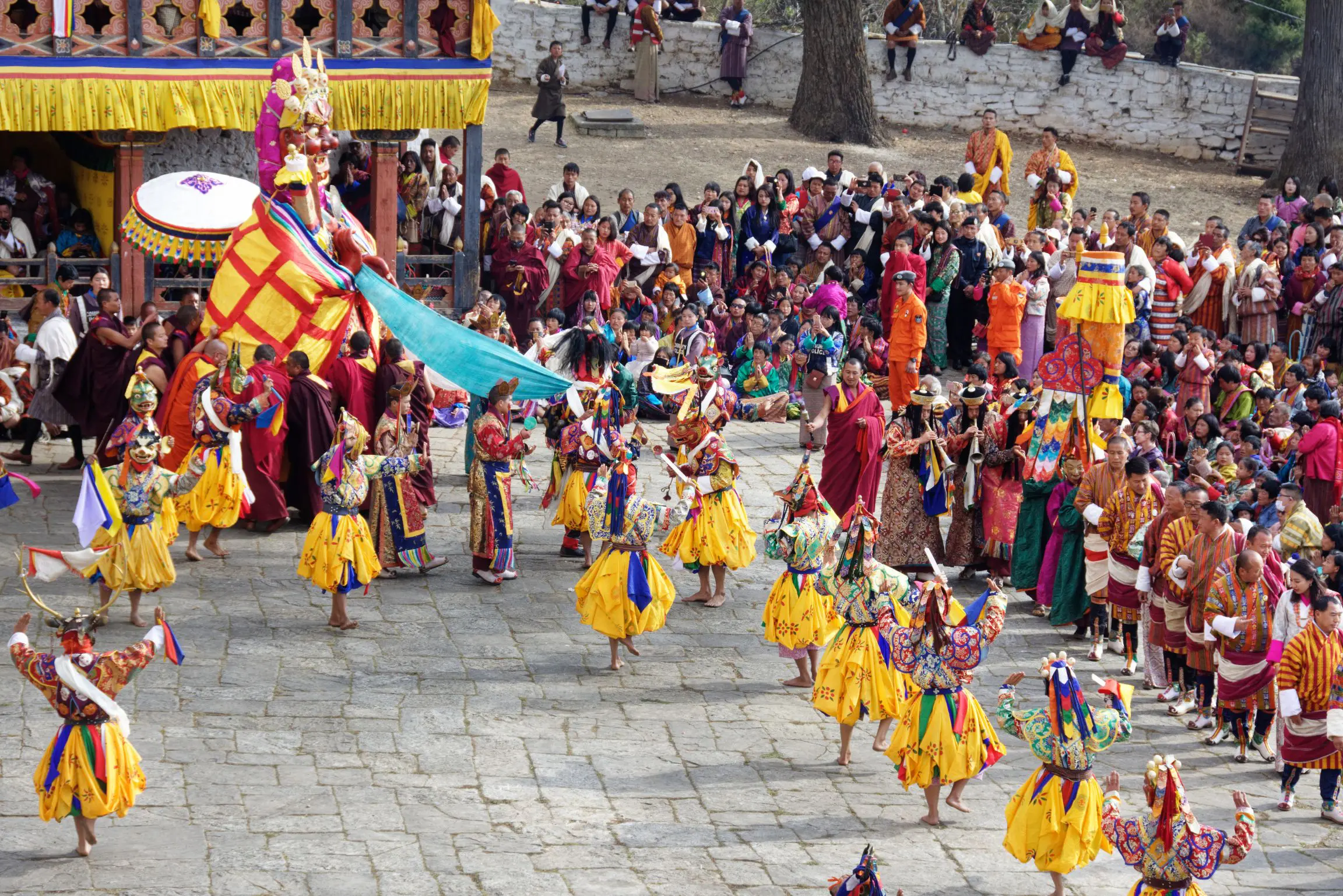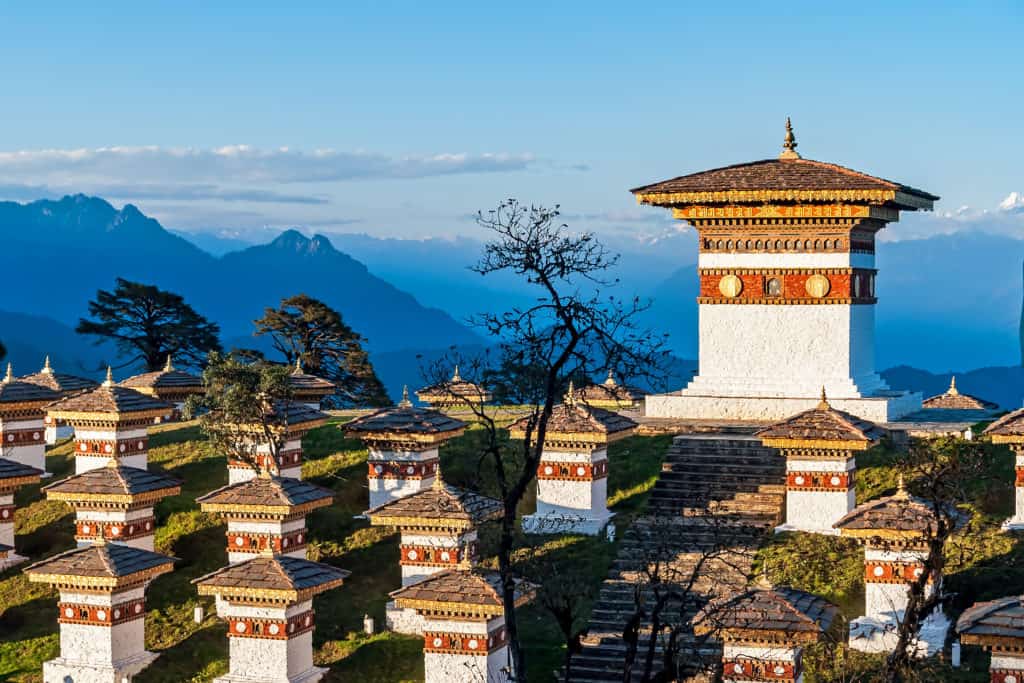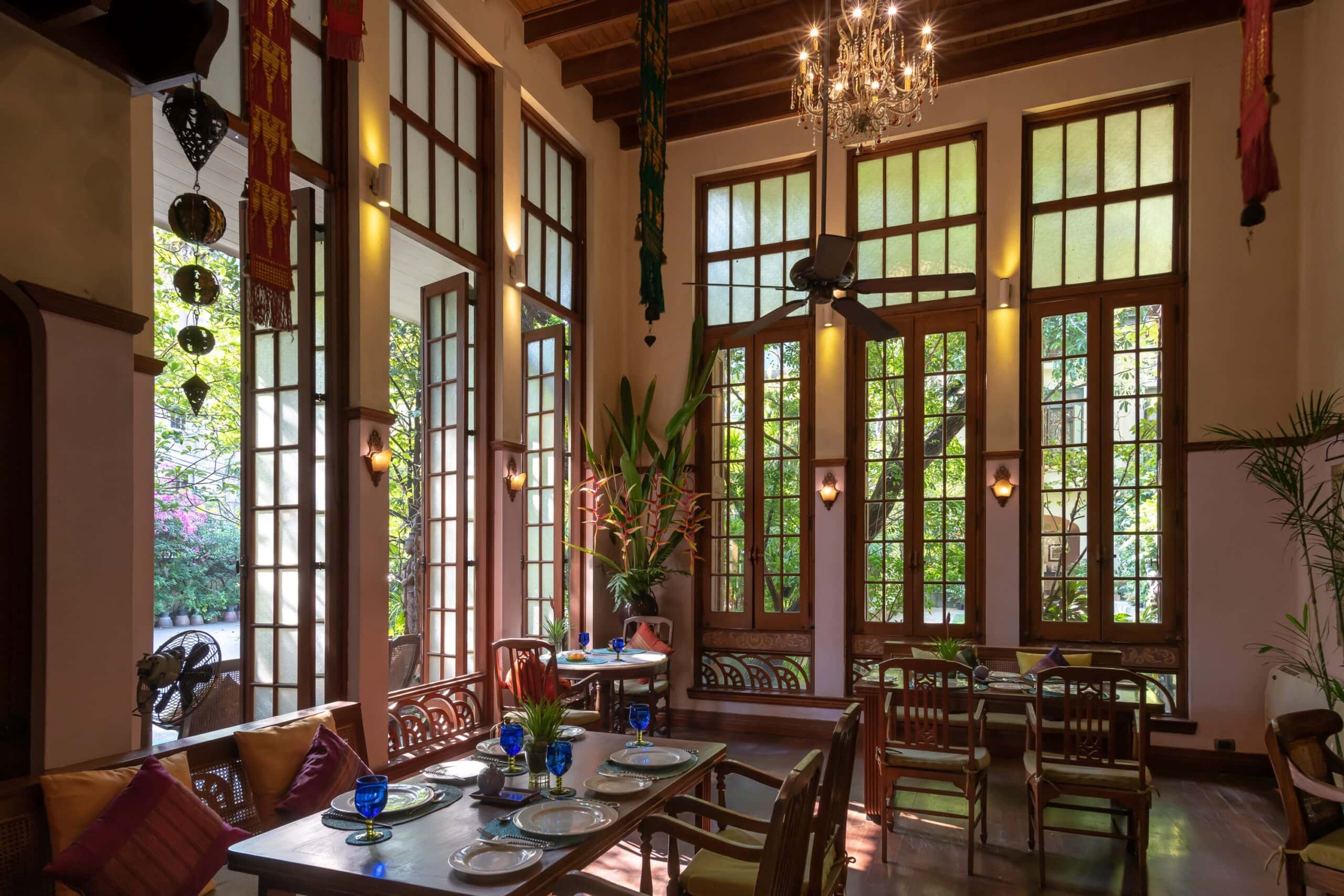



The Sunday Times and Condé Nast Traveller contributor Lisa Kjellsson travelled to Bhutan with Experience Travel Group recently. Here, Lisa shares her discoveries about the country’s cuisine, including a memorable momo cooking class at a Bumthang homestay.
For the Love of Local Food
Trying local foods is undeniably one of the great joys of travelling, especially in parts of the world known for their cuisine, like most Asian countries. You don’t have to be a diehard foodie to enjoy browsing a farmers market or grabbing a bite at a hole-in-the-wall eatery – sometimes an adventure in itself.
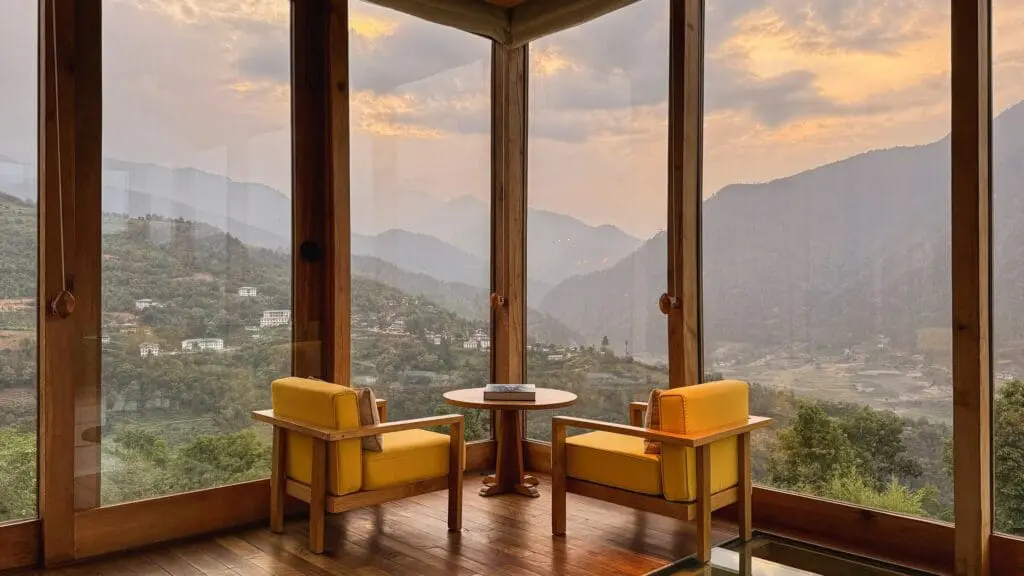
But often when I tuck into a specialty dish in a restaurant, or peruse a hotel menu, I find myself wondering how the local population cooks and eats at home. Are the culinary traditions I’m sampling still part of the contemporary culture? Do people still make time to prepare these delicacies from scratch? These thoughts pop up in my mind from time to time, and not least when I enjoyed my first plate of momos at Pemako, a five-star retreat in Bhutan’s Punakha valley.
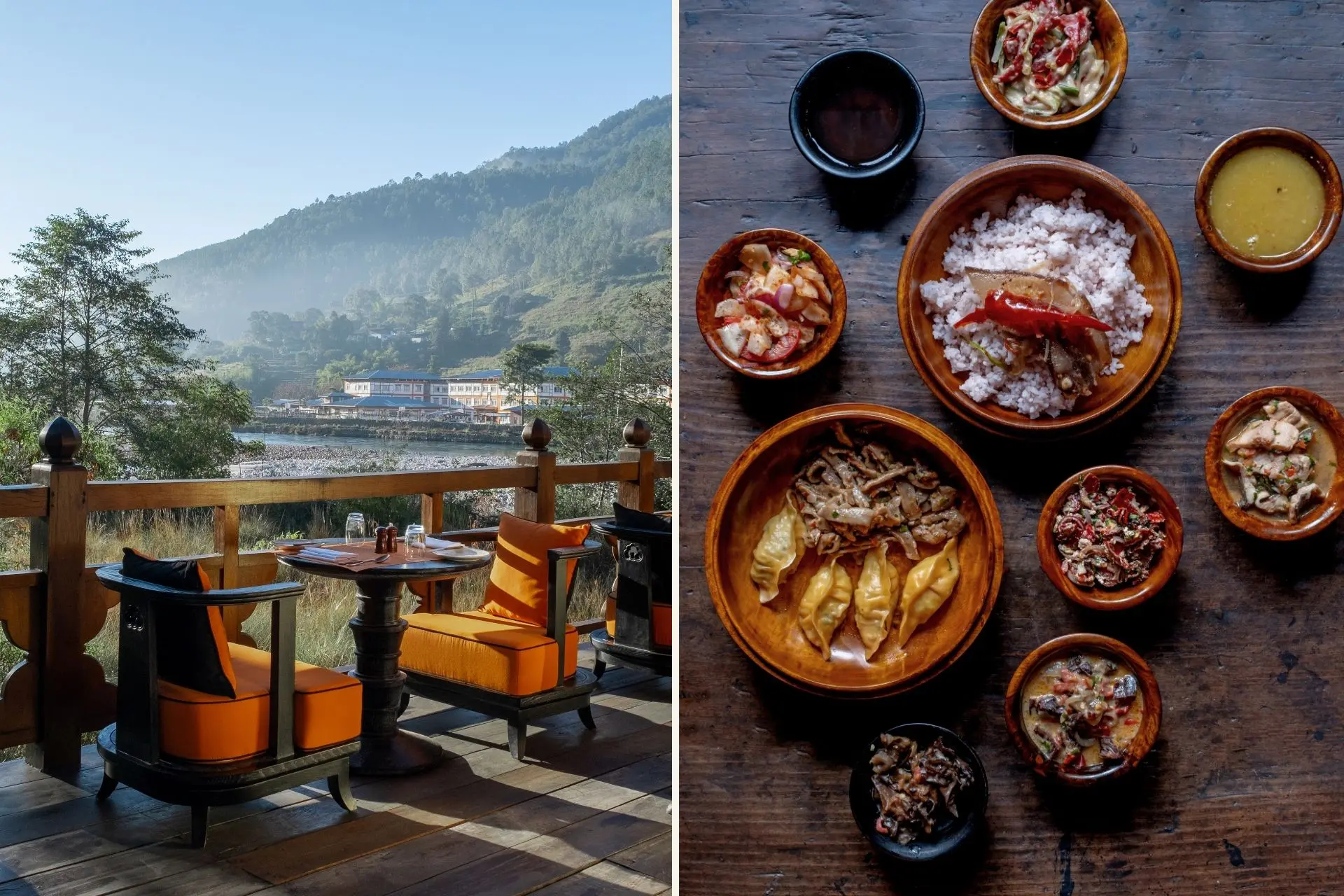
Pemako Punakha
Filled with minced pork, chicken or beef – even yak meat – and seasoned with onion, garlic, ginger, coriander and a touch of chilli, the delicious dumplings originated in Tibet many centuries ago and spread across the Himalayas via trade routes. Vegetarian options, such as mushroom and cheese, are also popular. In Bhutan momos tend to be served with a generous helping of ezay (chilli paste), and are a must-try culinary delight.
Curious to learn how they are made, I signed up for a private cookery class at a homestay.
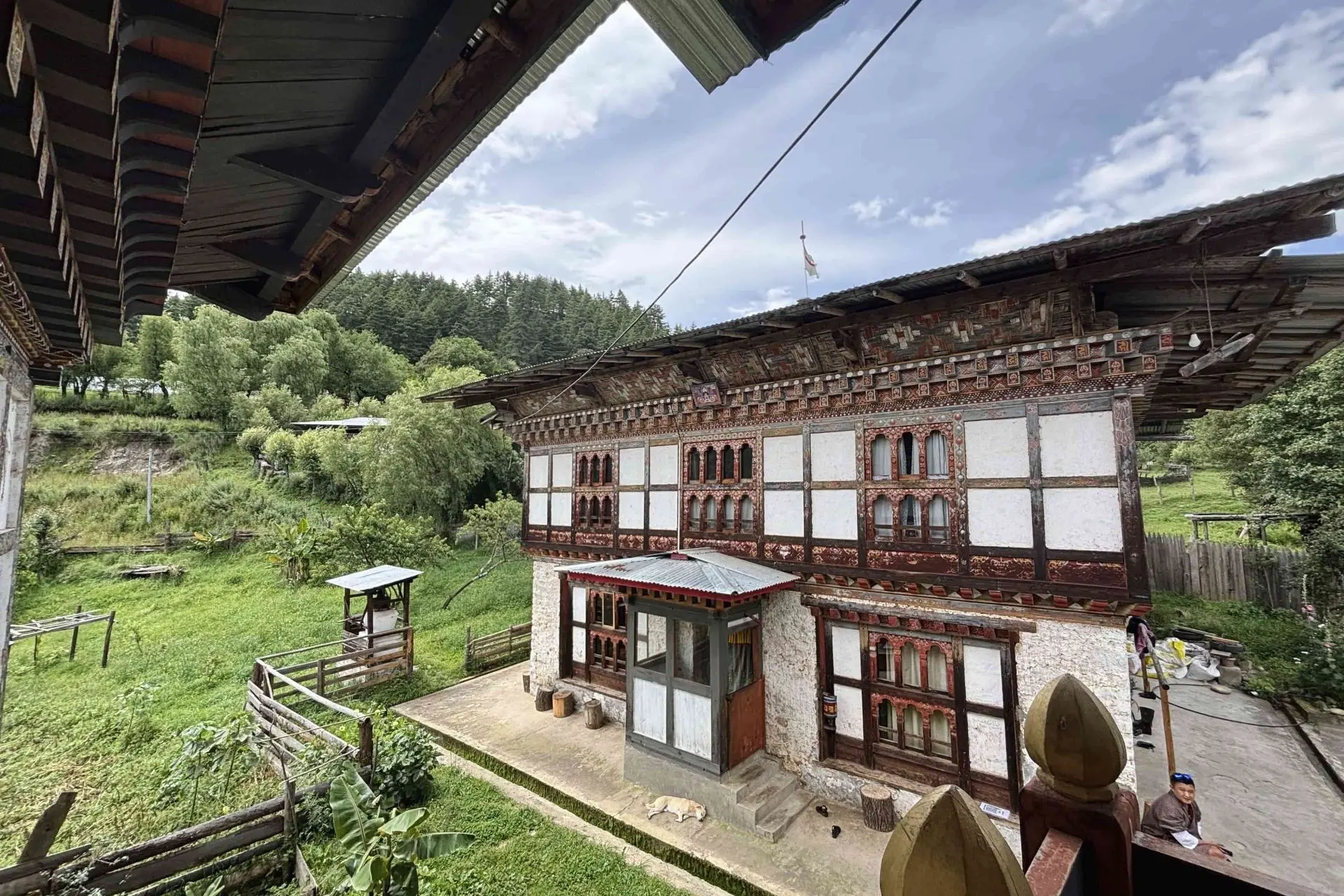
Making ‘Momos’ in a Bumthang Homestay
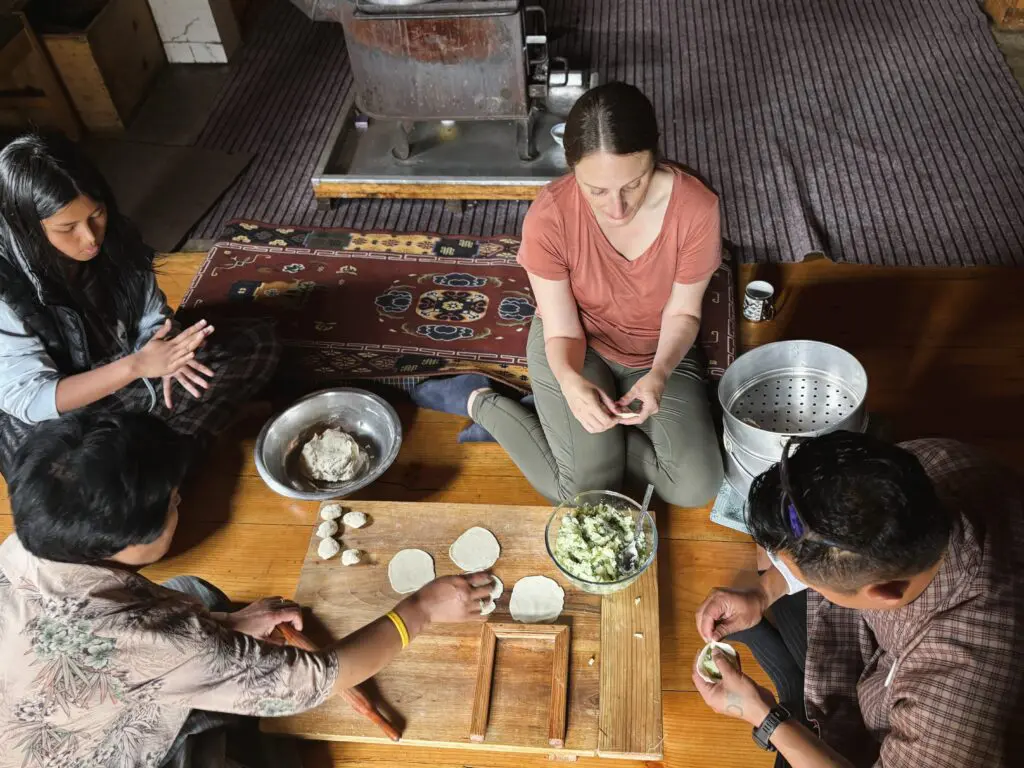
Surrounded by buckwheat and potato fields, apple orchards and lush woodland, Ugyen Lhamo Homestay in Dorjibee village is a traditional farmhouse nestled in Bumthang valley, the spiritual and cultural heartland of central Bhutan. On my arrival I am warmly welcomed by Aum Ugyen, her mother and grand-daughter, and ushered into the homely kitchen. The friendly women speak limited English, and I only know a couple of words in Dzongkha, but with the help of my excellent guide Ugyen Sonam we understand each other perfectly. Besides, food is a universal language.
Aum Ugyen is an excellent cook and loves making Bumthap specialties such as khulay (buckwheat pancakes) and the national dish, ema datshi, a spicy and creamy stew made from hot chilli peppers (ema) and local cheese (datshi), mixed with butter, garlic and onions and served with rice. I’m not quite as skilled in the kitchen, but happily get stuck into peeling and chopping potatoes and herbs.
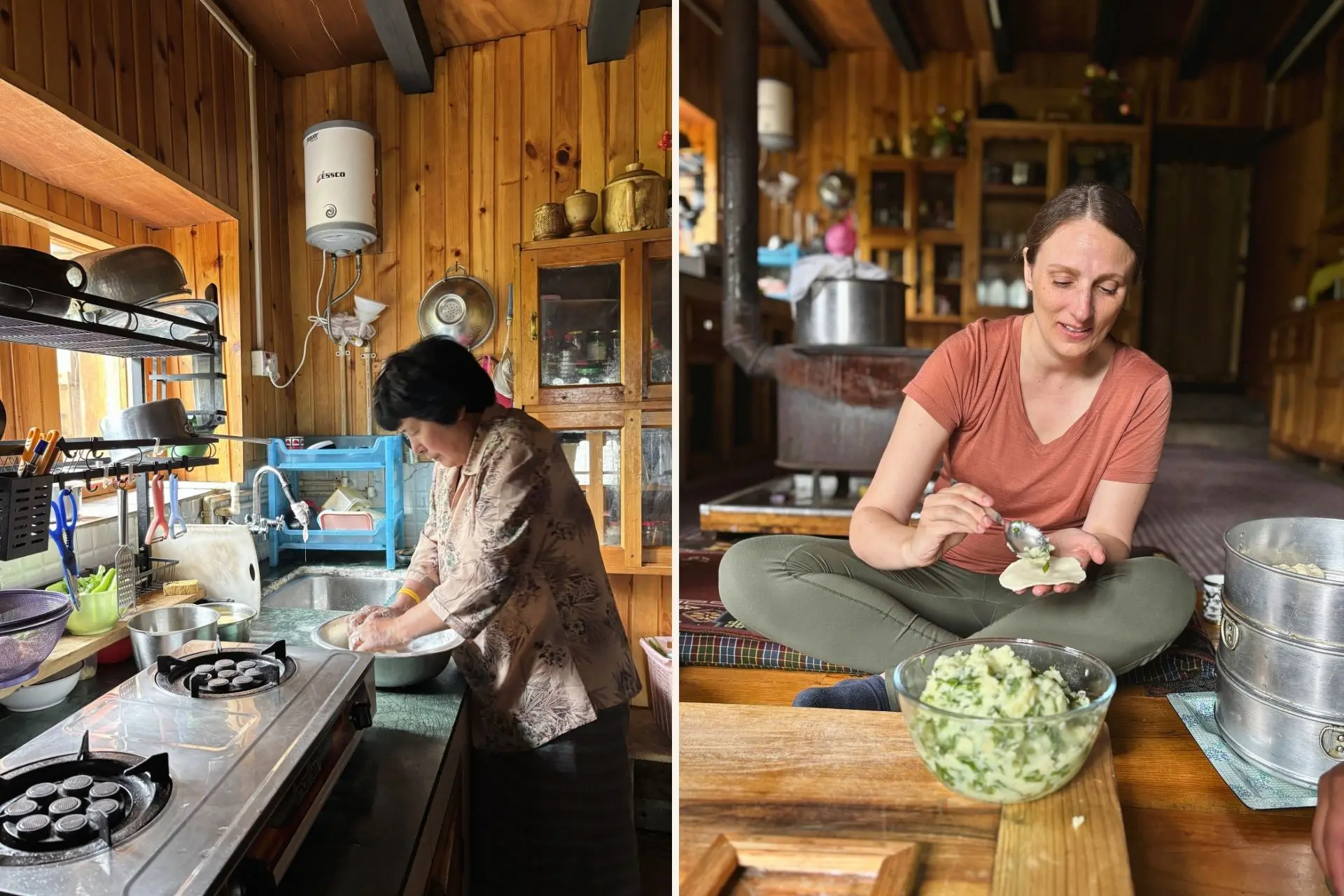
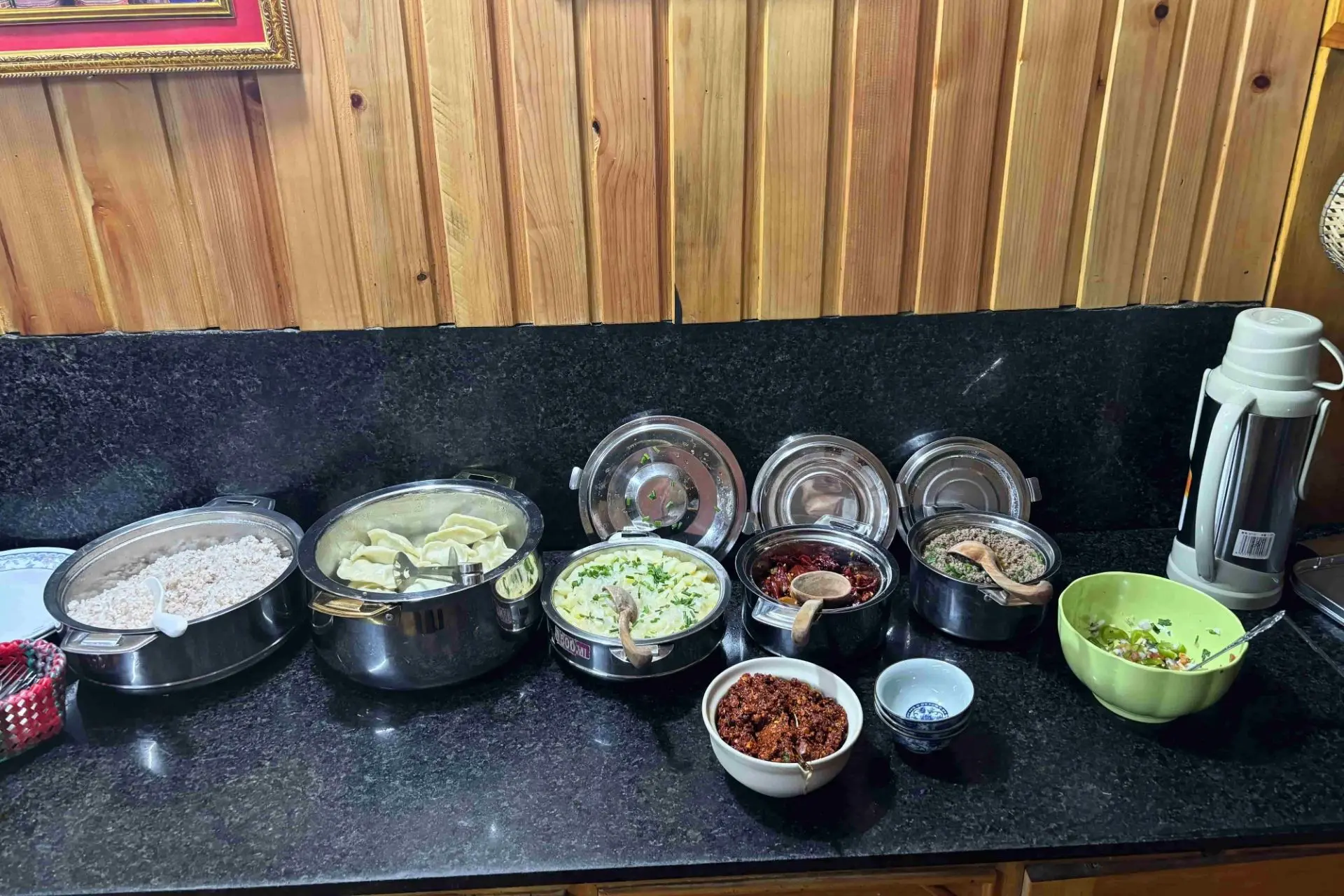
With bowls full of fragrant potato filling, we begin the straightforward-looking job of stuffing it into palm-sized wheat dough sheets and shaping them into dumplings. It looks simple, but requires a certain finesse. We all giggle when my momos end up looking more like half-moon-shaped mezzelune. Clearly practice makes perfect, and I’m sure I’ll be trying to recreate the dish at home as a tasty reminder of an incredible trip.
As we tuck into not just the freshly steamed dumplings, but a buffet of equally moreish stews and salads, Aum Ugyen tells me about her life on the farm, which sounds pretty busy despite seeming so serene.
Experiencing Everyday Life in Bumthang
In addition to hosting guests from near and far, caring for her animals and working in the fields, she also holds workshops at the local weaving centre.
Bumthang is renowned for its traditional textiles, mathra and yathra, warming wool fabrics in vibrant plaid patterns that are made into clothing, rugs, table runners and blankets. The colourful creations are made dyeing sheep wool with plants foraged from the forest, which Aum Ugyen boils in big pots in which she soaks the yarn. It’s fascinating to learn how much work goes into it. Some of her beautiful handicrafts adorn the cosy guest accommodation, twin and double bedrooms with fluffy rugs on the floor and comfortable beds draped in brightly coloured bedspreads.
As I bid Aum Ugyen and her family farewell, I feel privileged to have spent a few hours in their company enjoying heartfelt hospitality and getting a glimpse of daily life in a Bhutanese village. Visiting a traditional homestay is a truly unique and immersive cultural experience that I would highly recommend – especially when it involves making momos.
Explore ETG Itineraries in Bhutan
FEELING INSPIRED TO GO?
Explore our ETG Bhutan trips, then talk to our specialists.
Feel free to get in touch or call us.