


Long Haul Flights with Kids: How to Make It Easy (Even with Teens)
Long haul flights with kids made easier, from sleep and seating to entertainment, snacks and travelling with teens.

By Alice Bayly, Head of Sustainable Travel and Family Product at ETG.
Long haul flights with kids can feel like a hurdle at the very start of a holiday. We’ve travelled these routes ourselves, with children of all ages, and with the right preparation, family holidays in Asia are far easier – and often far calmer – than you might expect.
Whether you’re travelling with younger children or teenagers, a few practical decisions around comfort, sleep and entertainment make all the difference.
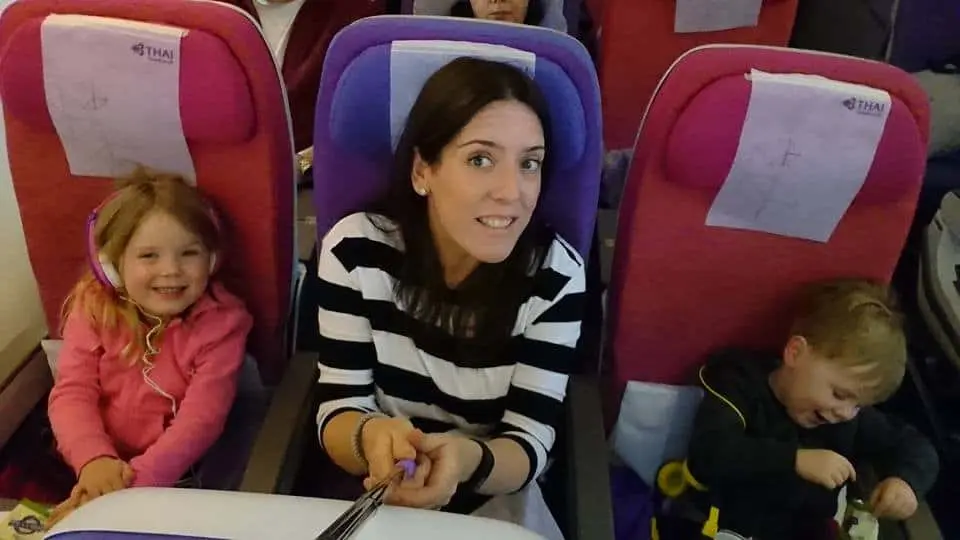
We’ve done this ourselves, long haul flights with children are rarely perfect, but they can be far easier with the right preparation.
Before you fly: setting yourself up well
Pack snacks (and more than you think you’ll need)
This is one of those things you only get wrong once.
Even on excellent airlines, meal timings rarely match when children are actually hungry, particularly on overnight flights. Breakfast might be served hours before landing while everyone is asleep, which isn’t much use to anyone.
Having snacks and drinks ready for when they wake up makes a noticeable difference, especially with older children and teenagers who seem to get hungry at completely unpredictable times.
Check airport facilities before going through security
We’ve all made the mistake of heading through security too early, only to discover there’s very little on the other side.
At some airports, the better restaurants, shops and space are landside. A quick check beforehand can save you from a long wait in a fairly uninspiring departure area.
At the airport: keep things simple
Bring easy, low-effort entertainment
You don’t need to overcomplicate this.
A pack of cards, Uno, or something similarly compact works well across age groups. Even teenagers who are usually glued to their phones tend to engage when there’s nothing else going on.
For younger children, a small notebook or colouring can still help, but it’s best not to rely on it entirely.
Buy drinks after security
Still worth remembering: liquids over 100ml won’t make it through.
Buying water once you’re through security means you’re not dependent on cabin service, particularly useful during busy flights or delays.
On the flight: what really makes a difference
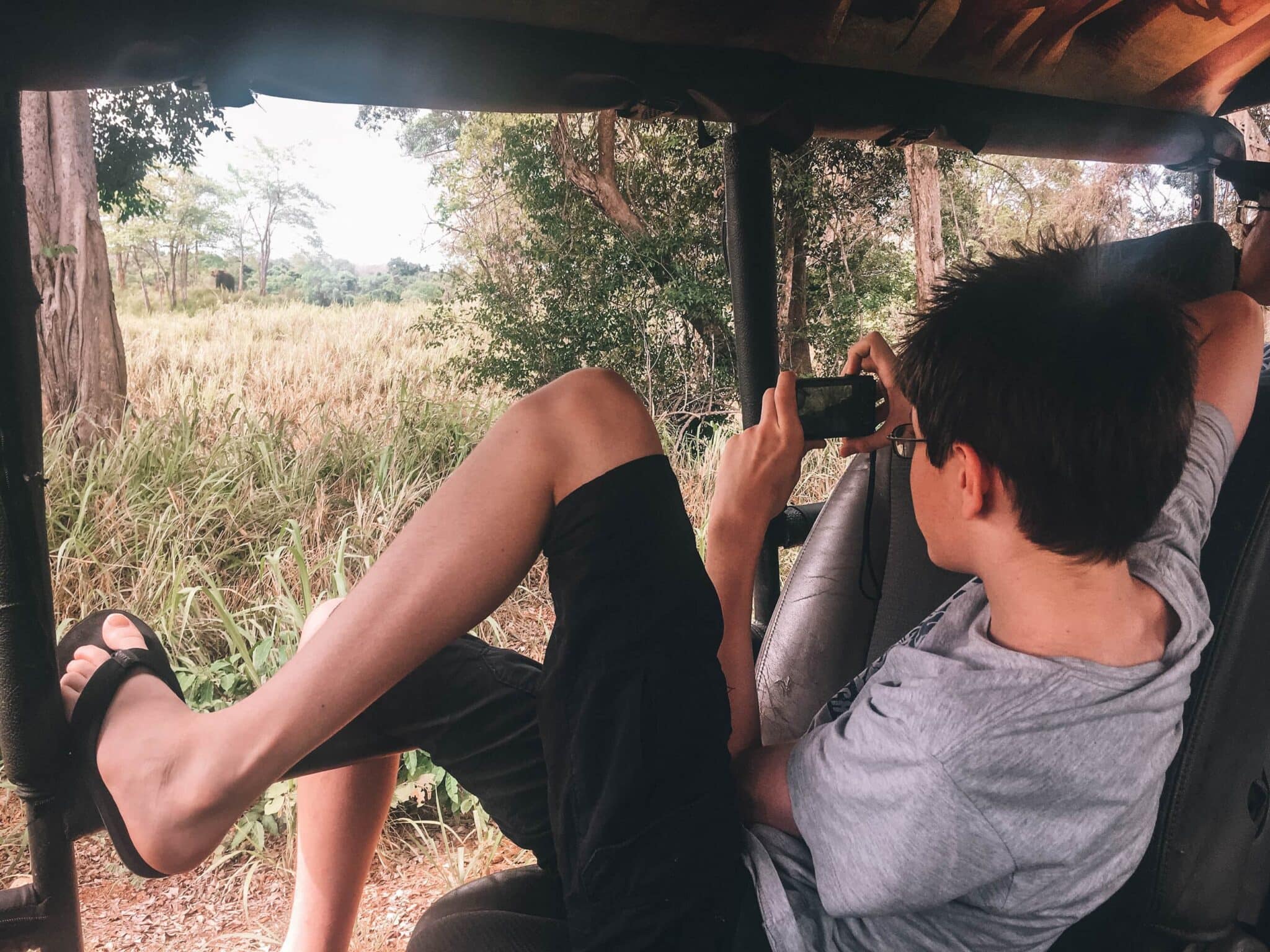
Long journeys pay off, unforgettable family moments on safari in Sri Lanka
Download your own entertainment
In-flight entertainment has improved, but it’s not something we’d ever rely on.
Before you travel:
- Download films or series
- Save playlists or audiobooks
- Bring fully charged devices and headphones
A power bank is still essential. Many aircraft now have USB ports, but they’re not always reliable, and it’s frustrating to run out of battery halfway through a flight.
Noise-cancelling headphones are also worth it, particularly for overnight journeys.
Think about seating strategy
Seating makes more of a difference than you might expect.
- Window seats are better for sleep
- Aisle seats give more flexibility
- Older children and teens can often sit independently nearby
For longer journeys, even small details like proximity to toilets or avoiding high-traffic areas can improve comfort.
Plan for sleep
Sleep is often what determines whether a long-haul flight feels manageable or exhausting.
For older children and teenagers, keeping things simple helps:
- Follow destination time where possible
- Change into comfortable clothes
- Use an eye mask or headphones
Even a few hours of proper rest can make a big difference when you land.
Dress for changing cabin temperatures
Cabin temperatures can vary a lot during a flight.
Layering works best. Something warm for when the cabin cools down, and something lighter for arrival. Comfortable clothes or sleepwear also help signal that it’s time to rest, particularly on night flights.
Travelling with older children and teens

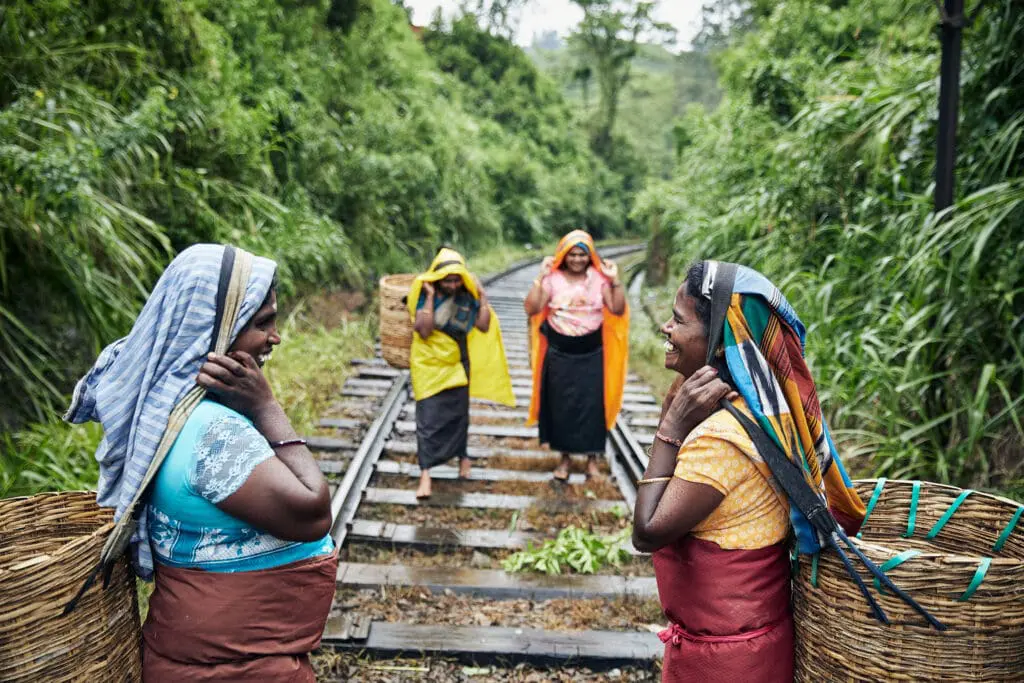
Exploring Sri Lanka together, where long haul travel turns into shared experiences
Older children usually cope well physically with long-haul flights. The challenge is more about boredom than anything else.
What tends to work:
- Letting them take ownership of their entertainment
- Giving them some independence over their routine
- Involving them in the journey itself
We often find that when the flight is framed as part of the adventure, rather than something to get through, the whole experience shifts for everyone.
Medication, allergies and being prepared
This is something we’re always particularly careful about when planning family trips.
If anyone in your family has a medical condition or allergy, it’s important to let us know as early as possible. That way, we can brief airlines, hotels and guides in advance and make sure everything is properly considered throughout the journey.
Preparation is essential when travelling long haul. Always:
- Carry medication in your hand luggage
- Bring more than you think you’ll need
- Keep it easily accessible, not packed away
For severe allergies, this becomes even more important.
If you use an epinephrine auto-injector (EpiPen), it’s important to travel with at least two. While you hope they’re never needed, having a spare can be critical. It’s also worth:
- Informing the airline in advance
- Checking food policies and options
- Carrying a simple explanation of the allergy when travelling internationally
A small amount of planning here makes a big difference to how confidently you can travel.
A final thought
Long haul travel with children isn’t always effortless, but it doesn’t have to be stressful either.
With a bit of preparation and the right mindset, it becomes simply the first part of the journey. Not something to endure, but something that sets the tone for the trip ahead.
FEELING INSPIRED TO GO ON HOLIDAY WITH YOUR FAMILY?
Please get in touch on 0207 924 7133.
Alternatively, fill out an online enquiry form to start your journey.
Sample itinerary ideas for families





You may also like