

Mekong River Cruises: What They’re Really Like (Worth It?)
Not everyone steps onto a Mekong river cruise convinced it’s the right way to travel. This guide cuts through the brochure version to show what it’s actually like, and where it fits best in a wider journey.

A Mekong river cruise tends to sell itself in a very particular way. Slow travel, drifting through the palm-lined waterways of Cambodia and Vietnam, watching life unfold along the banks. And to be fair, parts of it do feel like that.
But if you’re trying to work out whether a Mekong cruise is actually worth it, it’s more useful to understand what the experience is really like day to day, and how it fits into a wider trip. Because it’s not quite the languid, do-nothing journey people often imagine.
What a Mekong River Cruise Is Actually Like Day to Day
The first thing that catches people off guard is the pace. Days usually start early, with a morning excursion, a break for lunch back on the boat, then another outing in the afternoon. By the time dinner comes around, you’ve had a fairly full day.
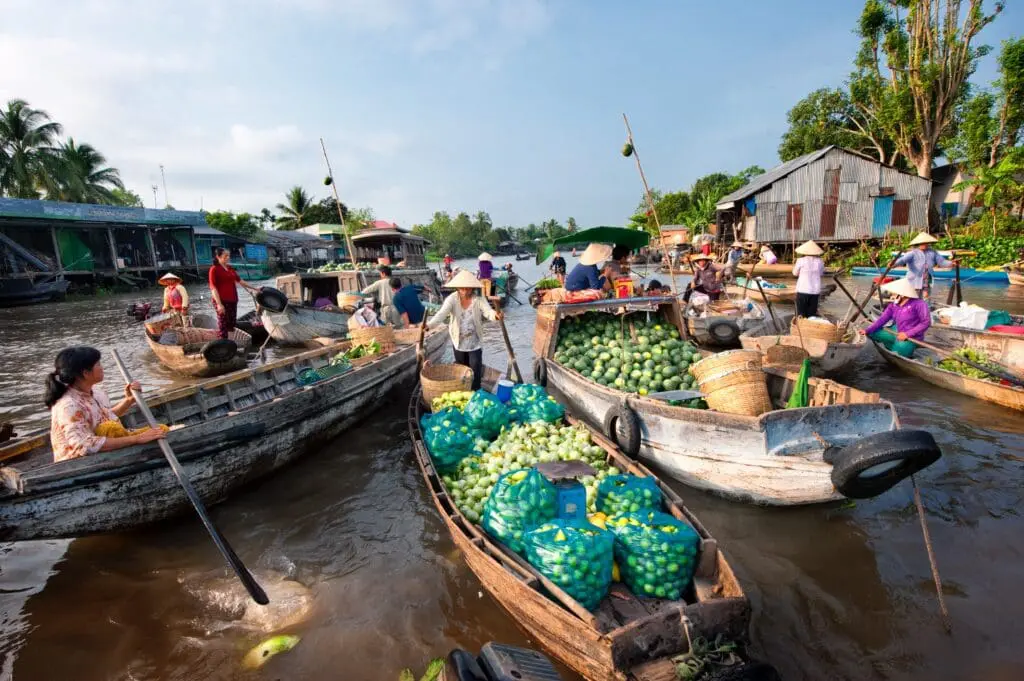
That structure exists for a reason. The Mekong itself is interesting, but what really brings the journey to life is what you step off to see. Floating markets, small workshops, bird sanctuaries, and villages that still operate in rhythm with the river. You’re not just watching from the deck; you’re regularly heading out into it.
For some travellers, that works extremely well. You see a lot without having to think about logistics, and the days have a clear rhythm. For others, the fixed schedule starts to feel a little limiting after a while, particularly if you’re used to travelling at your own pace.
The excursions: varied, but still shared
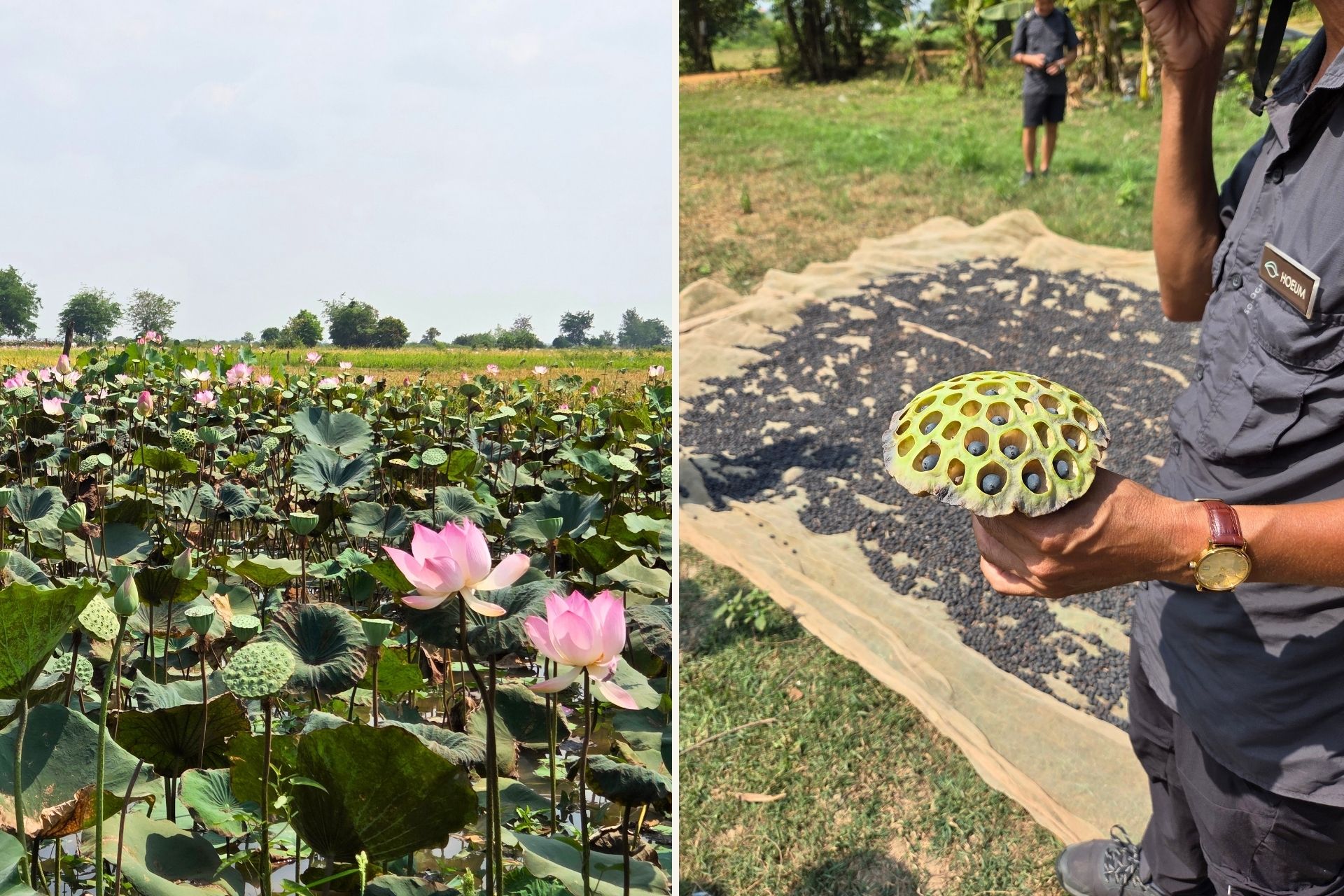
Over the course of a few days, the variety is genuinely good. You might move from a sampan ride through narrow canals to a cycling trip through villages, then on to a visit to a floating market or a small-scale local industry. There’s often a choice between something more active and something more relaxed, which helps balance things.
The guiding is usually strong as well. You’re not just being shown things; you can ask questions and get proper context if you want it. But it’s still a group environment, and that shapes the experience more than people sometimes expect. You’re moving at a shared pace, and if something particularly interests you, you can’t simply decide to linger or go deeper into it.
That’s the trade-off for the ease and organisation.
The social side, which matters more than you think
Another aspect that’s easy to underestimate is how social the experience is. You’re with the same group for several days, excursions happen together, and meals are often shared. A lot of the time you’re either out on an activity or in one of the communal spaces.
If you enjoy meeting people while you travel, this can be a real positive. Conversations develop naturally over a few days, and there’s a sense of continuity that you don’t always get on a faster-moving trip. If you prefer more space and independence, it can feel quite full-on.
There isn’t a huge amount of time that feels completely your own unless you actively step away from the schedule.
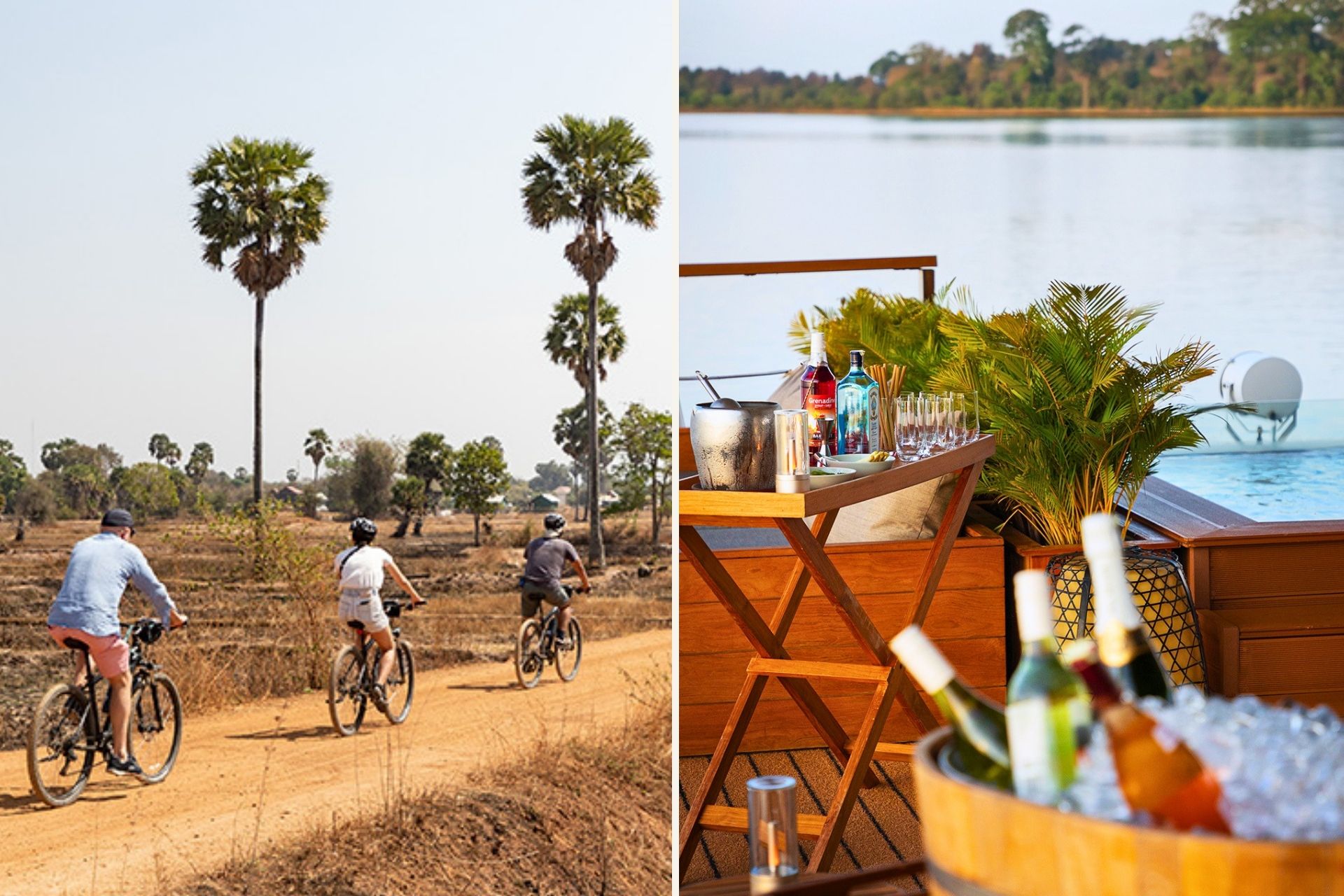
Days tend to be active, with cycling and guided visits balanced by quieter moments back on the boat.
Routes, Seasons and What Most People Don’t Realise
One practical point that’s worth being clear on is that the Mekong doesn’t behave the same way year-round. Water levels shift between the dry and wet seasons, and in some periods certain stretches aren’t navigable. That can mean parts of the journey are done by road or short flights rather than entirely by river.
It doesn’t diminish the experience, but it does change it. If your expectation is a continuous, uninterrupted river journey, it’s important to check exactly what’s possible at the time you’re travelling.
What the Boats Are Actually Like
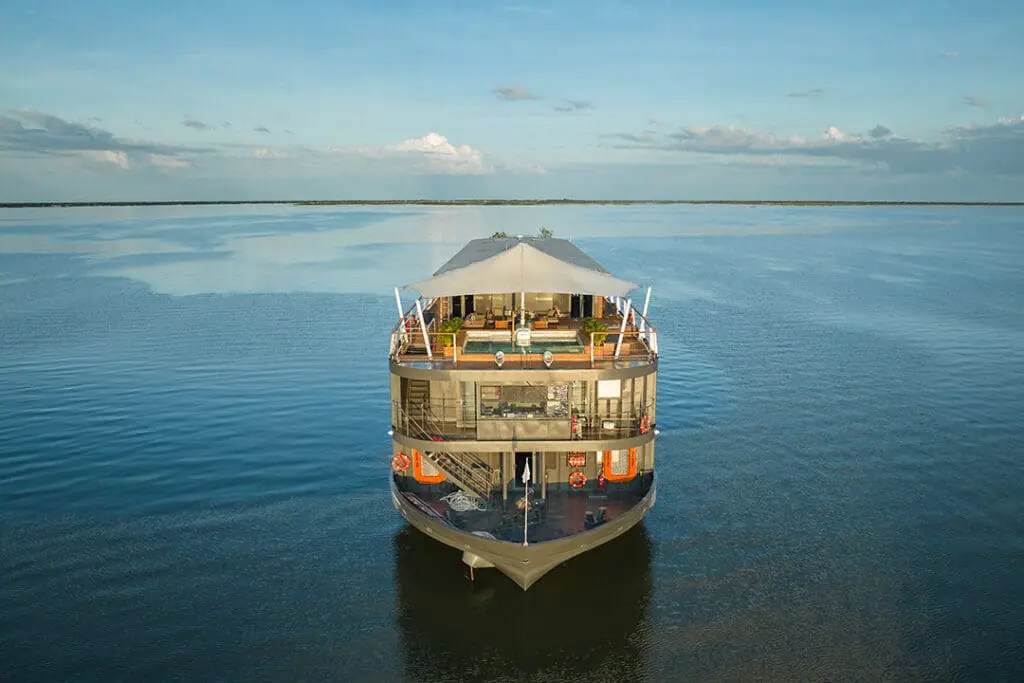
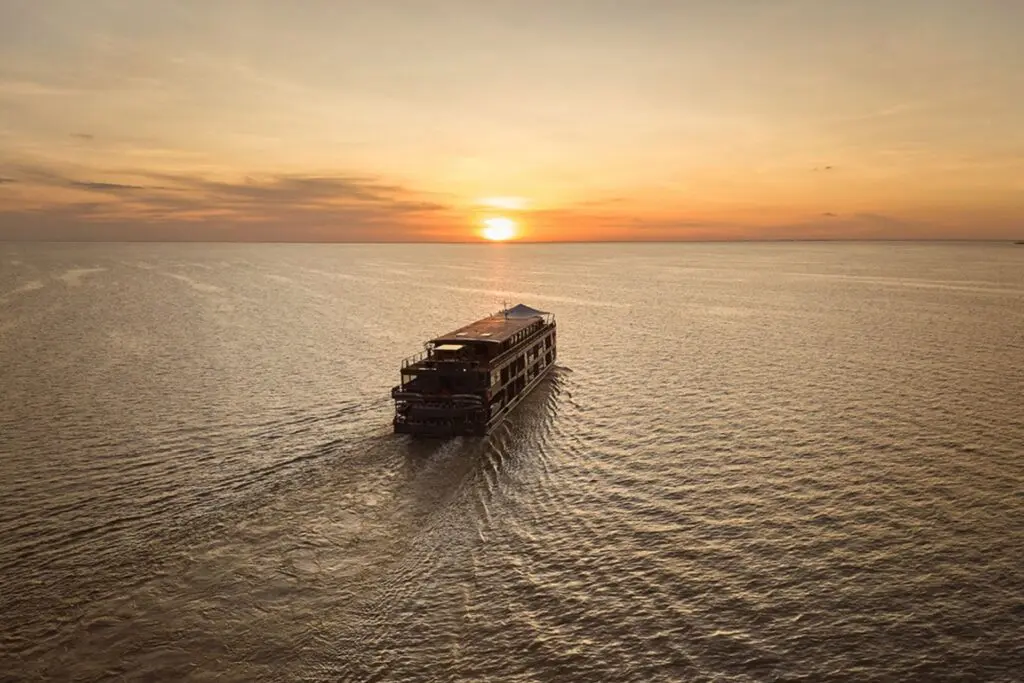
At the higher end, the boats are impressive. The Aqua Mekong, for example, is one of the best on the river. It’s relatively small, with around 20 cabins, and feels closer to a boutique hotel than a traditional cruise ship. The communal areas are well designed, there’s space to relax between excursions, and the overall experience is very well run.
Cabins are comfortable, though fairly consistent in layout, and most people find they spend more time in the shared spaces than in their room. The experience is really built around what happens off the boat rather than in it. Cruise-sceptic Jamie Owen recently wrote a blog about his river cruise experience in Cambodia.
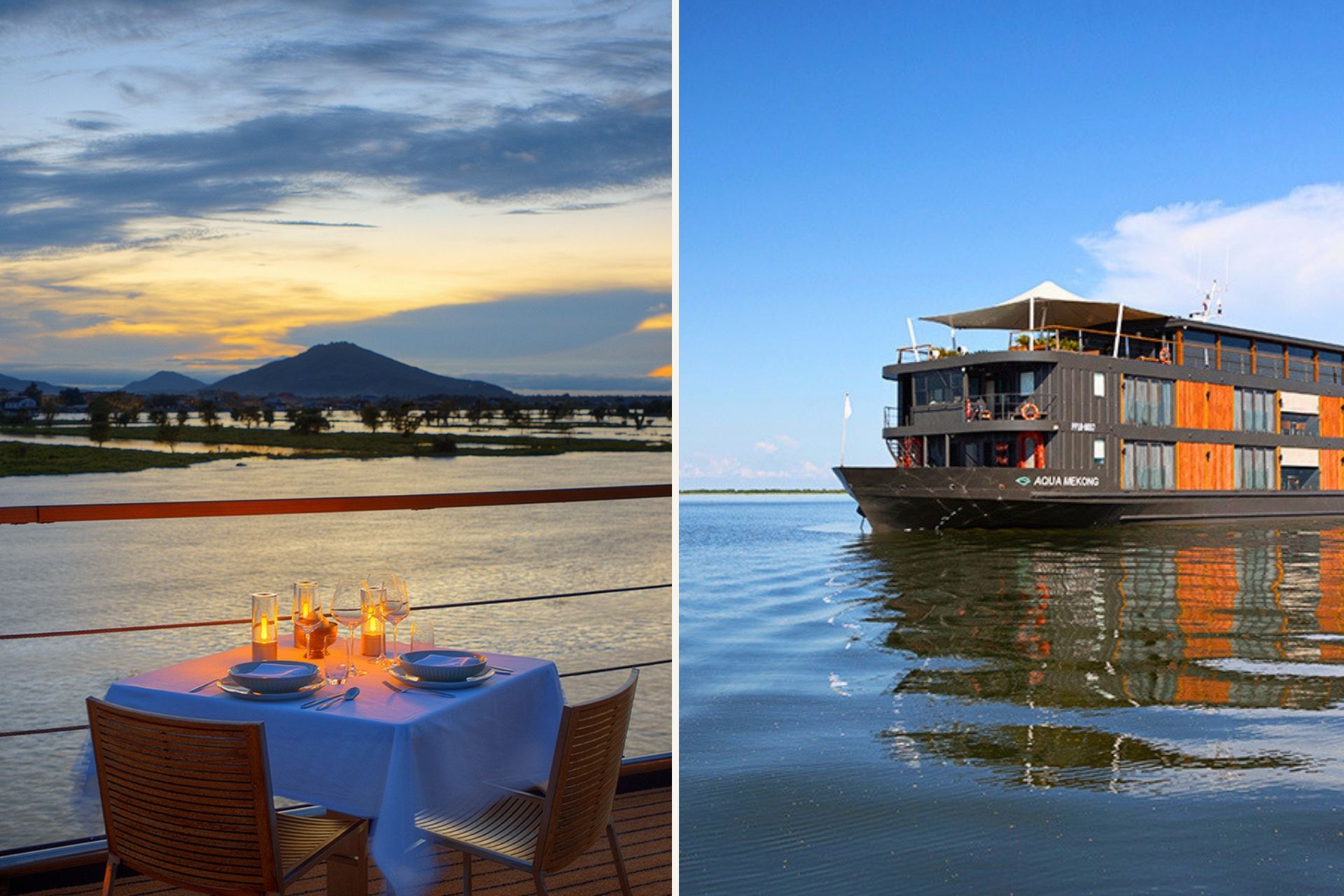
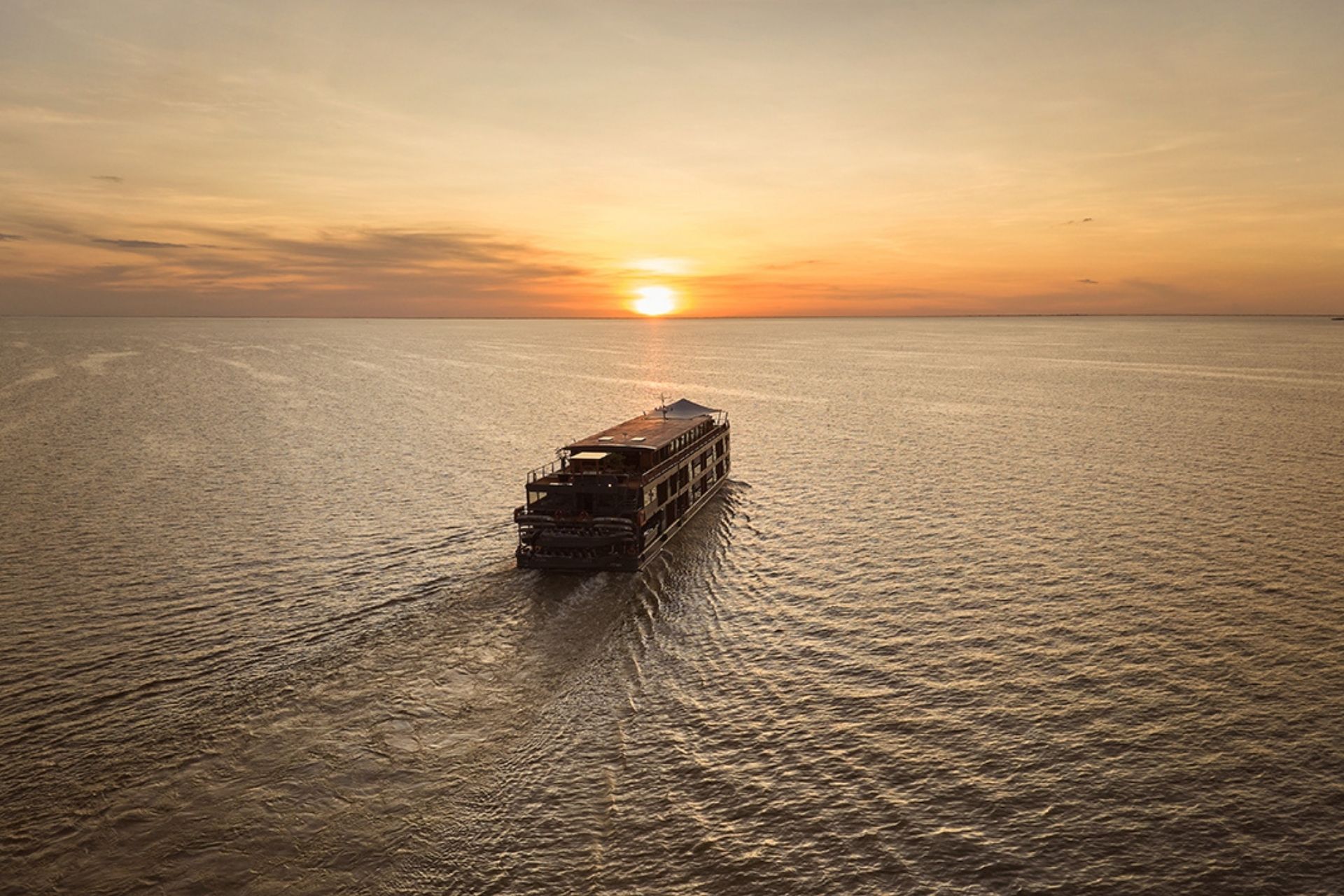
Evenings on board the Aqua Mekong are relaxed, with time to unwind after a full day of excursions along the river.
When a Mekong cruise works well
A Mekong cruise tends to suit travellers who like the idea of seeing a lot without having to organise it themselves. If you’re happy with a structured few days, enjoy a sociable atmosphere, and want a relatively easy way to move between Vietnam and Cambodia, it can work very well.
Where it becomes more interesting, though, is not in isolation but as part of a wider journey.
How a Mekong Cruise Fits Into a Proper Trip
On its own, a Mekong cruise can feel a little self-contained. You get a curated window into the region, but always through the same format. Where it really comes into its own is when it’s one part of a broader itinerary, where each stage shows you something different in a different way.
A good example is this journey:
https://www.experiencetravelgroup.com/itinerary/luxury-river-adventure-on-the-mekong
Rather than building everything around the cruise, it uses it as a transition between contrasting experiences.
You begin in Ho Chi Minh City, getting under the skin of the place with a guide who takes you beyond the obvious highlights. Markets, backstreets, food stalls, and the layered history of the city all come into play before you’ve even reached the river.
From there, you board the Aqua Mekong and spend a few days moving through the delta. Now the pace shifts. The structure makes sense because it’s focused on the river and the communities along it, and you start to see how life changes as you move towards Cambodia.
Arriving in Phnom Penh brings another shift. You’re back on land, with the space to understand the country properly, including its recent history, which needs time and context to make sense of.
Then on to Siem Reap and Angkor, where careful pacing makes all the difference. We avoid the standard rushed circuits and build visits around quieter times and a bit more breathing space, so it doesn’t feel like a checklist .
Finally, the trip ends somewhere completely different, on Song Saa private island, where the structure falls away entirely. After a fairly full journey, having a few days with no schedule at all becomes part of the design rather than just an add-on.
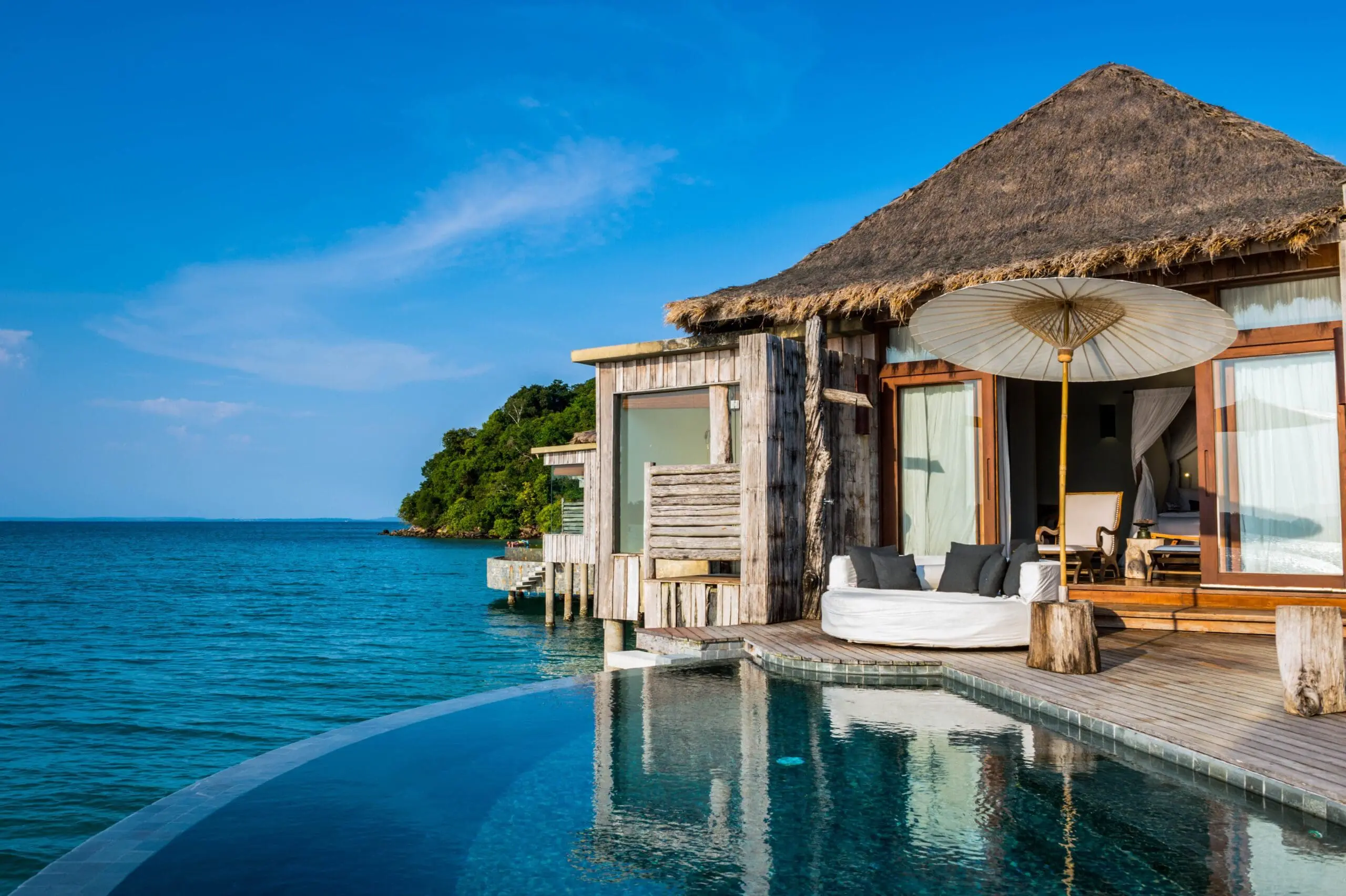
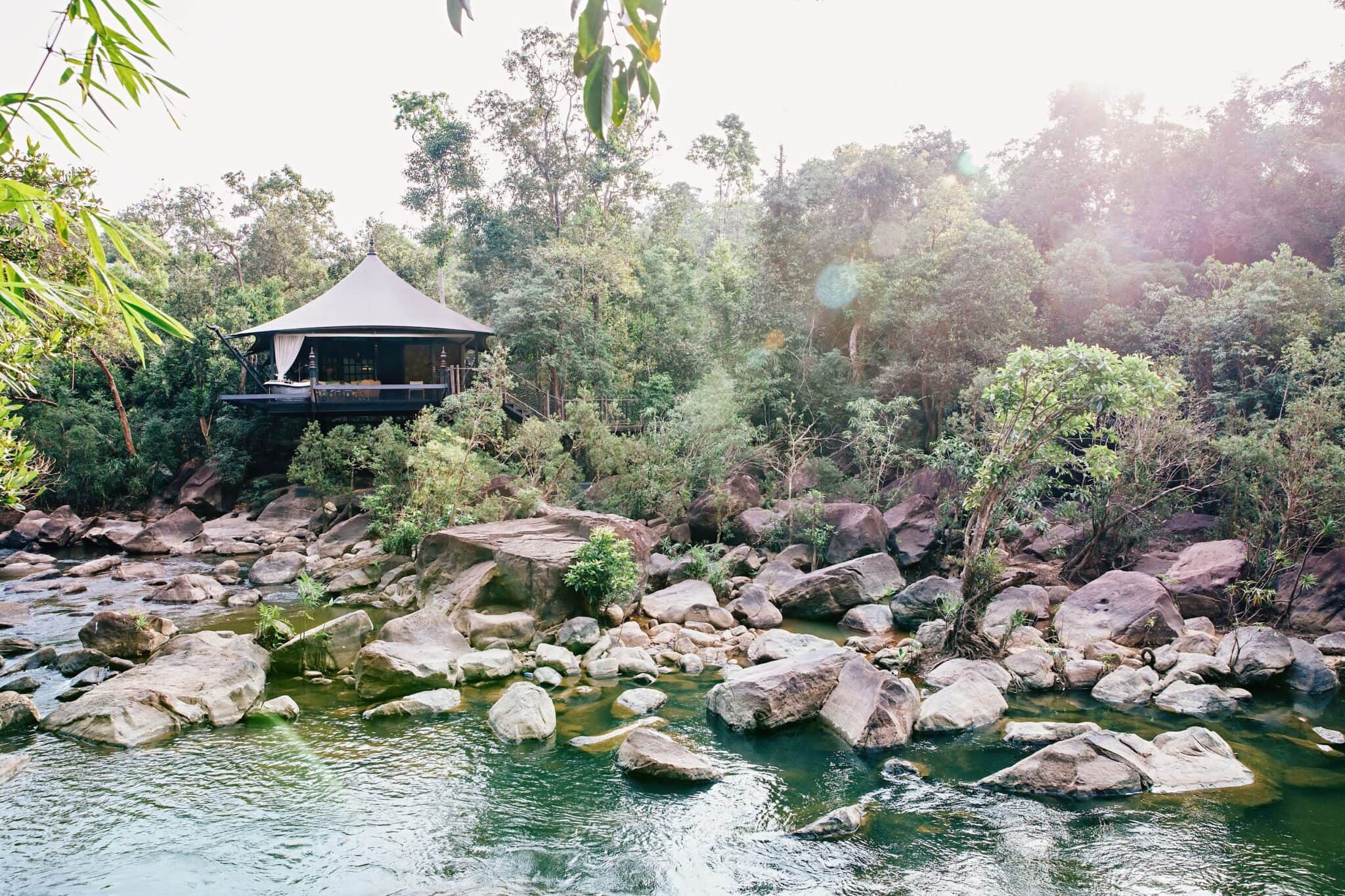
After the structure of the river journey, Song Saa offers complete contrast with space, privacy, and no fixed schedule.
Why this combination works
It’s not about doing more, but about changing the pace and perspective as you go. The city gives you energy and context, the cruise offers a structured window into the river, Cambodia on land adds depth, and the coast gives you space to slow down properly at the end.
Each part does something the others can’t.
So, is a Mekong river cruise worth it?
It can be, but only if it matches how you like to travel. If you’re after complete flexibility and independence, it probably isn’t the best fit. If you’re happy with a few structured days and like the idea of varied, well-organised excursions, it can be a very good experience.
Where we see it working best is as part of a wider journey rather than the whole thing. That way, you get the benefits of the cruise without it defining everything around it.
If you’re weighing it up, it’s less about the boat itself and more about how you want the overall trip to feel. That’s the bit that’s worth getting right.
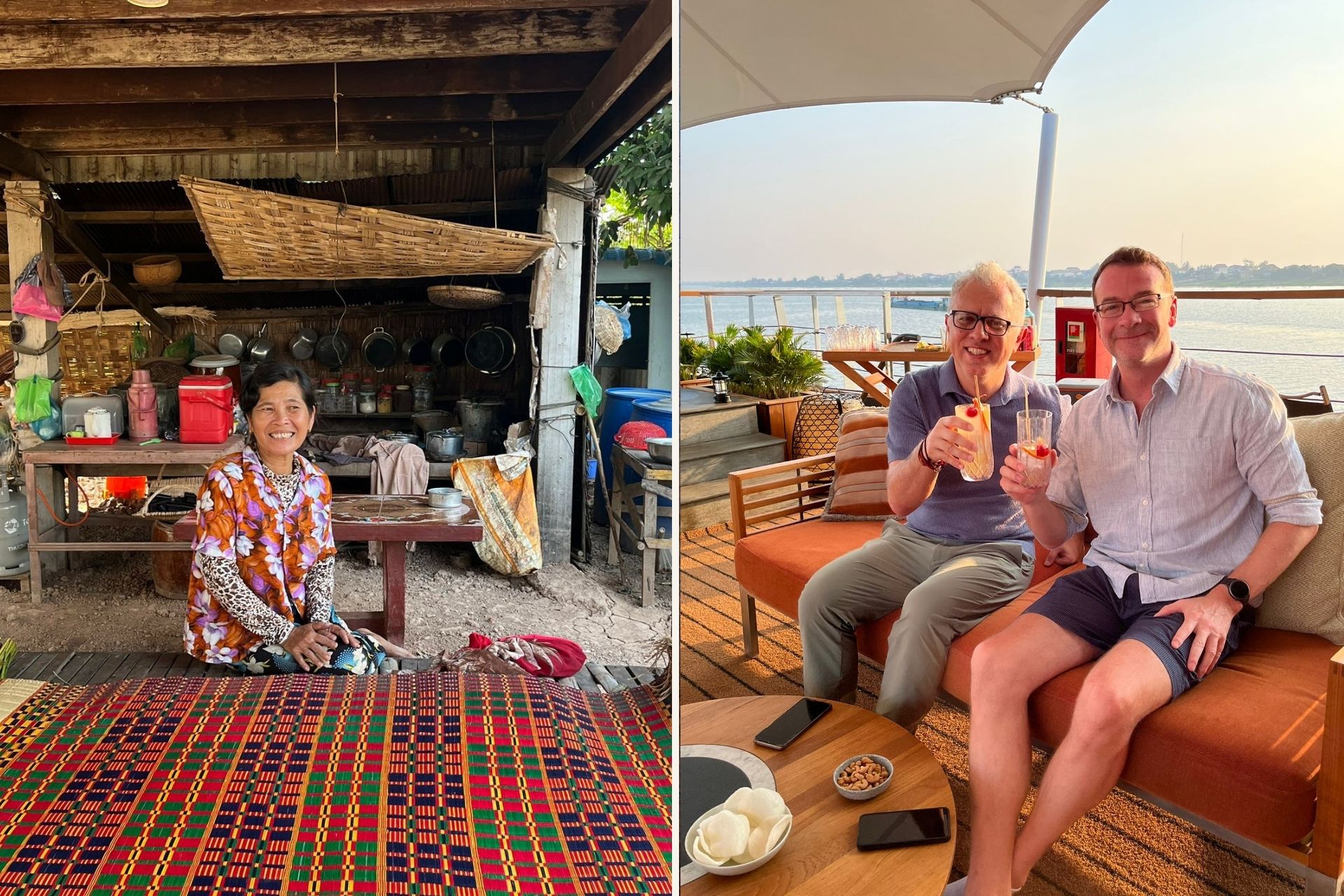
Life on the river alternates between time on board and visits to local homes, offering a more grounded view of daily life along the Mekong.
FEELING INSPIRED TO GO?
Explore our Mekong River Journeys or other ETG Cambodia trips, then talk to our specialists.
Feel free to get in touch or call us on 02079247133.
You may also like