

A Quieter Way into One of India’s Wildest Wetlands, Bhitarkanika National Park
By Experience Travel Group‘s Sara Wells after a river cruise aboard Antara Catamarans in India.
Where is Bhitarkanika National Park and what’s special about it?
Bhitarkanika is found deep within the river-woven countryside of Odisha (an eastern Indian state on the Bay of Bengal, formerly known as Orissa), where mangroves replace roads and the natural world dictates the rhythm of the day.
India’s second largest mangrove ecosystem after the Sundarbans, Bhitarkanika is one of the country’s least visited national parks: not because it lacks drama, but because it has never been easy to reach.
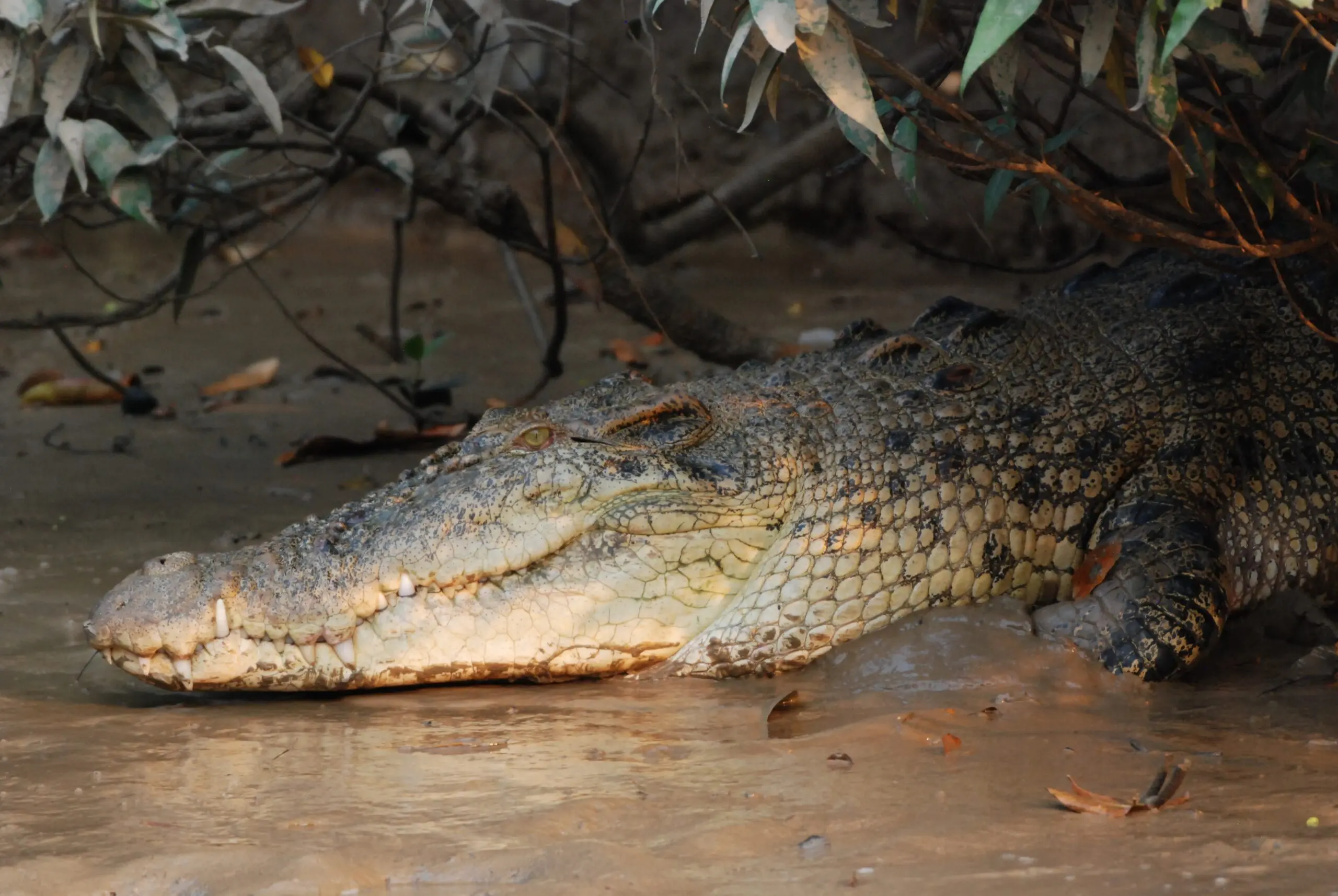
This is a place of genuine wildness: an exceptional wetland that supports an extraordinary concentration of birdlife, and one of India’s most significant habitats for saltwater crocodiles.
The Boat That Changed Everything
Until recently, exploring Bhitarkanika meant accepting certain compromises. Accommodation was limited, and most wildlife outings took place on brightly painted wooden day boats; characterful, certainly, but noisy and poorly suited to the unhirried, patient observation that proper wildlife watching requires.
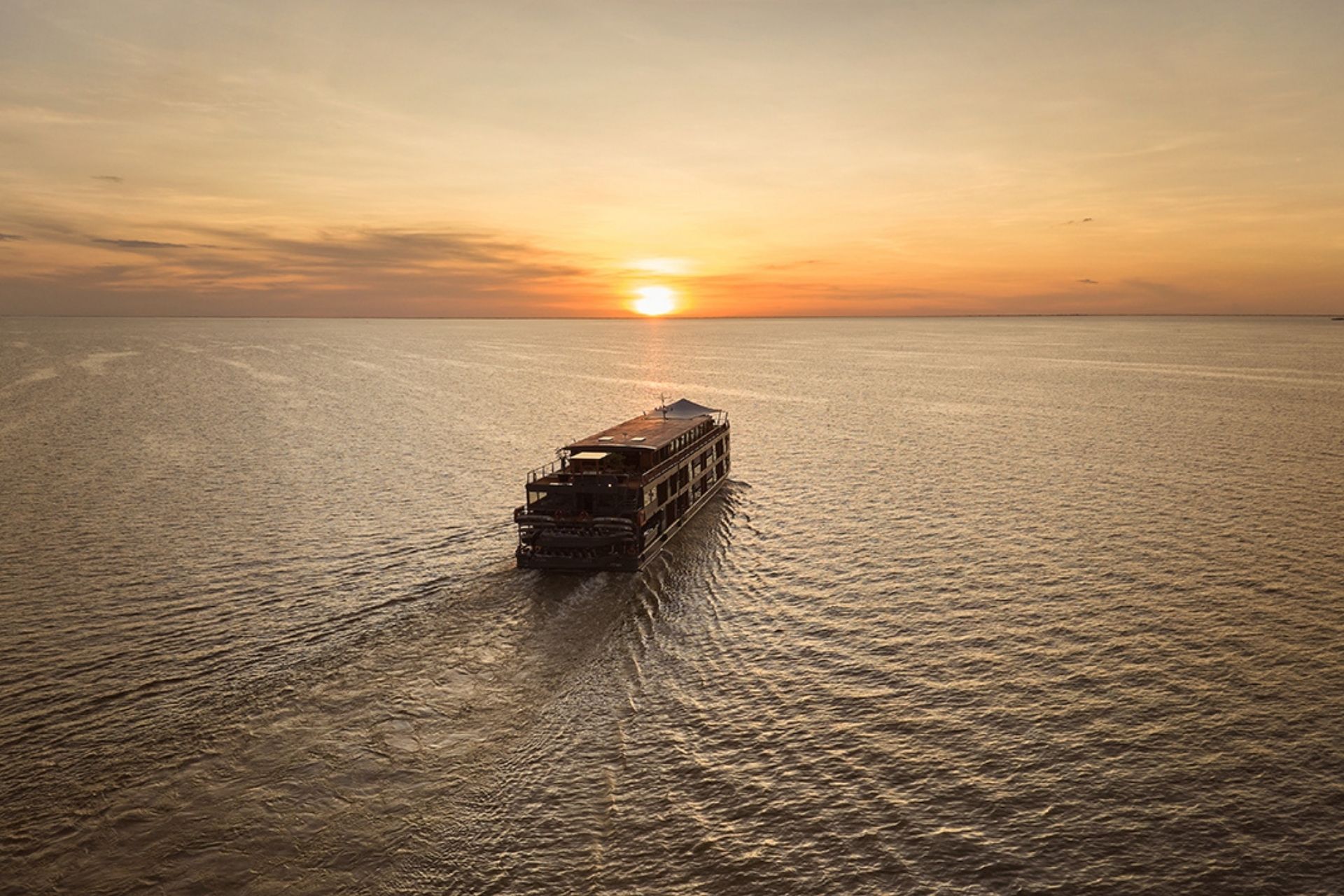
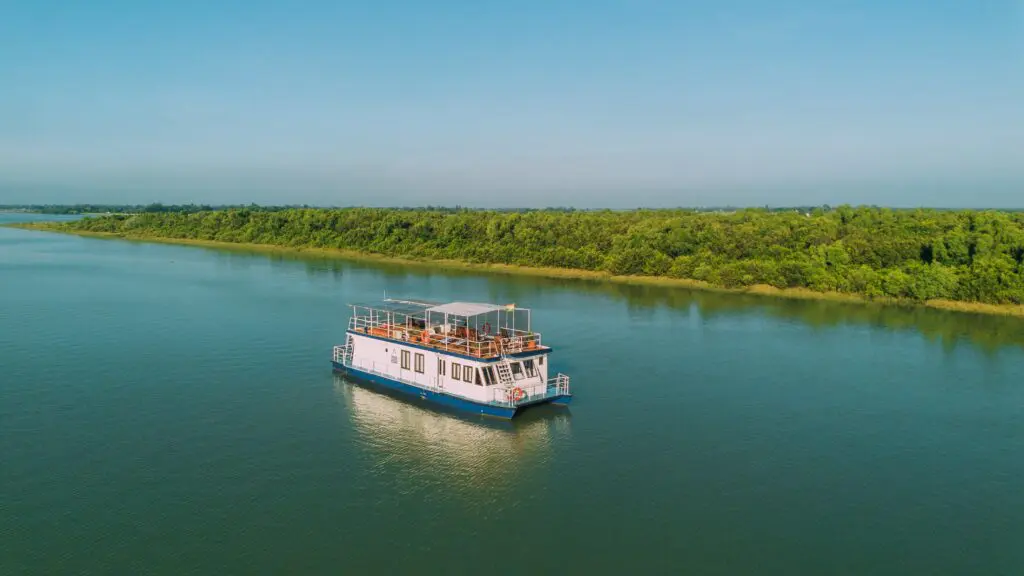
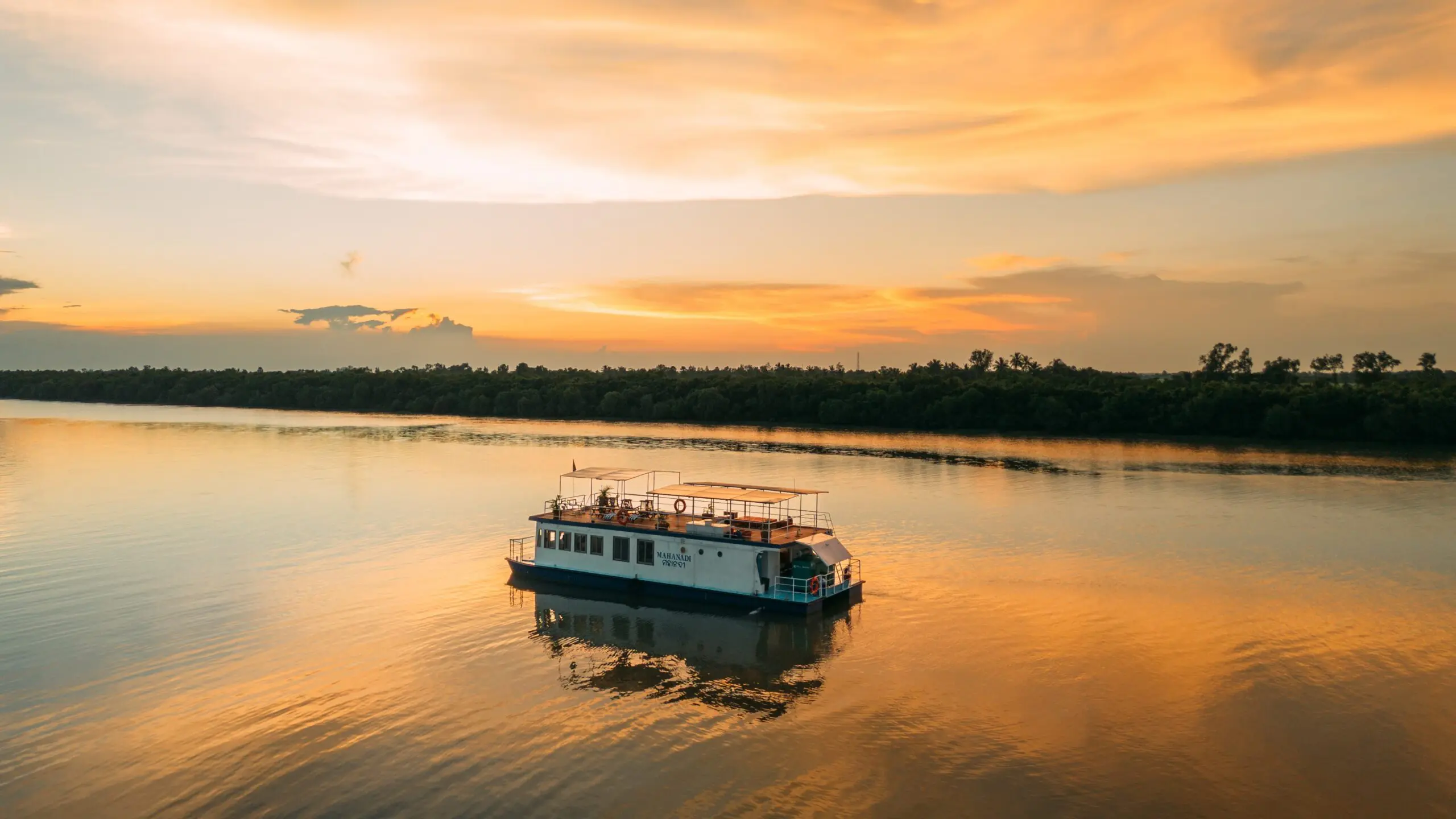
Antara River Cruises changed that in 2023. Taking over a previous project and starting afresh, Antara replaced the old fleet with a single low-impact alternative: an exclusive two-suite catamaran, discreetly crewed and designed for slow travel through the park’s waterways.
The vessel is permitted to anchor inside Bhitarkanika itself. After 4pm, when every other boat is required to leave, the park becomes profoundly still: marked by birdsong, the creak of mangrove roots, and the gradual settling of the forest into evening. Mornings offer uninterrupted access during peak wildlife hours, before the day’s activity resumes.
This sense of solitude is rare in India’s protected areas, and central to what makes the experience so compelling.
On the Water with an Eagle-Eyed Guide
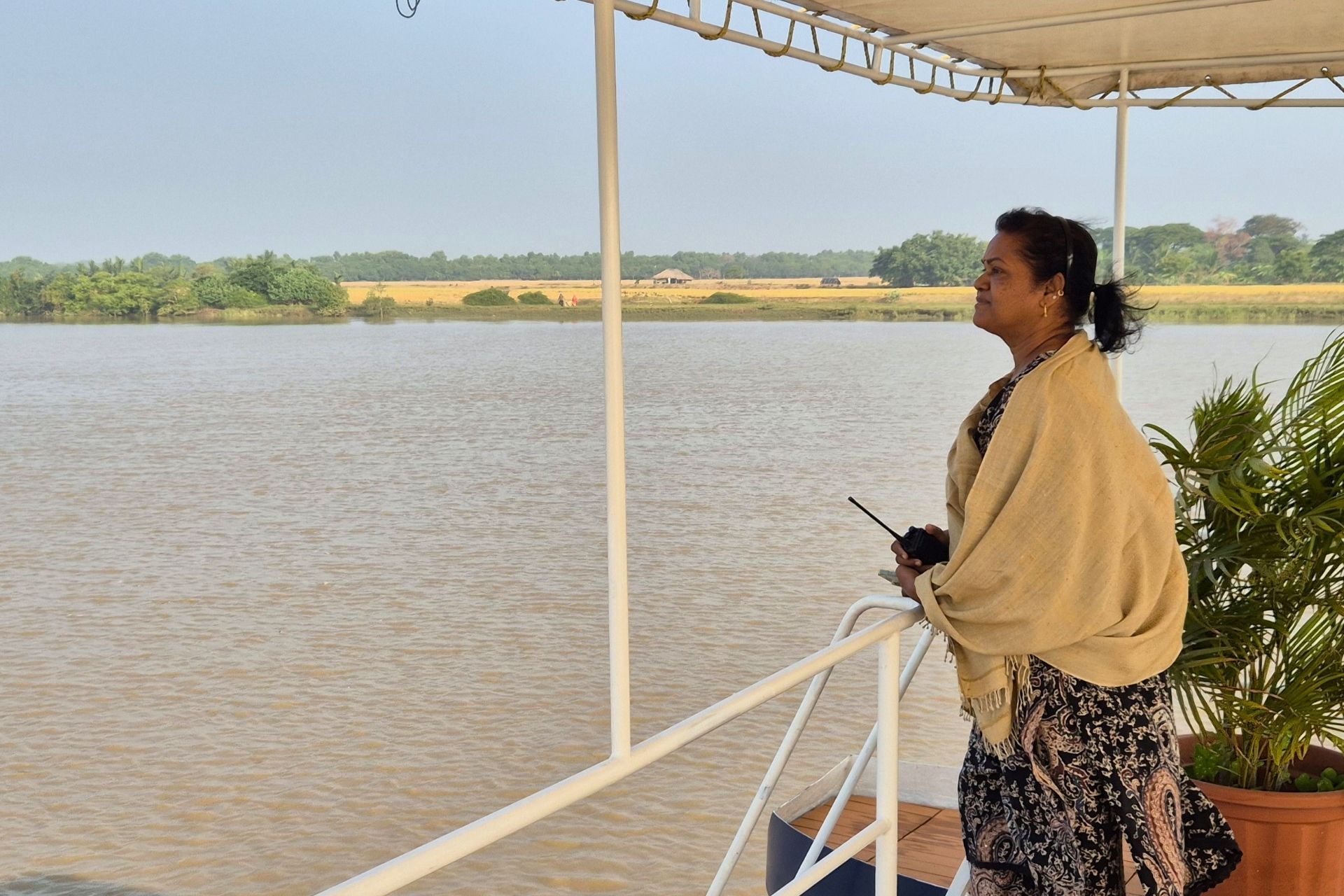
I was hosted by Sanghamistra Jena — who introduced herself warmly, “call me Mistra” — an Odishan travel veteran and one of the region’s true tourism pioneers. The first female guide here, she played a key role in introducing tourism to rural Odisha, opening the area’s earliest camp-style lodges.
From the moment I met her, I knew I was in exceptionally good company. Her approach is rooted in deep local knowledge and an unparalleled understanding of the landscape; knowledge she generously shares at every turn. Over high tea on the top deck, conversation drifted easily from wildlife behaviour to village life, taking in prawn farming, livestock lost to crocodiles, tensions with encroaching fishermen, and the realities of conservation funding, all delivered with warmth, humour, and total honesty.
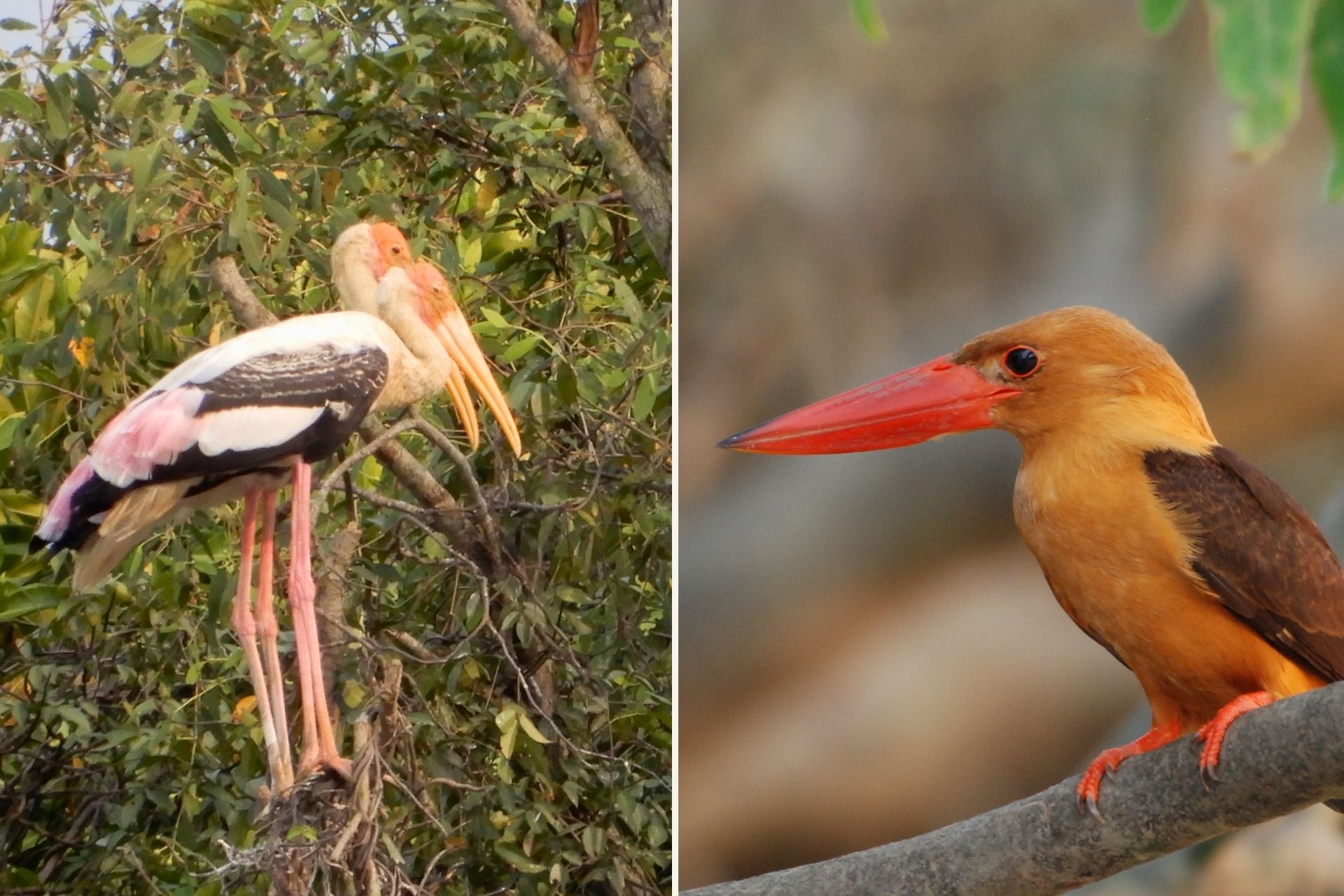
On the water, Mistra’s wildlife spotting is exceptional. Under her guidance, we trained our eyes to pick out painted storks, mangrove pittas, whistling teals, grey herons, black-crested night herons, and five of the seven species of kingfisher found in the park.
Stepping Ashore
The sailing itinerary allows time to step ashore. On a smaller tender, we set off to explore Sua Jora creek and reach an island for a gentle three-kilometre walk through dramatically different ecosystems.
Freshwater lotus ponds alive with lake birds, saltwater pools where crocodiles bask, and mangroves rising on their intricate root systems.
Two staff accompanied us on the walk, equipped with water, a first aid kit, and a working knowledge of where not to linger!
When to Visit: Timing It Right for Birdlife
October to March is the best window weather-wise, and coincides with the arrival of migratory birds from Europe and Central Asia.
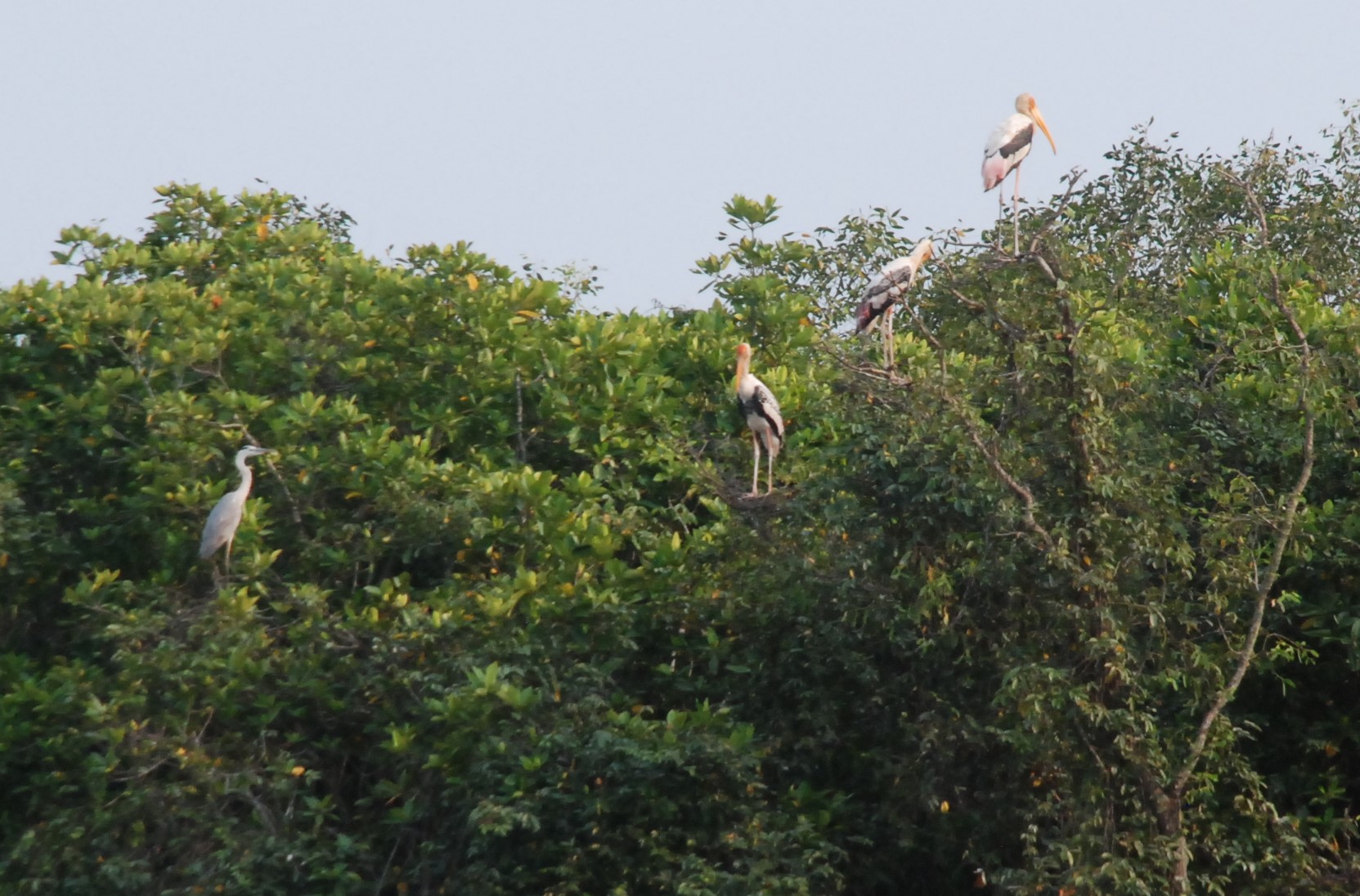
For serious birders, the most rewarding time to visit Bhitarkanika is directly after the monsoons (September to January), when hundreds of painted storks nest and hatch in platform nests built high in the trees above the water.
It’s a vivid indicator of a healthy wetland ecosystem and a sight to behold!
Extending the Journey into Rural Odisha
It’s possible to add two days exploring the surrounding countryside on to this river journey; travelling as a party of two or four to ensure it’s kept low impact and that access is meaningful. You can visit Nalia, known for its intricate grass weaving; Arili, with its Shiva temples; and a traditional pottery village near Dangamala.
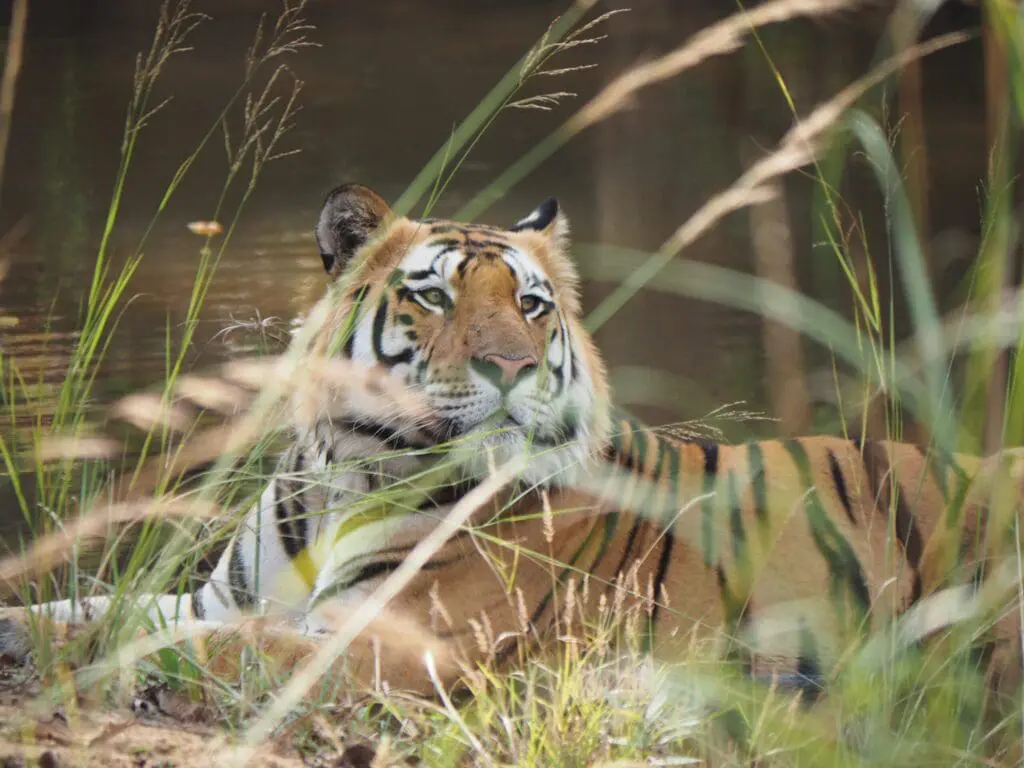
For those seeking greater range, Bhitarkanika pairs naturally with Similipal National Park, another of Odisha’s undervisited reserves, now home to an estimated 32 tigers and considerably improved facilities — including the sensitively restored Belgadia Palace. Together, the two parks offer a well-balanced journey combining genuine wildlife access with cultural depth.
Recommended Itinerary
For travellers who want the full scope of eastern India done properly, the following sequence works well: Kolkata, with three nights at the Glenburn Estate, provides an unhurried arrival point before the journey moves east.
From there, three nights at Belgadia Palace in Odisha gives access to Similipal’s forests, as well as the Chhau festival in January (a UNESCO-recognised performing art form of considerable power), the Sun Temple at Konark, and the region’s remarkable Ikat textile tradition.
A single night at Killa Aul Palace then bridges the journey south to Bhitarkanika (arrival before 3pm is essential to board the catamaran before it gets dark).
Two to three nights aboard the Antara catamaran follows, with the option to extend into the surrounding villages.
The journey concludes at Rambha Palace on Chilika Lake, Asia’s largest coastal lagoon, and one of the finest sites on the subcontinent for marsh and waterbirds.