Common Concerns at Elephant Camps
Elephant Riding: It is now widely understood that elephant riding is not an ethical practice and should not be participated in while visiting an elephant camp. It does not meet the World Animal Protection and ABTA guidelines.
We do not condone elephant rides, but some argue that riding in itself is not always harmful to elephants. Two people sitting on an elephant are around 10% of its body weight, and studies show that if they are sitting on the correct part of the elephant, this doesn’t directly cause any physical harm.
The issue has more to do with the distance and length of time the elephants are walking each day, how hot it is, how much shade they have, and whether or not they have adequate drinking water and breaks.
In fact, elephants used for riding have often been found to be in better health, as they are getting the correct amount of regular exercise they need instead of being sedentary, which can lead to obesity and other medical issues.
Though we do not condone elephant riding, a camp advertising ‘no riding’ does not necessarily mean it’s a good camp.
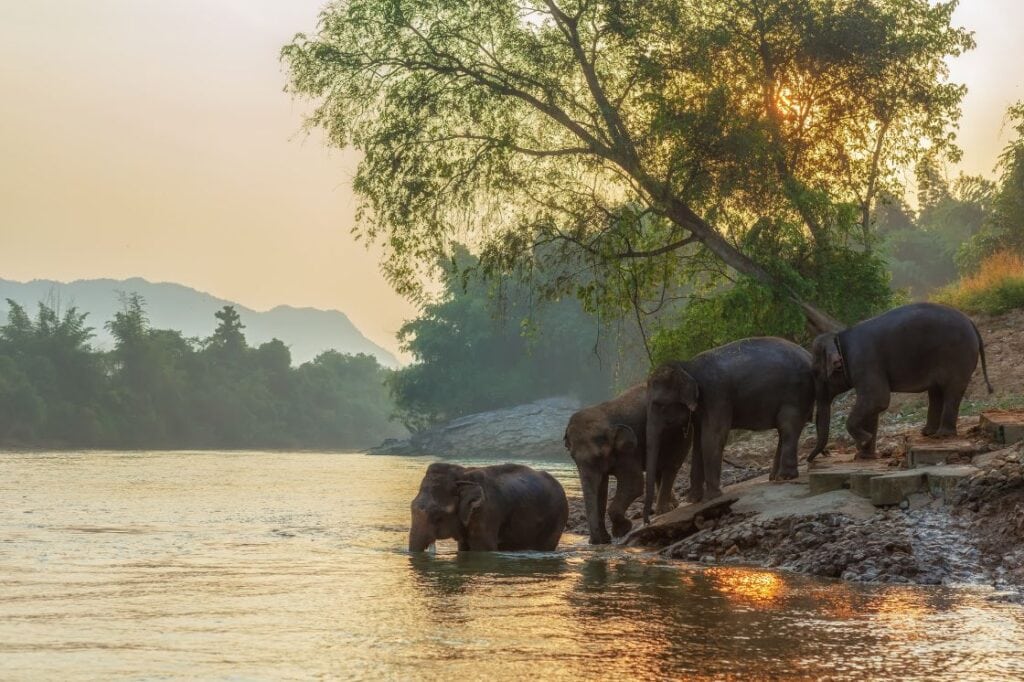
Bathing: Again, this seemingly innocuous practice does not meet what is acceptable under ABTA and WAP guidelines. It’s also unnatural for elephants to bathe two or three times per day, and it can cause skin issues and be a potential danger to humans.
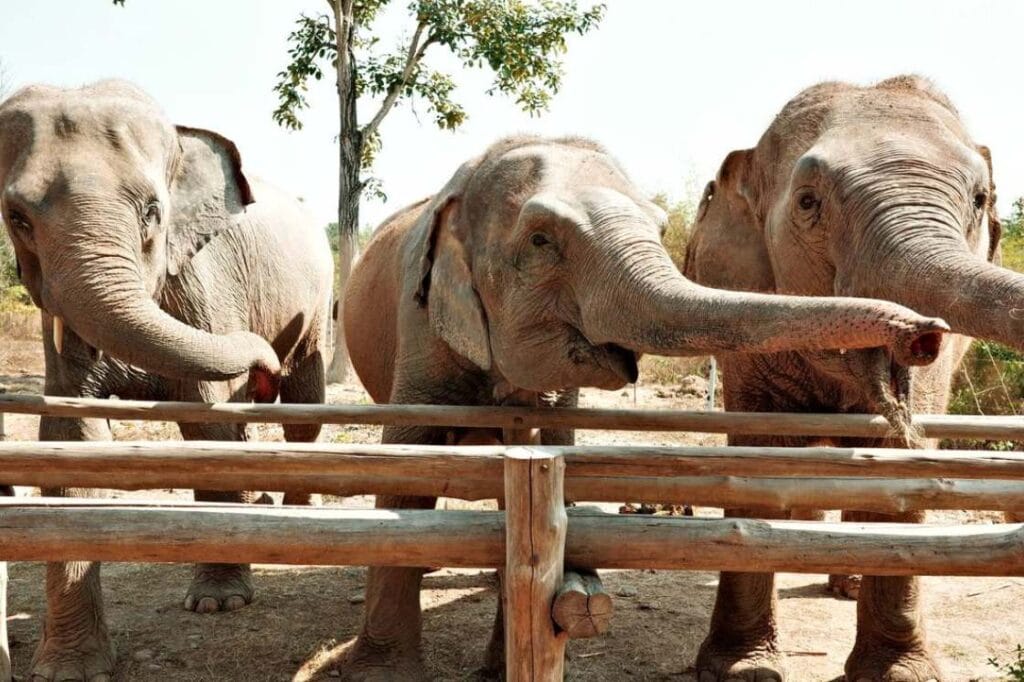
Feeding: If feeding takes place in a controlled environment with a physical barrier between elephants and humans, this is an acceptable activity.
However, elephants’ natural diet is very varied; depending on their habitat, they eat 165 species of fruits and plants. In camps, elephants are regularly fed sugary foods like bananas, pineapples, and sugar cane, which can result in obesity and health problems, including diabetes.
Chains: The use of chains evokes a degree of discomfort in most people, but captive elephants need to be restricted in their movements for their safety and the safety of local people and communities.
This restriction should be from guidance by their mahouts or with a physical boundary around their area whenever possible. Given that elephants need a lot of space, the boundary is not always possible, and their mahouts need to sleep too.
This means that most elephant camps need to use chains at some times, usually at night. The more practical issue is the length of the chain. According to ABTA guidelines, this should be not less than 3 metres during the day and 6 metres at night.
Bull Hooks: Many camps advertise ‘no-hooks’, and while it is, of course, preferable that elephants are not subject to physical pain or intimidation, there are more incidents of injury and death to humans at camps without hooks.
No matter how docile an elephant seems, they are still technically wild animals and can cause severe damage. Mahouts can control their elephants with verbal commands and should only use the hook as a last resort in a dangerous situation.

Positives & Negatives of Elephant Camps
Potential negatives:
– Elephants are kept in smaller areas than they would have access to in the wild.
– Elephants do not always get enough variation in their diets or enough exercise, which can cause diabetes and other health-related issues.
– Large groups of people and loud noises can cause distress to elephants.
– Elephants may be mistreated (hit, chained, malnourished, denied medical care).
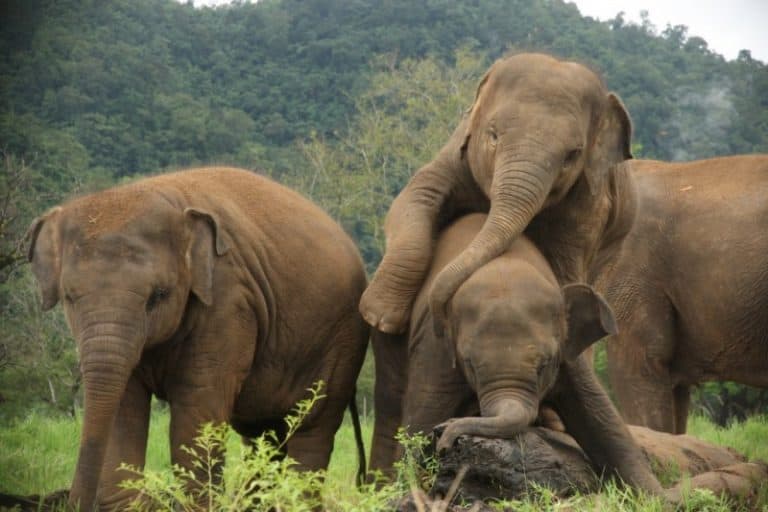
– Elephants may not have a social group.
– Employees at camps may not be legally employed and suffer poor conditions and underpayment.
– There is a general lack of regulation in the industry, although it is improving with increased micro-chipping, registration, and DNA passports.
Potential positives:
+ Tourism funds care for elephants. Captive elephants are fed and kept in safe conditions with veterinary medical care available, without the dangers which wild elephants face, like starvation, human-elephant conflict, and disease. Elephants in captivity live 10 years longer than in the wild, on average.
+ Keeping elephants in captivity gives more control over the population and ensures the species’ survival in years to come.
+ Camps provide visitors with the opportunity to get up close with animals they’d never usually see. This creates lifelong memories which build empathy and understanding for elephants and other endangered wildlife, as well as sustainability in general.
+ Camps provide employment, opportunity, and income to local communities. They are often located in rural areas with below-average income, and the tourism money filters down into other local businesses and infrastructure and creates more jobs, generally helping the local economy.
+ Some camps work with elephant welfare charities, NGOs, and government departments to fund research and projects to ensure the future of wild elephants.
+ Most elephants in camps have been bought from the logging or entertainment industries, where they likely had a far lower quality of life.
What We Recommend
We believe it’s important to choose a camp that benefits the elephants they are caring for, the mahouts and the local communities which the camp supports. And with this approach, visitors will gain a better understanding of animal welfare.
As both ABTA and WAP guidelines dictate, elephants should ideally be seen in an observation-only setting, assuming their five freedoms are being observed.
However, it’s important to take a pragmatic approach when visiting camps in Thailand.
A camp which offers elephant bathing could still be looking after the elephants very well or be funding conservation projects or research.
Although boycotting them outright may force them to improve their approach, it may also lead to bankruptcy and a negative outcome for the elephants they care for.
Instead, we’d recommend visitors take some time to familiarise themselves with the basics of elephant wellbeing and speak to our consultants about which camps they should visit.
Opt for an observation-only camp when possible or choose the observation-only package from camps that offer non-observational activities.
It’s not always possible to get behind the scenes of each camp, but the following organisations have their own list of recommended camps based on rigorous research:
Responsible Thailand, part of the Tourism Authority of Thailand (TAT)
Asian Captive Elephant Standards (ACES)
ETG’s Recommended Elephant Camps in Thailand
The following camps have been selected based on subjective criteria, feedback from customers and local partners, and recommendations from elephant welfare and sustainability focused organisations.
It is subject to change and is not intended as an exhaustive resource nor a kite mark of quality.
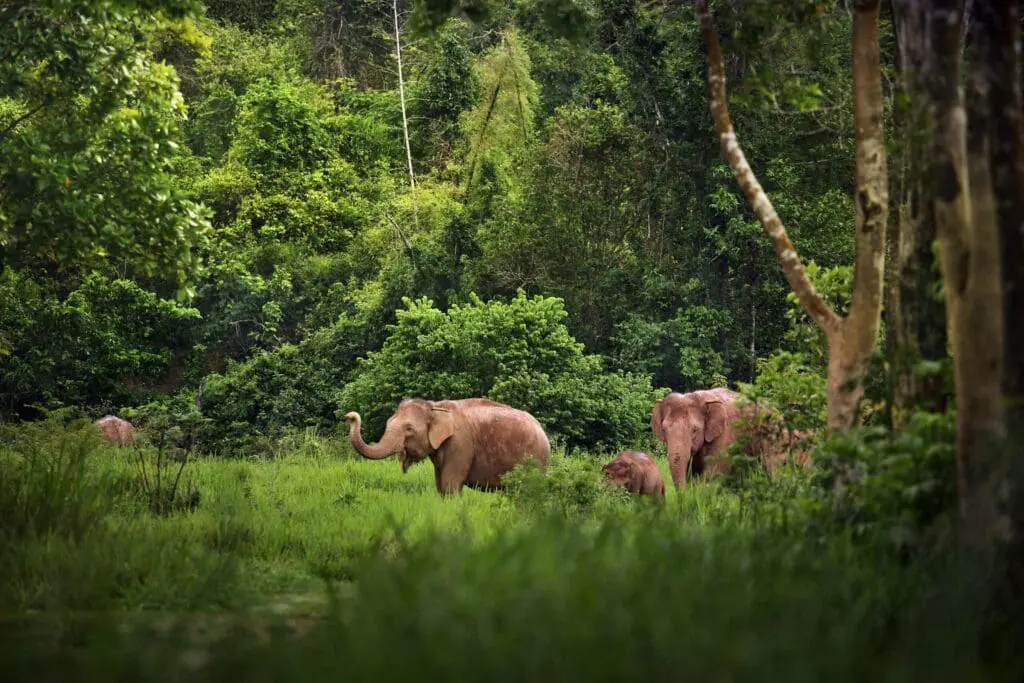
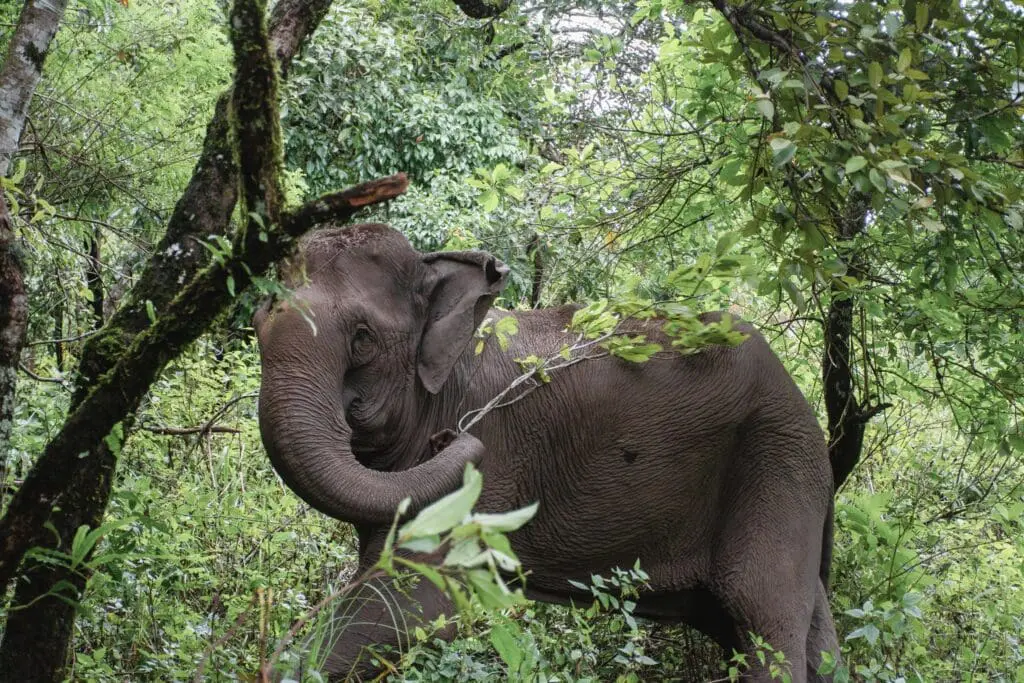
Chang Chill – a completely hands-off camp in Chiang Mai province where visitors trek through the jungle to find the elephants and watch them in their natural environment.
Elephant Rescue Park – also in Chiang Mai, the camp offers an easier way of seeing their elephants than Chang Chill. The camp works closely with the local community.
They have a lot of land for elephants to roam in, and the owner is currently the Vice President of the Thai Elephant Alliance. He once even sold his house to buy an elephant with a broken leg.
Kindred Spirit – deep in the jungle and close to Mae Hong Son, Kindred Spirit offers long-stay volunteer packages and the chance to stay with the local community – a Karen Hilltribe.
The experience is strictly hands-off, and the focus is very much on the elephant’s health and well-being.
Anantara Golden Triangle – This hotel on the border of Thailand, Myanmar, and Laos has partnered with a local sanctuary to provide guests with the chance to see and walk with elephants while accompanied by their mahouts and a guide.
Somboon Legacy – a hands-off experience in Kanchanaburi looking after three rescued elephants. The camp’s focus is on the elephant’s welfare and the education of visitors.
Phuket Elephant Sanctuary – this camp on the East Coast of Phuket has a huge elevated walkway from which visitors can observe the 20 or so elephants roaming, foraging, and socialising.
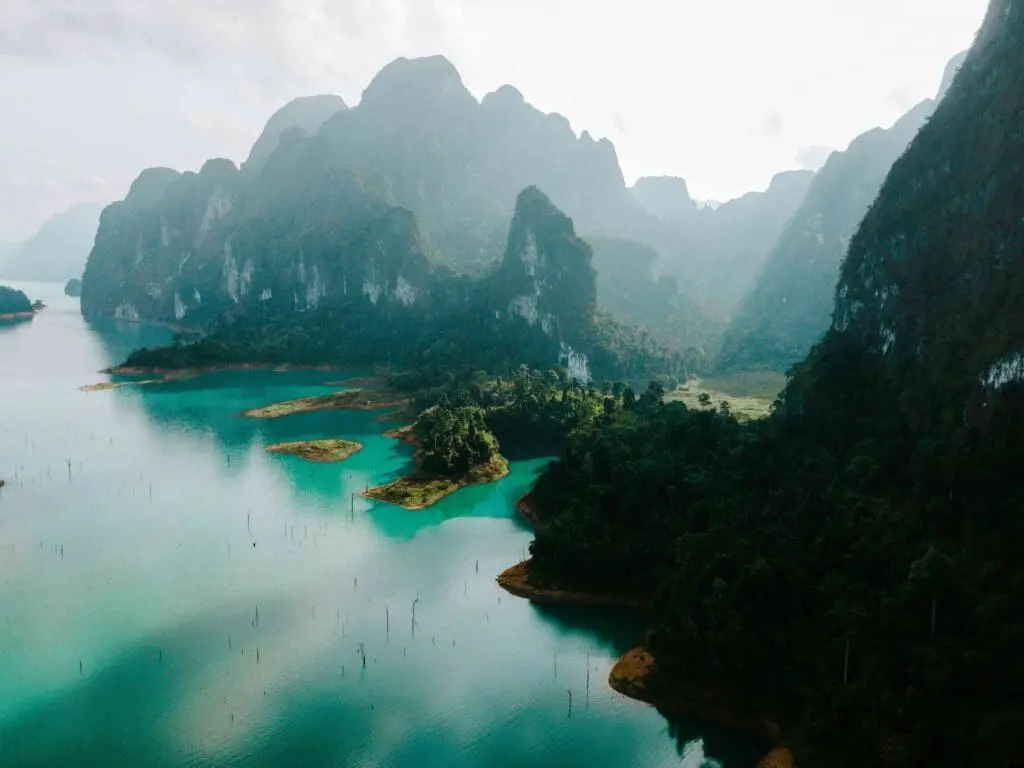
Elephant Hills – a long-standing camp in Khao Sok which works with an elephant conservation organisation, ideal for one or two-night stays. They have recently opened another branch near Chiang Mai.
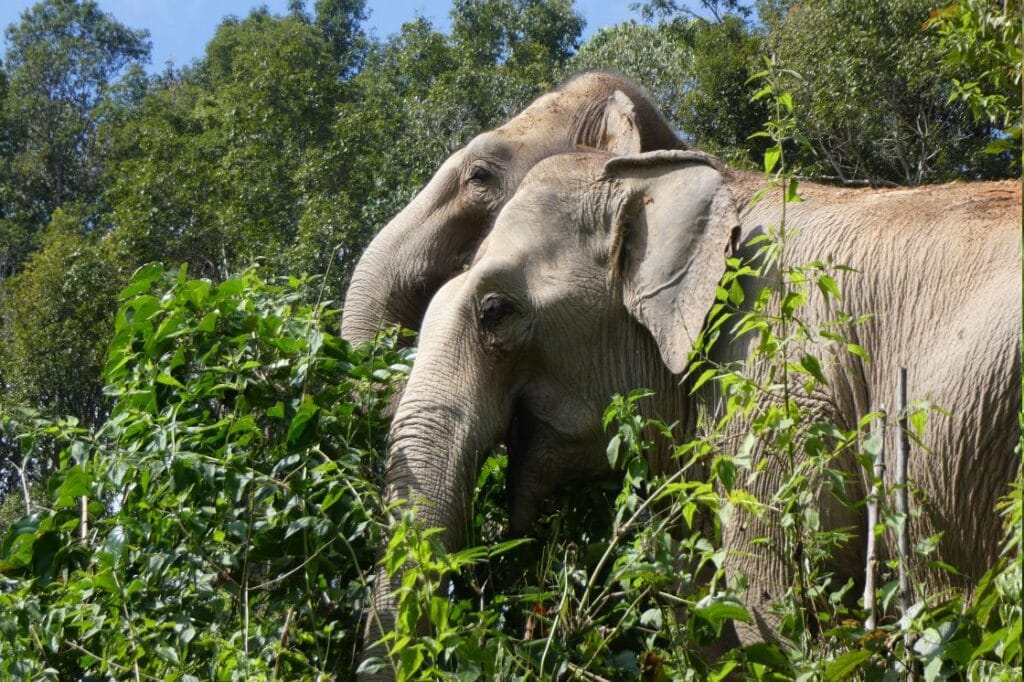
Mahouts Elephant Foundation – the only camp (to our knowledge) that offers complete freedom to roam to the elephants, and actively work to re-wild them when possible.
The minimum length of stay is 4 nights with basic accommodation, and the location is far off the usual tourist trail, but the experience is hard to match.
Following Giants – a totally hands-off camp on the beautiful island of Koh Lanta, just off the South-West coast.
Experience these during the following holidays
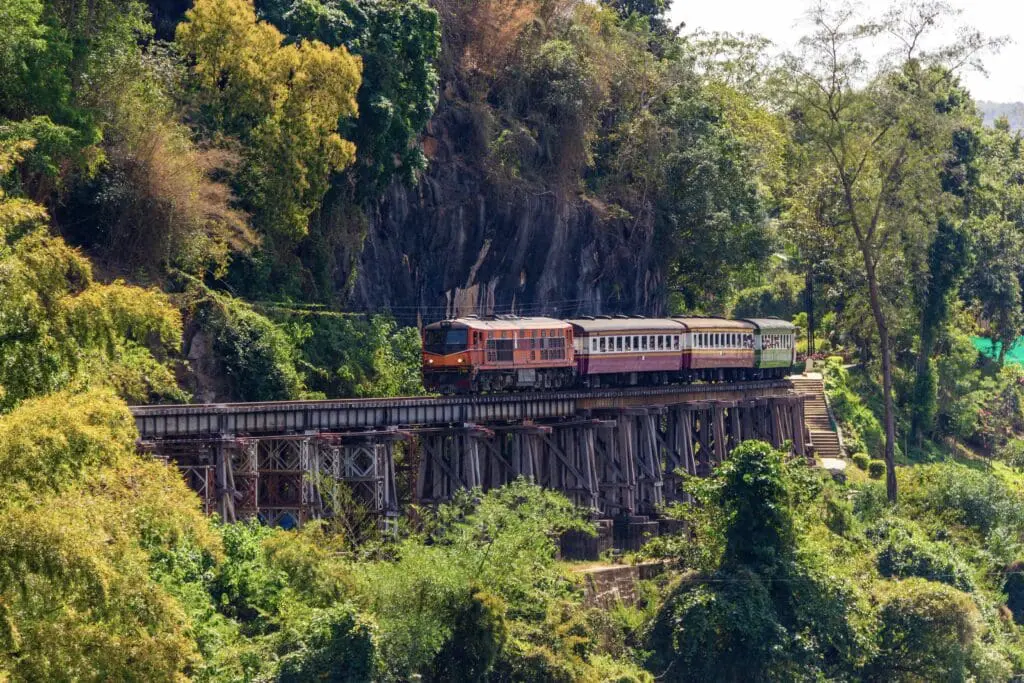
Countryside, Rivers & Reef by Train – this trip is for you if you appreciate a magnificent mix of landscapes (it includes a visit to an ethical elephant sanctuary in Chiang Mai).
Elephant Encounters in Thailand – this trip shows what is possible in Thailand for genuinely ethical and immersive elephant encounters and off-the-beaten-track cultural experiences.
Authentic elephant experiences in Thailand are a great way to encounter something brand new and create unique memories while on your travels.
No matter what’s on your wish-list for your trip to Thailand, ETG can help curate the ideal experience for you.
A Last Word…
The issue of elephants in captivity in Thailand is not straightforward. There are very few absolutes when considering the wider situation and why elephants are in camps at all.
However, there are certain minimum standards that the tourism industry and tourists themselves should insist upon, and the camps should strive to achieve.
In time, this cumulative effect should raise the bar for standards across the industry and improve the lives of captive elephants.
CURIOUS ABOUT THAILAND?
Get in touch with our expert team on on 0203 993 5636. Alternatively, fill out an online enquiry form to start your journey.
CURIOUS TRAVELLER’S GUIDE TO THAILAND
Our specialists have compiled many of their tips and insider secrets in this, The Curious Traveller’s Guide to Thailand. Download your complimentary copy for an insight into authentic Thailand that will help inspire your adventure.
DOWNLOAD NOW