

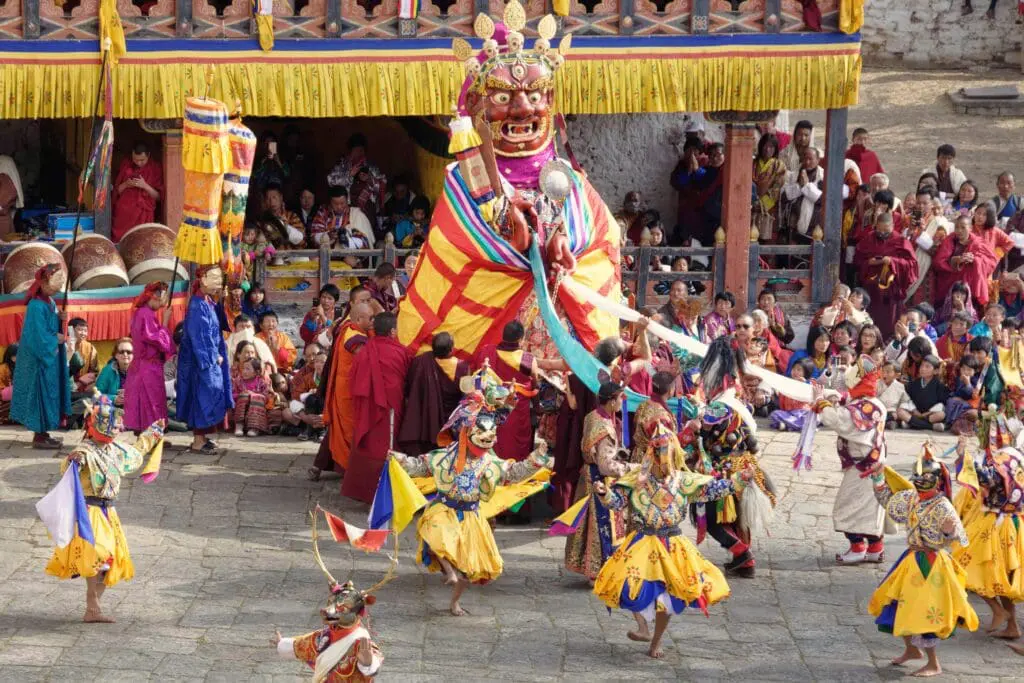

Asia Travel Consultant Sara Wells has spent nearly two decades helping travellers discover the Indian Subcontinent. Alongside extensive travel in India, Nepal and Sri Lanka, she has explored Bhutan‘s monasteries, remote valleys and festival traditions with Experience Travel Group. Here, Sara shares the Bhutan festivals she most often recommends, when to book, and how to experience them in a way that goes beyond the obvious highlights.
Bhutan festivals are often one of the first things I discuss when helping clients plan a trip.
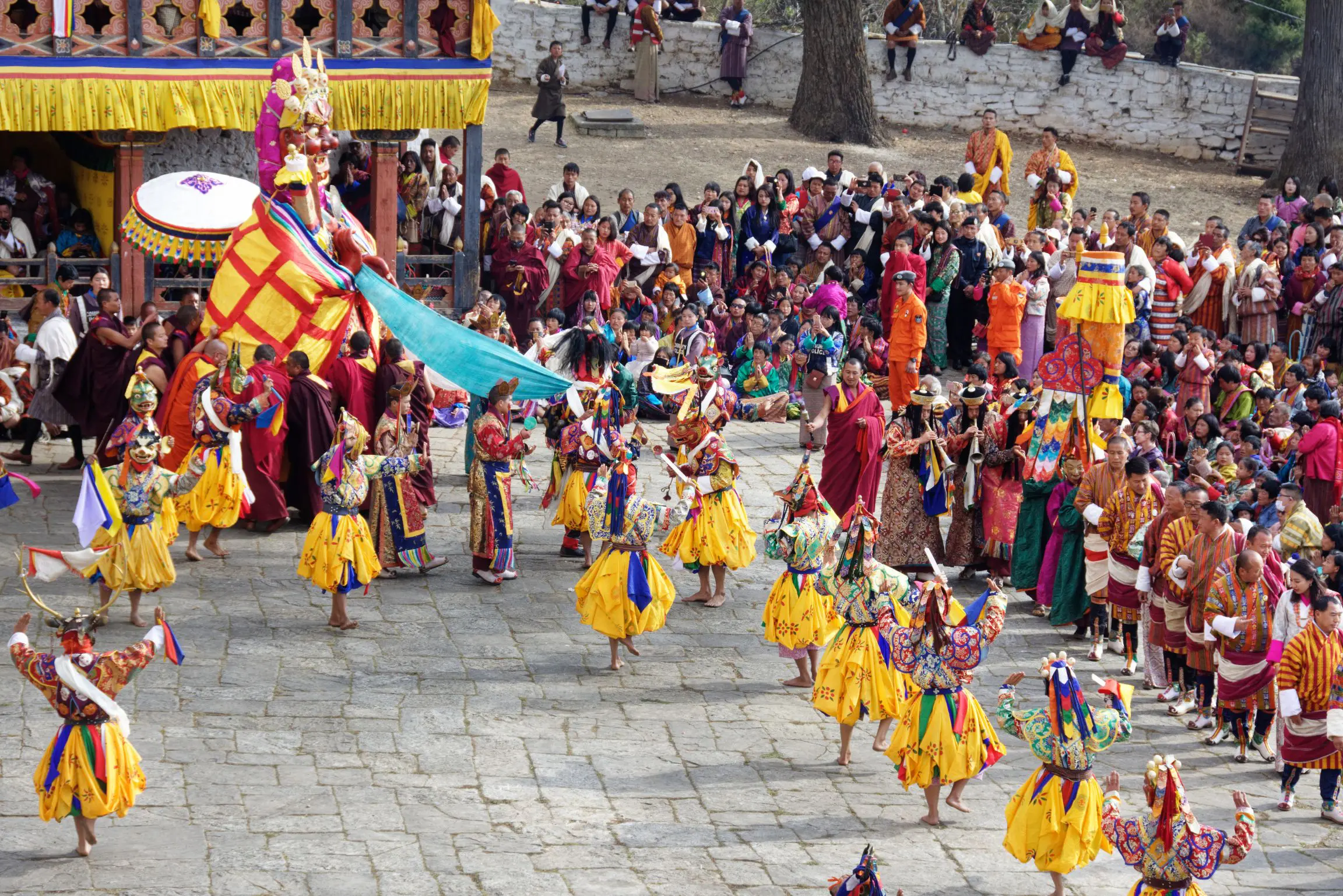
That’s partly because they’re spectacular. The masked dances, monastery courtyards and colourful traditional dress create some of Bhutan’s most memorable scenes. More importantly, festivals offer a window into everyday Bhutanese life. Families travel from neighbouring valleys, monks perform sacred dances passed down through generations, and communities gather in ways that have changed remarkably little over time.
The challenge is knowing which festivals to choose.
Most first-time visitors have heard of Paro Tshechu. Some know about Thimphu Tshechu. Both are excellent. Yet if I were planning my own trip around a festival, they wouldn’t necessarily be my first choice.
Over the years, I’ve found myself drawn towards the smaller celebrations. The festivals where local families still vastly outnumber visitors. The ones where conversations happen naturally and where the experience feels rooted in the community rather than the festival calendar.
What Are Bhutan’s Festivals?
Bhutan’s festivals are known as Tshechus, religious celebrations held throughout the country at monasteries, temples and dzongs.
They commemorate important events in the Buddhist calendar through sacred mask dances, blessings and ceremonies. While visitors are welcome, these are not performances created for tourism. They are important religious and cultural occasions for Bhutanese communities.
That distinction is one of the reasons I find them so compelling.
You aren’t watching a show put on for visitors. You’re witnessing traditions that remain central to Bhutanese life.
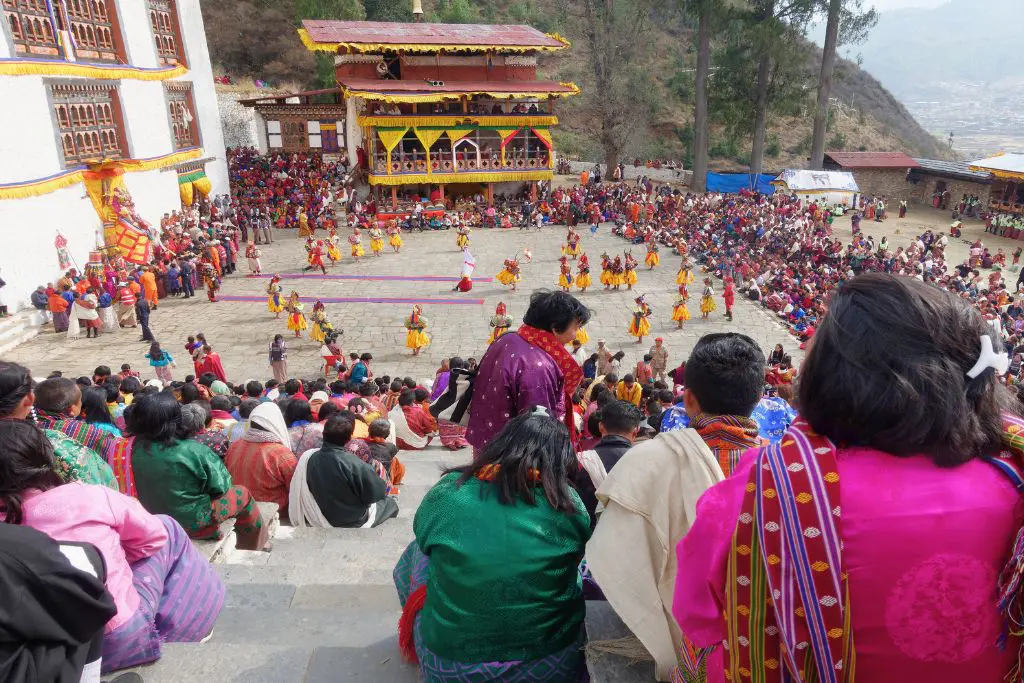
Paro Tshechu is Bhutan’s most famous festival, though some of the country’s lesser-known celebrations often provide a more intimate experience.
When Is the Best Time to Visit Bhutan for Festivals?
If festivals are high on your priority list, I generally recommend travelling in either spring or autumn.
Spring Festivals in Bhutan
Spring, from March to May, combines pleasant temperatures, clear mountain views and several fascinating festivals.
Many travellers immediately focus on Paro Tshechu, which usually takes place in March. It deserves its reputation and works particularly well for first-time visitors who want to experience one of Bhutan’s most important religious celebrations.
Personally, I often find myself recommending some of the regional spring festivals instead.
One example is Domkhar Tshechu in Bumthang. Set in Bhutan’s spiritual heartland, it attracts relatively few overseas visitors and retains a strong community atmosphere. Tentative dates for 2027 place it between 16 and 18 April.
Spring is also when Bhutan’s landscapes begin to change. Rhododendrons bloom across many mountain regions, making it a particularly rewarding season for walkers and nature lovers.
The Rhododendron Festival
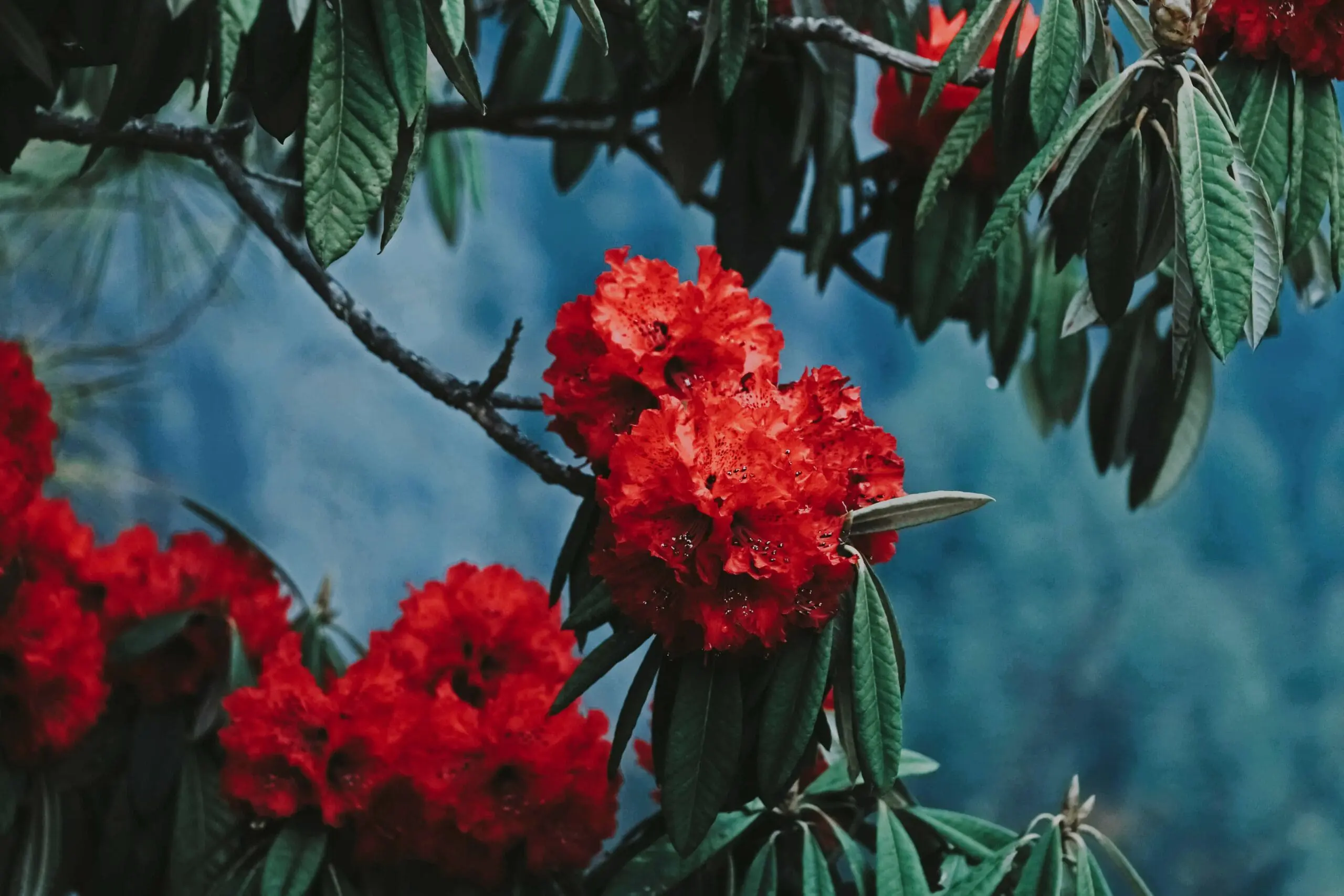
Spring brings flowering rhododendrons to many of Bhutan’s mountain valleys.
For gardeners, photographers and anyone interested in Bhutan’s natural environment, the Rhododendron Festival is worth considering.
Held at Lamperi Botanical Park, it celebrates one of Bhutan’s most colourful seasons. Tentative 2027 dates place the festival on 22 and 23 April.
I wouldn’t plan an entire trip around it. I would, however, happily include it within a wider spring itinerary.
Autumn Festivals in Bhutan
Autumn is Bhutan’s most popular travel season.
Conditions are often ideal for walking, mountain views can be exceptional and many of Bhutan’s major festivals take place during this period.
If I had to choose one autumn festival that deserves more attention, it would be Haa Tshechu.
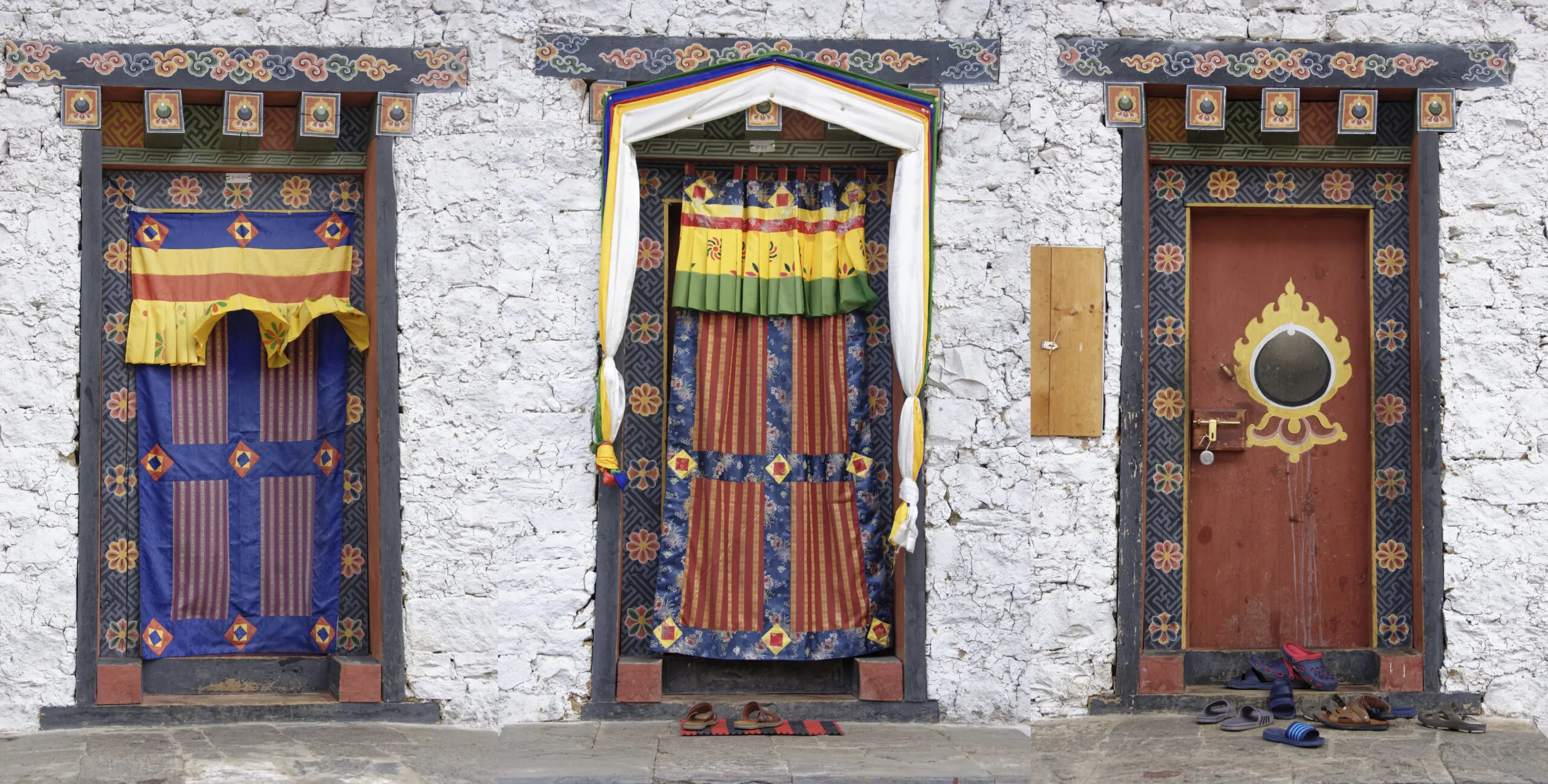
Haa Valley remains one of Bhutan’s least-visited regions and one of its most rewarding.
The Haa Valley is one of Bhutan’s quieter corners. Many visitors pass straight through western Bhutan without venturing there, which is a shame because the valley has a very different character from Paro and Thimphu.
The festival reflects that. Rather than large crowds, you’ll find a celebration that feels deeply connected to the local community. Tentative 2027 dates place Haa Tshechu between 6 and 8 November.
Which Bhutan Festivals Do I Recommend?
Domkhar Tshechu, Bumthang
If you’re the sort of traveller who prefers depth over ticking off famous names, Domkhar Tshechu would be high on my list.
The setting is beautiful, the atmosphere feels personal and the experience provides a fascinating glimpse into local life in Bumthang.
Haa Tshechu
For travellers who have already visited Bhutan once, or who simply prefer quieter places, Haa Tshechu is an excellent choice.
It also combines particularly well with some of Bhutan’s most rewarding walks and cultural experiences.
Paro Tshechu
I still recommend Paro Tshechu regularly.
For first-time visitors, it remains one of the country’s most impressive festivals and provides a wonderful introduction to Bhutanese culture.
I simply think it’s worth knowing that there are alternatives.
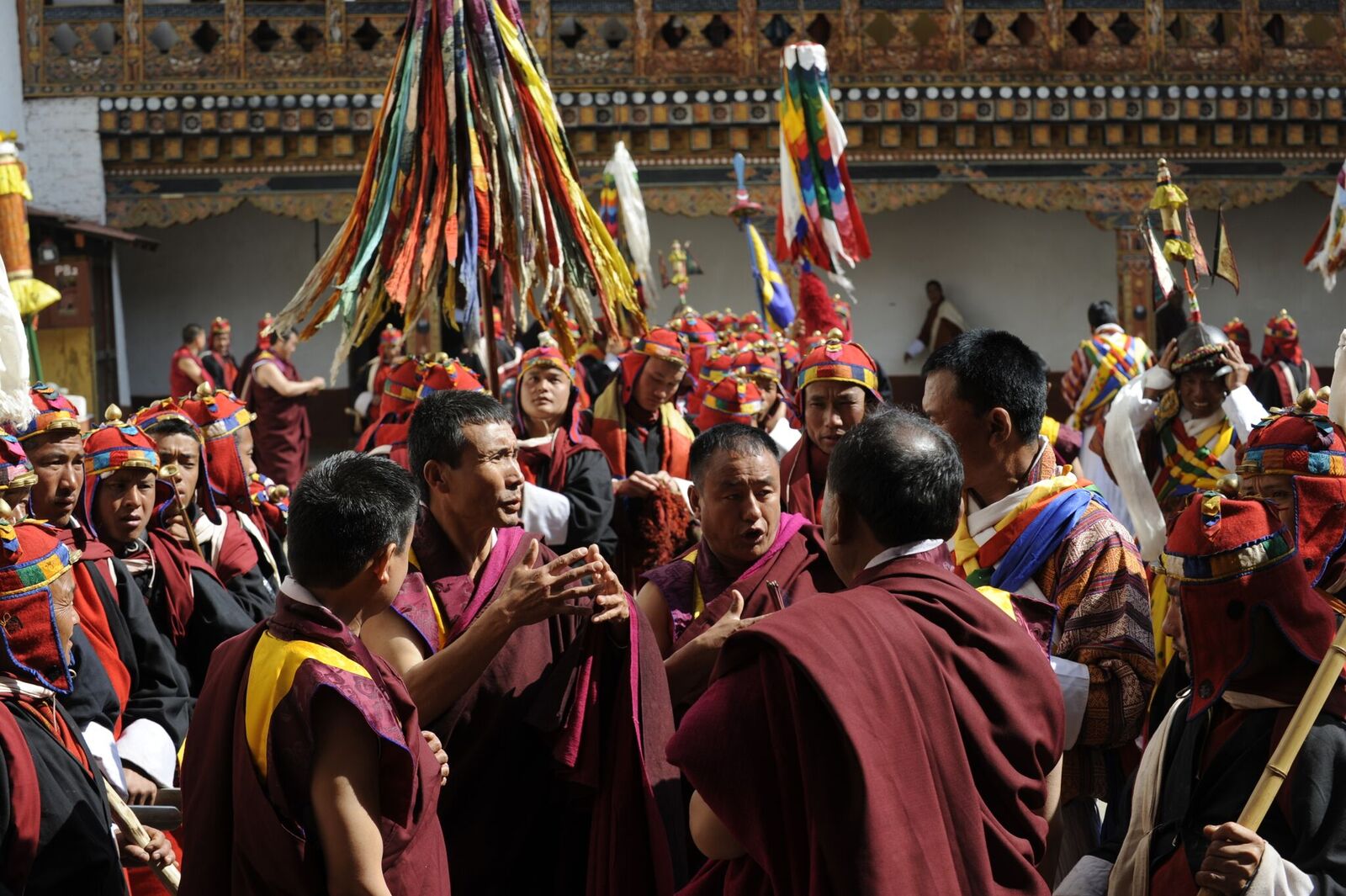
Smaller festivals often provide closer contact with local communities.
Beyond Festivals: Three Experiences I’m Particularly Excited About
Stay at a Temple Guesthouse in Phobjikha
The experiences I remember most in Bhutan are rarely the obvious ones. That’s why I’m particularly excited about Samphelkhang Temple Stay in Phobjikha Valley.
The guesthouse is run by a Buddhist school, creating opportunities to spend time with monks and gain insight into daily life within the monastery community.
I particularly like experiences such as this because they create genuine connections while ensuring tourism benefits local people directly.
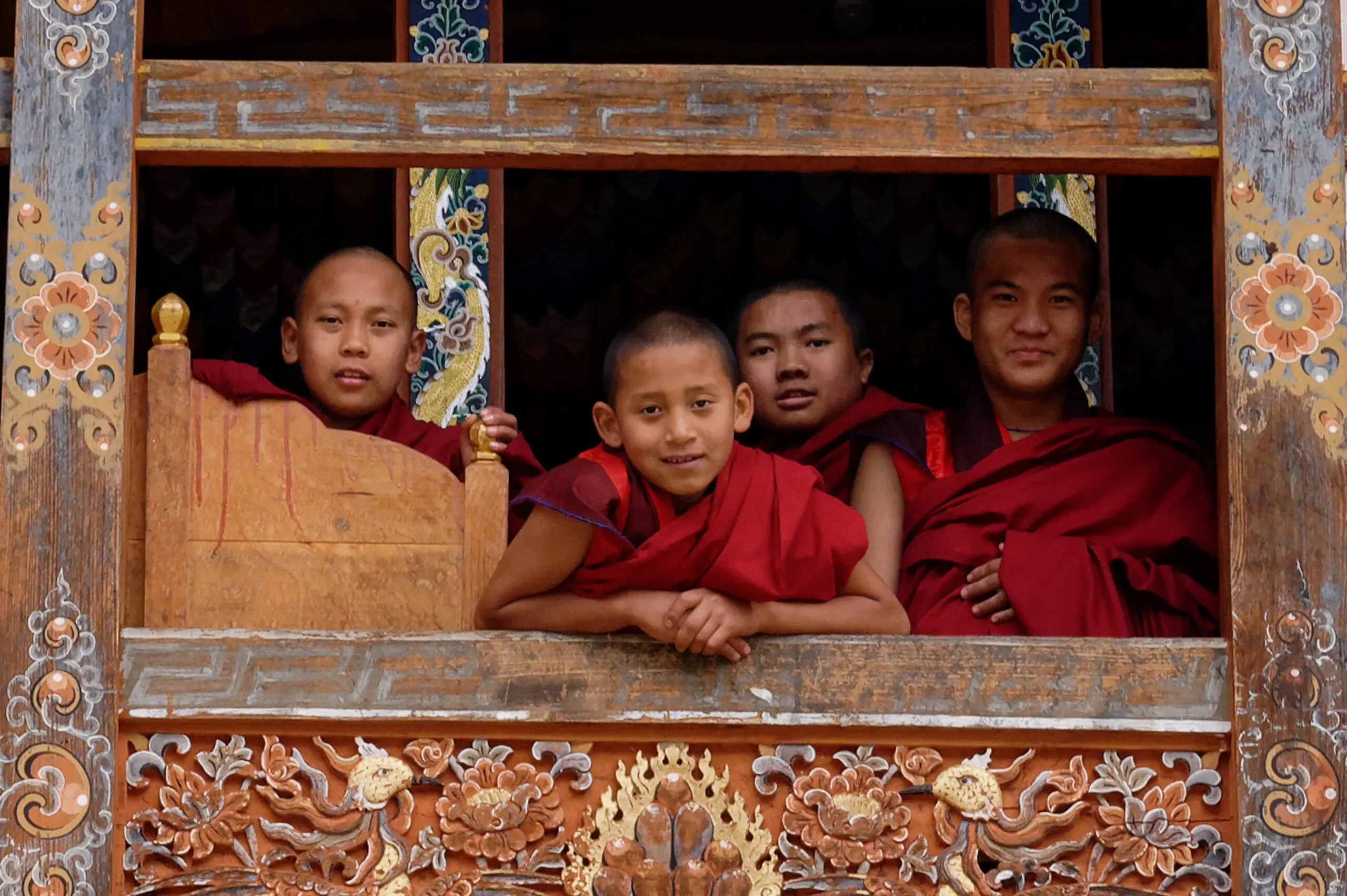
Temple stays offer opportunities to spend time with Bhutan’s monastic communities.
Walk a Section of the Trans Bhutan Trail
The Trans Bhutan Trail has become one of the most interesting additions to Bhutan itineraries.
Historically, this route connected valleys across the country and was used by traders, pilgrims and messengers travelling between communities.
For keen walkers, incorporating a section of the trail into a festival-focused itinerary adds another dimension to the journey.
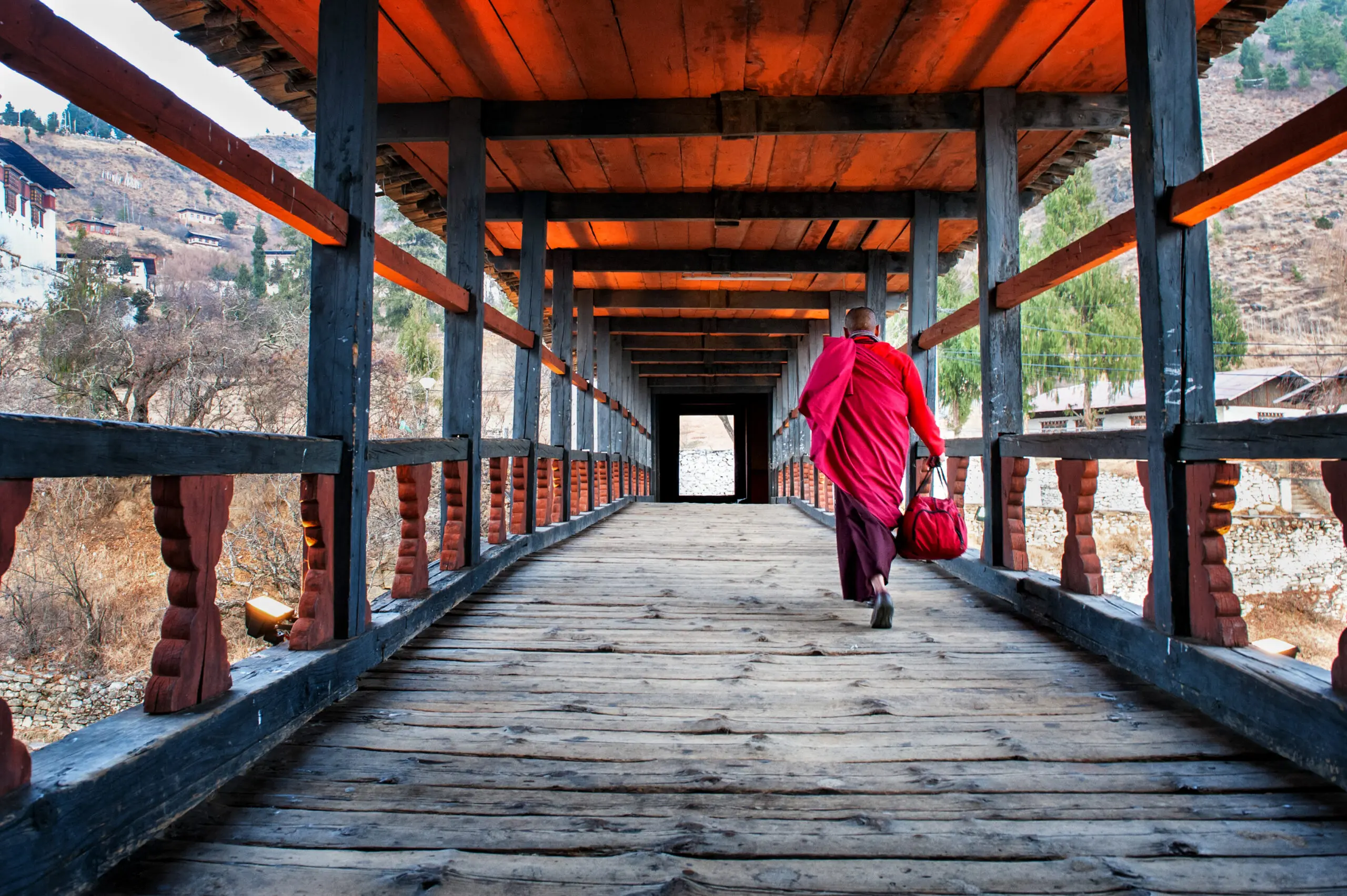
Sections of the Trans Bhutan Trail follow ancient routes used for trade and pilgrimage.
Explore the Haa Valley Beyond the Festival
Even if you’re not travelling during Haa Tshechu, I think the Haa Valley deserves a place on many Bhutan itineraries.
It’s one of the country’s least-visited regions, with beautiful scenery, traditional villages and a noticeably slower pace of life than some of Bhutan’s better-known destinations. I often recommend spending a few nights here to explore on foot, visit local temples and simply enjoy a side of Bhutan that many visitors never see.
For travellers who value quieter places and meaningful encounters, Haa often becomes an unexpected highlight.
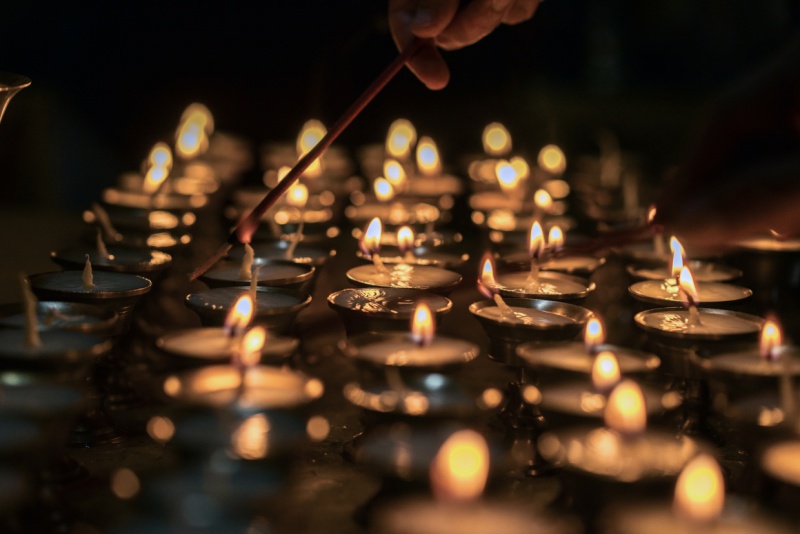
Festivals are deeply spiritual occasions, rooted in Buddhist traditions that remain central to daily life in Bhutan.
When Should You Book Bhutan Festivals?
If a festival is central to your plans, I recommend booking at least nine to twelve months in advance.
Accommodation capacity in Bhutan is limited, and the best guides are often secured well ahead of the busiest festival periods.
This is particularly important for:
- Paro Tshechu
- Thimphu Tshechu
- Peak spring departures
- Peak autumn departures
The earlier you start planning, the more flexibility you’ll have.
Explore ETG Itineraries in Bhutan
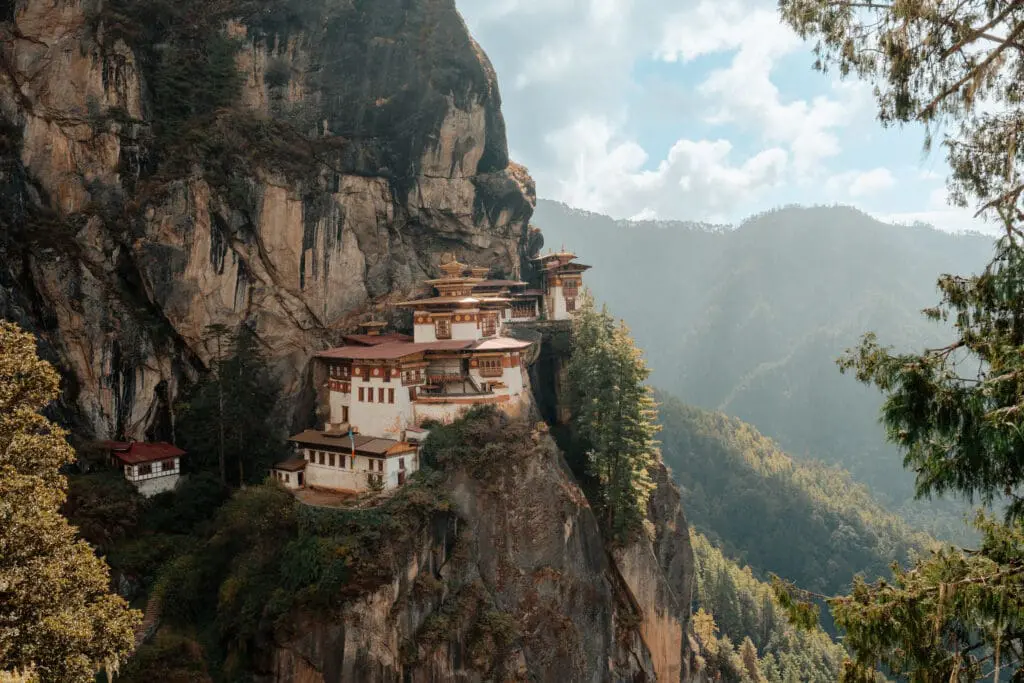
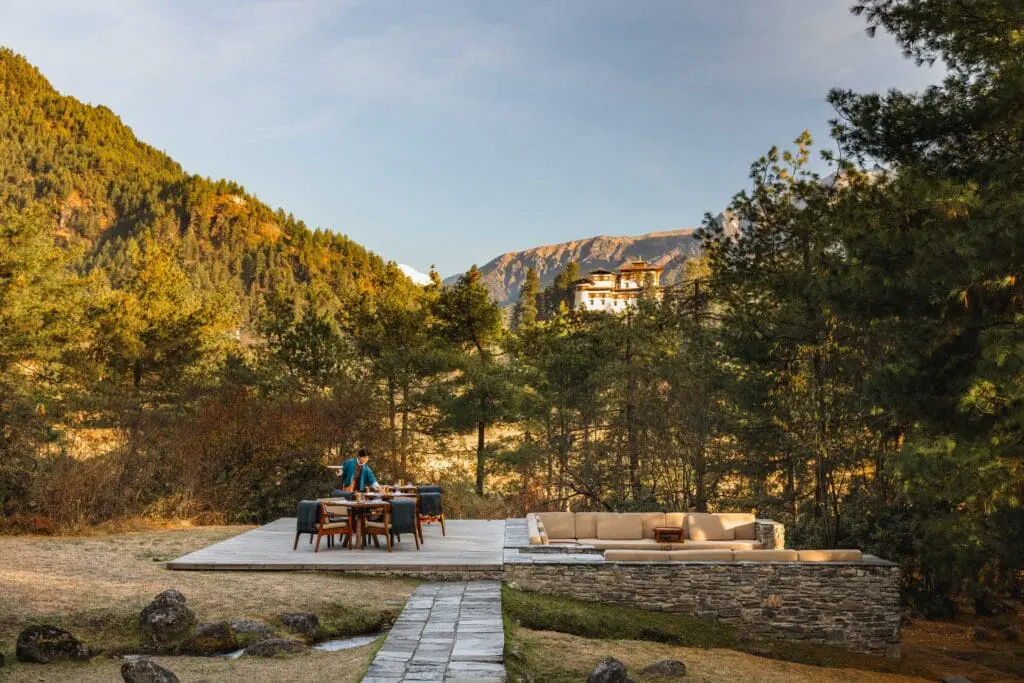
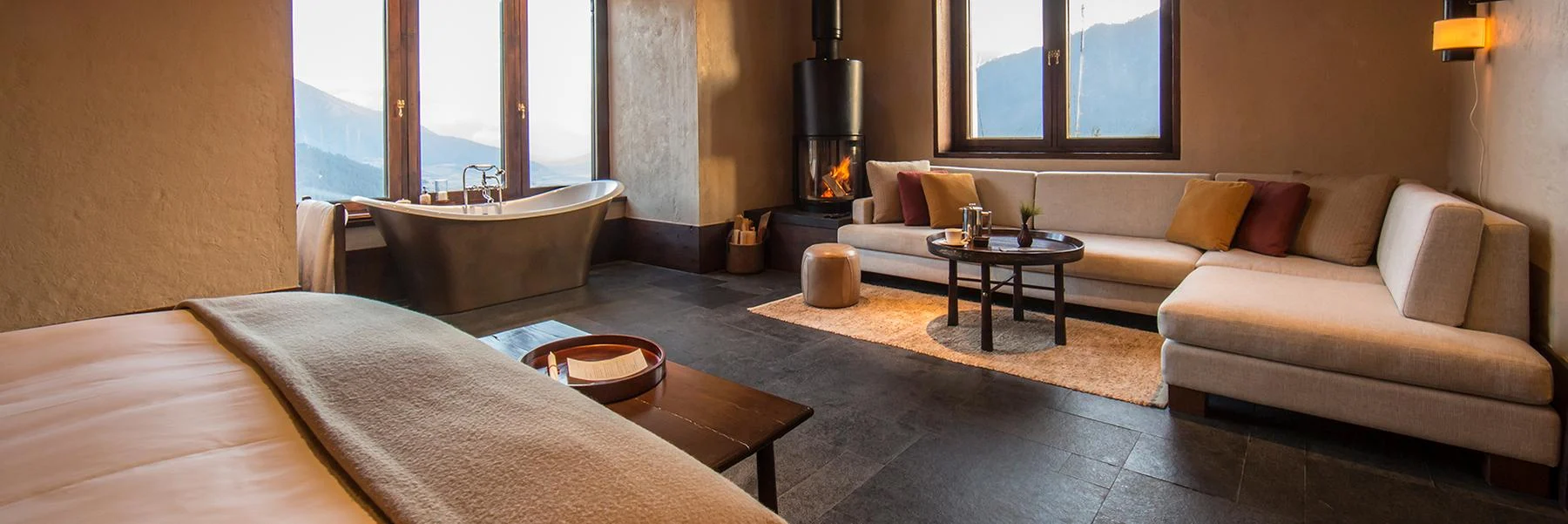
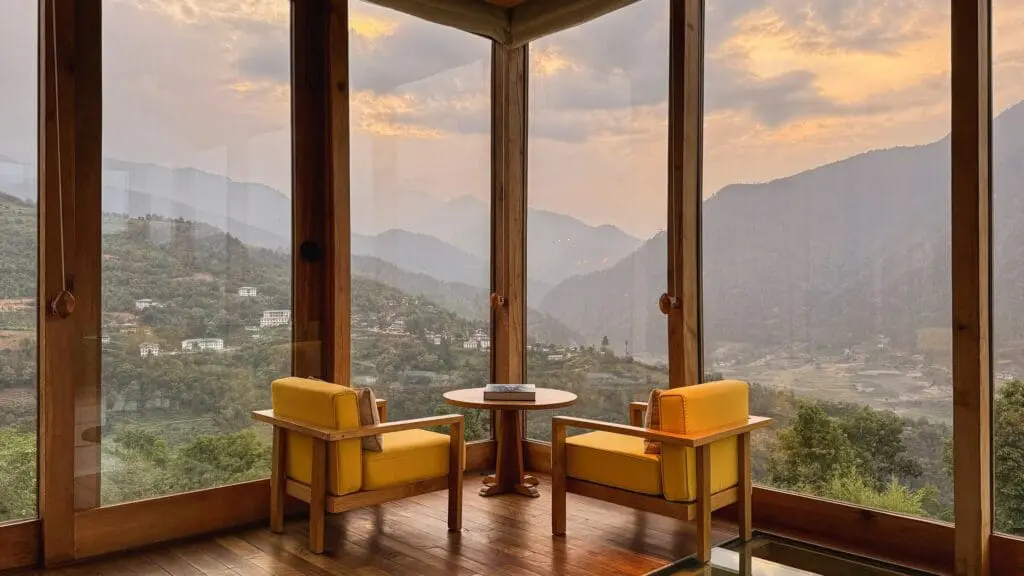
Frequently Asked Questions About Bhutan Festivals
Paro Tshechu is Bhutan’s most famous festival and an excellent choice for first-time visitors. For a more intimate experience, I often recommend Domkhar Tshechu in Bumthang or Haa Tshechu in the Haa Valley.
Spring (March to May) and autumn (September to November) are generally the best seasons for Bhutan festivals.
I recommend booking nine to twelve months in advance, particularly if you’re travelling during one of Bhutan’s major festivals.
Domkhar Tshechu and Haa Tshechu generally attract fewer visitors than Paro or Thimphu Tshechu while offering a strong sense of local participation.
If you’re visiting Bhutan for the first time, Paro Tshechu remains a wonderful introduction.
If you’ve travelled widely and are looking for something more immersive, I’d encourage you to look beyond the headline names.
The festivals I remember most vividly are often the smaller ones. The celebrations where you’re sitting among local families, where the setting is every bit as memorable as the dancing, and where the experience feels connected to the valley around you.
That’s usually where Bhutan leaves its strongest impression.