

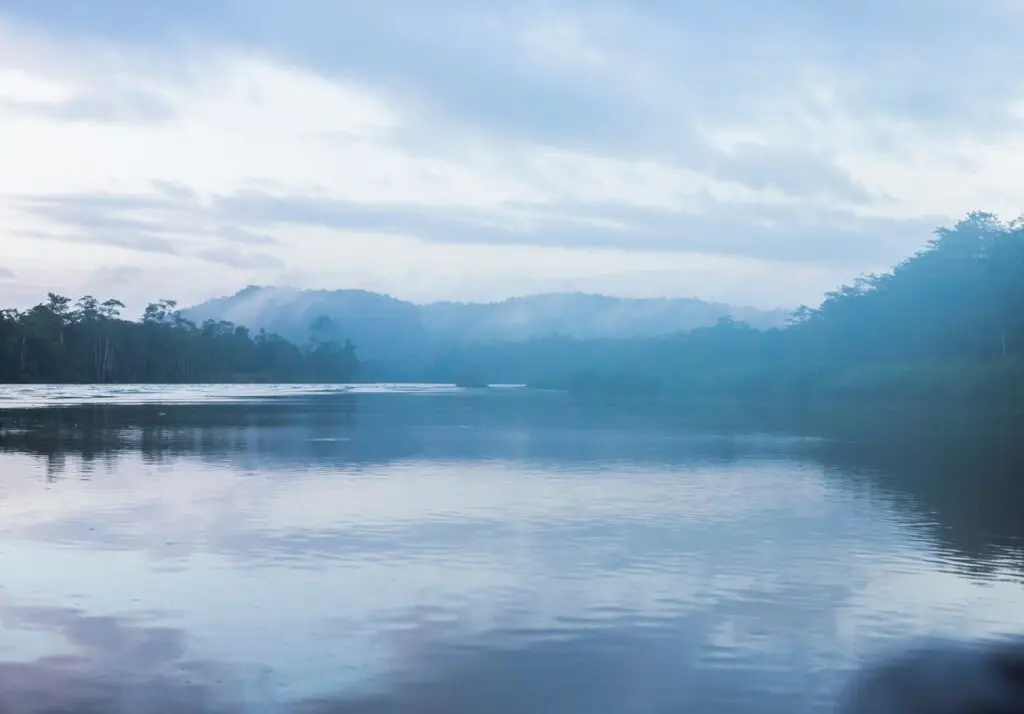
An Ode to Borneo in the Off-Season
If you’re into wildlife, there’s a good chance Borneo’s already pretty high up on your list. It's one of the most biodiverse regions on Earth – and one of the last places where you can see orangutans in the wild.

If you’re into wildlife, there’s a good chance Borneo’s already pretty high up on your list. It’s one of the most biodiverse regions on Earth – and one of the last places where you can see orangutans in the wild. Add to that dozens of weird and wonderful species you won’t find anywhere else (the proboscis monkey deserves a BAFTA for best supporting snout), and you’re in serious nature-nerd heaven.
Traditionally, May to September is seen as the time to go, and for good reason; the dry season overlaps neatly with the fruiting season, which is when wildlife is most active. Handily, this coincides with Western school holidays making July and August the height of the peak season. But with limited lodges (you are in protected rainforest, after all – nobody’s slapping up a Premier Inn here), it can be tricky to get the right itinerary if you leave it too late. For peak season, I usually suggest planning a year ahead to make it easier to lock in the big-hitters like Danum Valley or Mount Kinabalu.
But recently, I went a little rogue. Rosanna, our Head of Marketing, and I snuck off for a research trip in November in the “rainy season”. As you might imagine, it was a big success, because now I’m here to tell you why you should consider doing the same!
Fewer People, More Magic
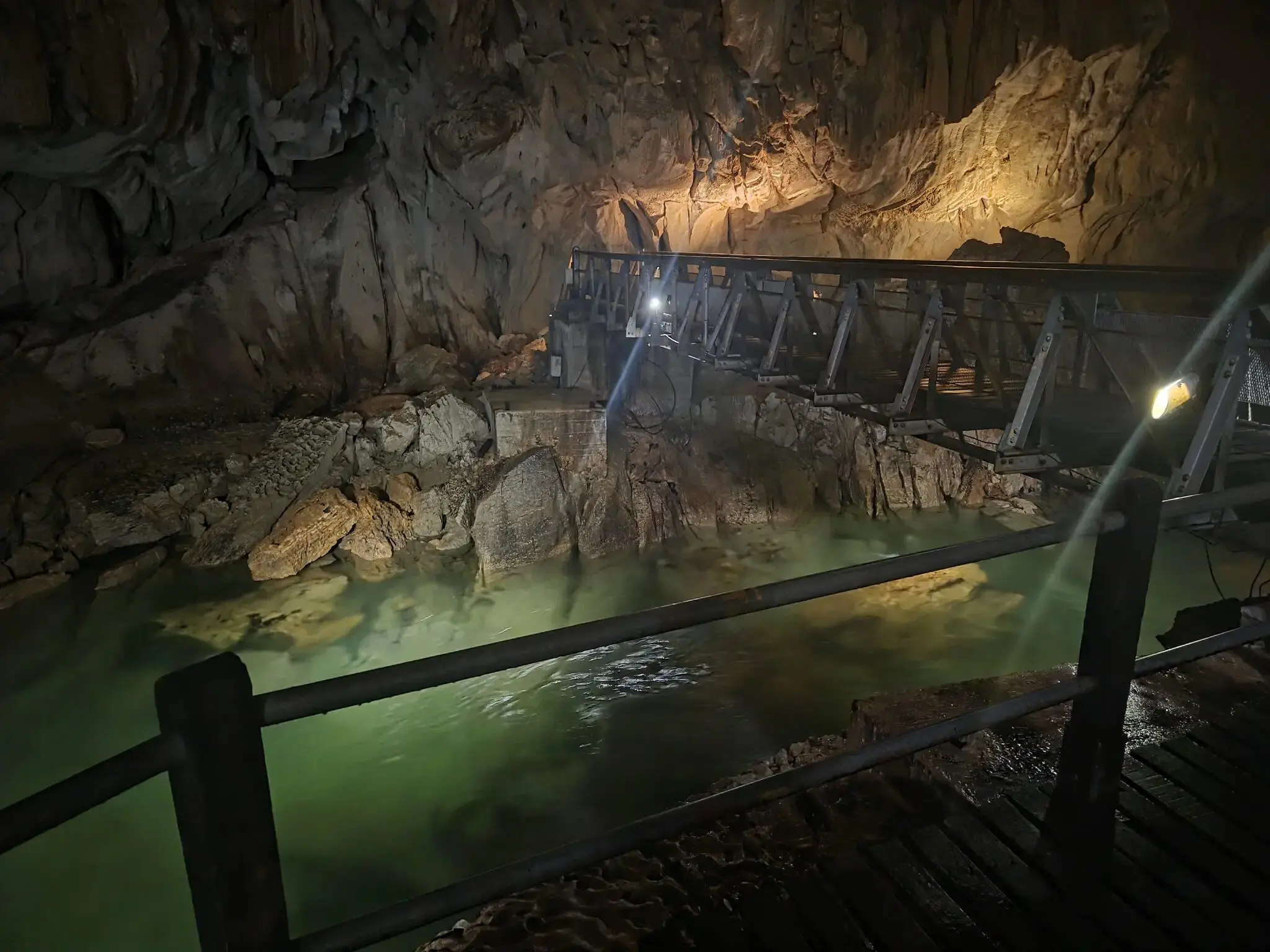
Off-season means fewer tourists, and let’s be honest – isn’t this is what we’re all after when we go away? At Mulu, there were hardly any people around; we even got to explore Clearwater Cave entirely by ourselves. In the summer? You’d be lucky to get a photo without someone’s elbow in it. We got to roam at our own pace, not having to worry about impatient groups behind us or accidentally starring in someone’s selfie. With the rainwater dripping slowly through the ceiling, it had real atmosphere, a sense of wonder. During the Japanese occupation, local tribes hid in the caves to avoid soldiers; our guide’s tribe was one of them, and as he told us about it the quiet made it easier to imagine what it might have been like to live down there.
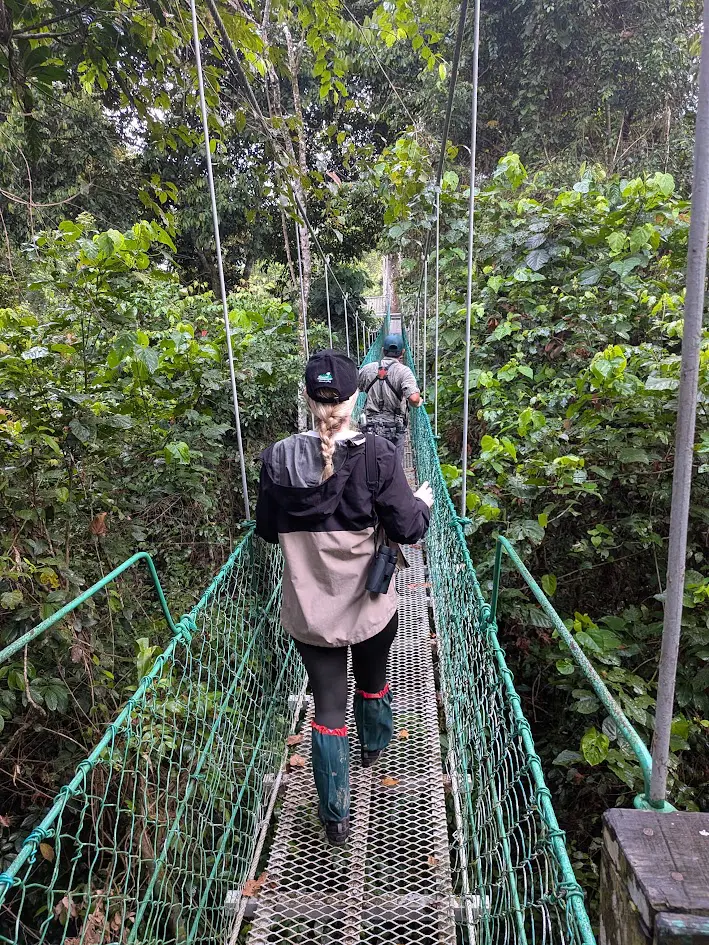
Danum Valley was another highlight. It’s notoriously tricky to include in peak season, simply because Borneo Rainforest Lodge is the only place to stay. But skipping it would be madness.
You’re in a 130-million-year-old rainforest – older than the Amazon – and it shows. Everything feels… ancient. Primeval. Like a T-Rex could casually wander past your balcony.
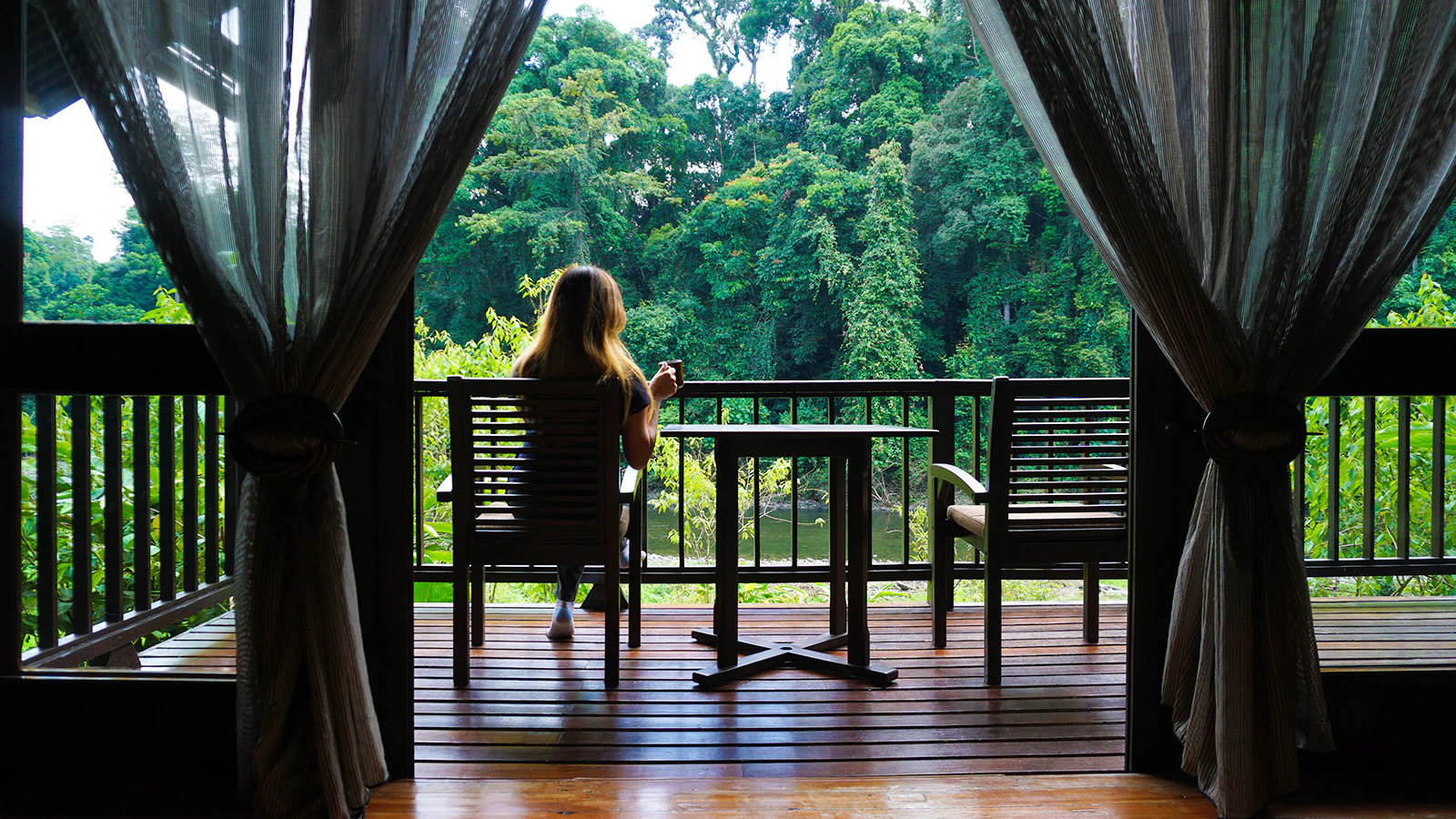
The lodge is simply beautiful too, and will be the highlight of any trip in its own right. I’m still dreaming about the food… from the chef casually barbecuing lobster and steak for dinner, to the laksa station at lunch that had me hooked. Rosanna would probably want me to mention the chocolate fountain at dessert here, too – she was a big fan.
Prices are usually lower in the off-season, and hotels are more likely to be able to fulfil specific room requests, whether that’s being the closest room to the restaurant (my favourite spot) to being as far into the jungle as possible for added wildlife spotting potential. It’s also just easier to piece together an itinerary that flows properly, without weird detours or compromise stops.
The Wildlife Still Shows Up (Sometimes Uninvited)
Now, yes – the fruiting season does mean more wildlife. But don’t write off the rest of the year. In November, we saw more than enough to keep the binoculars busy.
I won’t bore you by listing absolutely everything we saw, but there were a few standouts.
On a night drive in Tabin, we had an incredibly rare sighting of two Malayan Porcupines and a leopard cat.
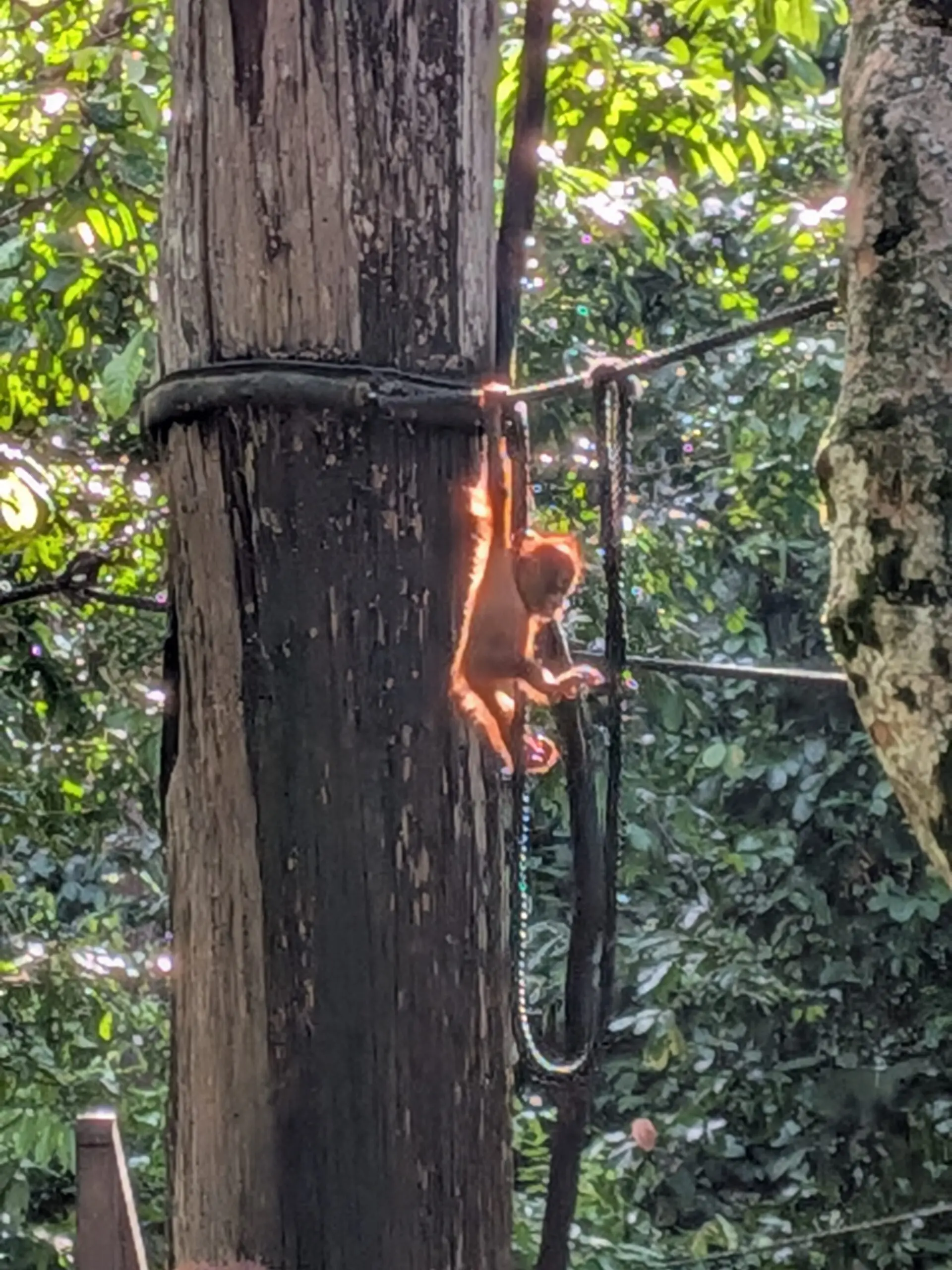
On an early morning walk before breakfast we encountered a whole family of gibbons, baby in tow, and in Kinabatangan one of my favorites was seeing groups of proboscis monkeys hanging out in the trees.
Don’t even get me started on the civets, I was obsessed.
Rosanna even had a surprise visitor in her room at Tabin: a monitor lizard took a wrong turn and tried to get in out of the rain. Thankfully he realized his mistake and moved on fairly swiftly. The joys of being in the jungle!
The highlight here though has to go to our stay at Sukau Rainforest Lodge, where we were lucky enough to see a whole herd of pygmy elephants.
Whilst they follow fixed migration patterns in Danum and Tabin, where they’re usually in the area around July/August, in Kinabatangan they can appear any time of year.
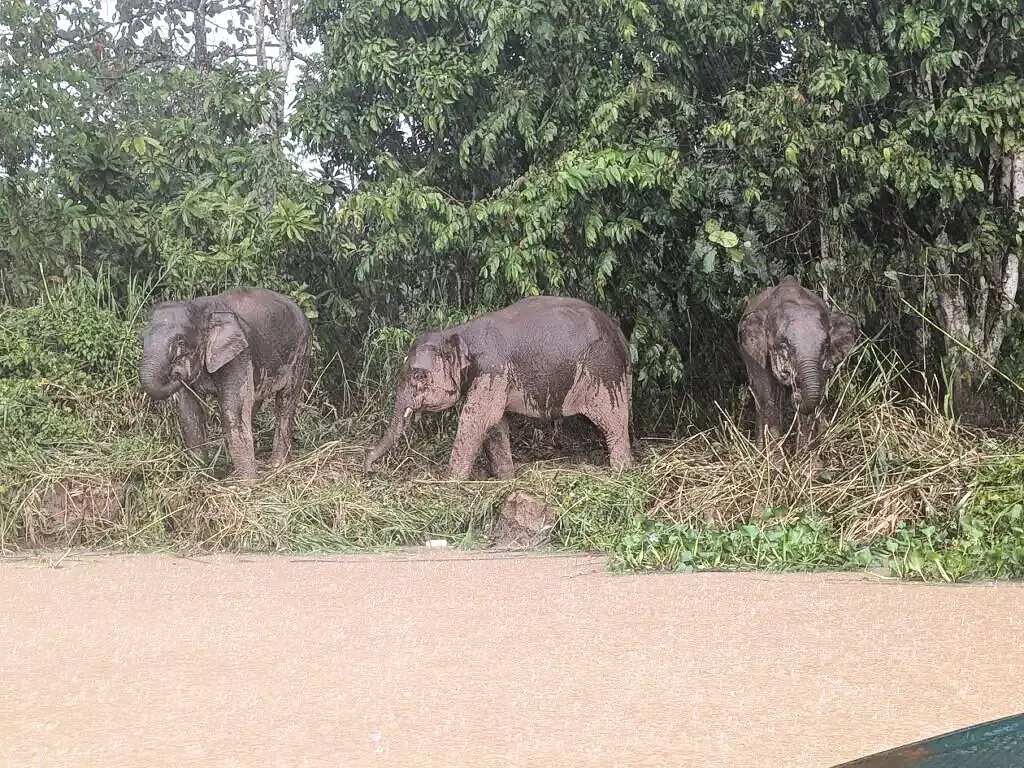
On our second day here, our guide suggested an earlier start than usual so we could head out to where they’d been spotted the day before.
We left our jackets behind, thinking the skies looked friendly enough. Rookie error. We got absolutely soaked… but then there they were.
A whole herd, swimming and grazing by the river. There were not one but two youngsters with their mums, although the star of the show was a tiny calf that would have barely come up to my knees.
Plus, everyone else had decided to hang back to avoid the rain. So it was just us, our guide, and the elephants – not another boat in sight. Worth every soggy sock.
It’s Called a Rainforest for a Reason
Yes, it rains. Even in dry season, you’re going to get showers – in the off-season, it’s just more frequent. We had a good shower most afternoons, but honestly? It added to the whole experience.
There’s something strangely relaxing about the steady patter of rain in the canopy, but my favorite part was just after.
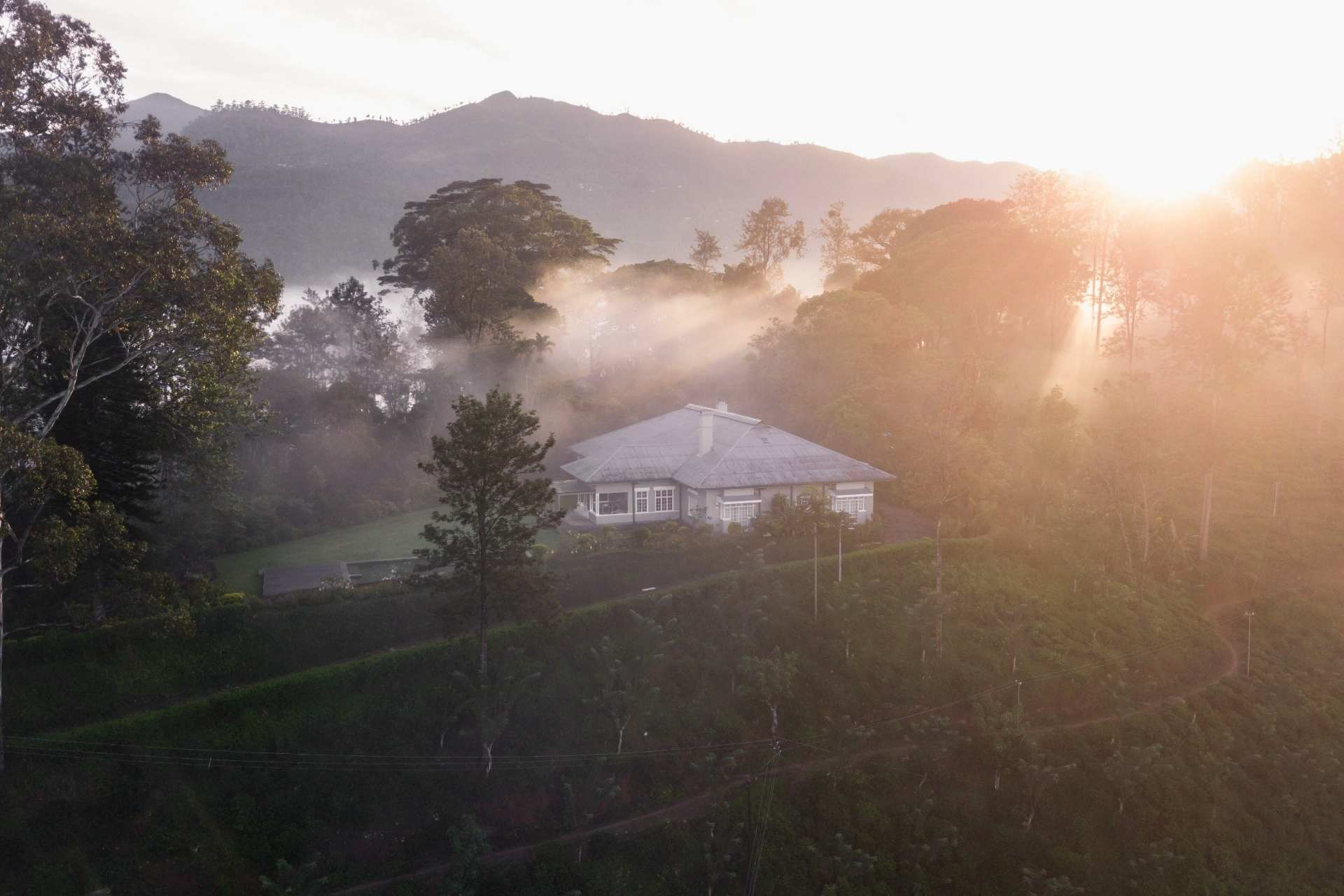
Whole sections of the forest would get covered in mist as the sun steamed the rain off of the leaves.
Viewed with a coffee from your balcony? Magic!
So… Would I Recommend It?
In a heartbeat.
Yes, peak season has the bonus of more active wildlife and less rain. But the off-season is still absolutely worth considering. Even if you’re restricted to travelling in school holidays, Easter and October half-term deserve a good look-in. It’s quieter, easier to plan, and often easier on the wallet. And crucially, you’re not sacrificing any of the wow-factor.
After all, you might just get the elephants all to yourself, too!
Explore ETG Itineraries in Borneo
You may also like