

Chiang Mai, Around the Edges
Chiang Mai is well documented online, yet people often picture a sleepier city than the one that exists today. Sam looks past the standard trail and shares it through an ETG lens, uncovering the places just an inch off the map and in its rural surrounds.

ETG co-founder Sam Clark re-examines Chiang Mai’s four classic draws: Lanna culture, elephants, community, and food. From early-morning temple walks and hands-off sanctuaries to a private garden kitchen in the countryside, he shares how to experience the city around its edges, and how long to give it.
So much has been written about Chiang Mai, often by armies of MacBook-clutching digital nomads drawn by the gentle climate, the laid-back pace and easy access to the mountains of the north.
Even so, we often find our travellers arrive with a picture of Chiang Mai as a quiet little backwater: quaint hill tribe villages, wild elephants wandering about and sleepy monks pouring out of the monasteries. What they find instead is a busy, working metropolis, the modern second city of a fast-changing nation. And yet it has kept some old virtues. It is still relatively low-rise; inside the moat, new buildings are capped at 12 metres and must follow Lanna style. The monks are still there too, walking the morning alms round and studying the region’s distinctive Buddhist culture in depth. The real pleasure of Chiang Mai is how closely these two worlds, the modern city and the old one, are bound together.
So I thought I’d talk a little about the lens we bring to Chiang Mai. It won’t mean discovering something everyone before you has missed, but it does mean looking a little around the edges.
Typically, Chiang Mai is explored through four areas: Lanna culture, elephants, communities, and, of course, food.
Lanna culture and temples
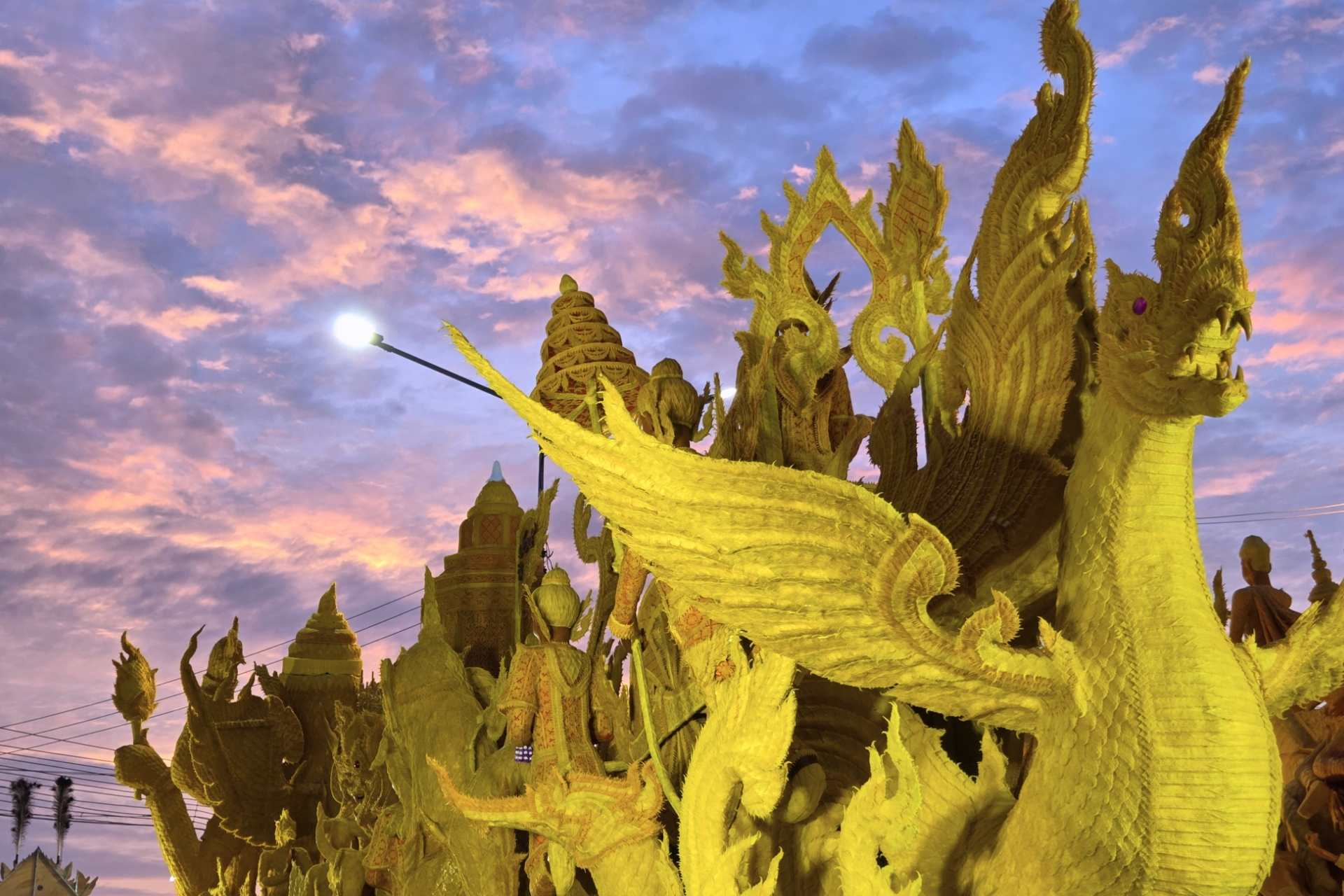
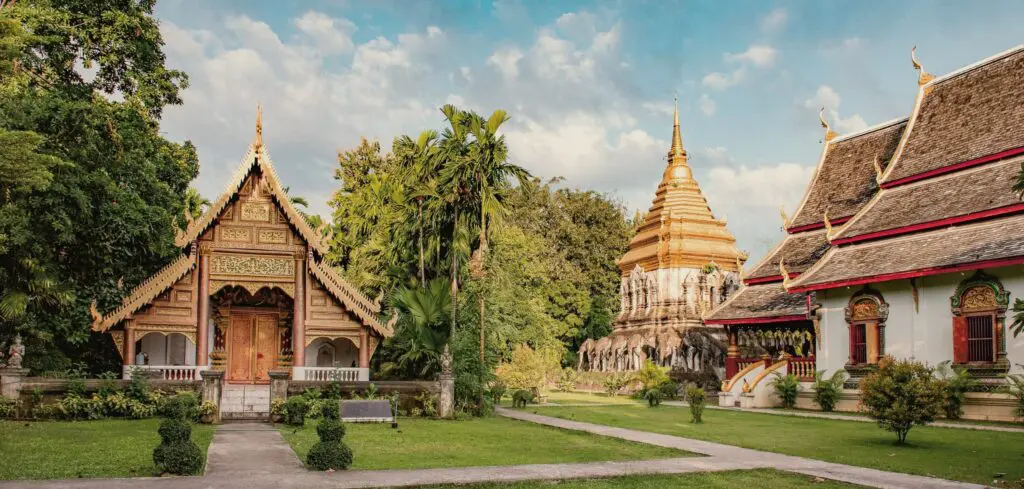
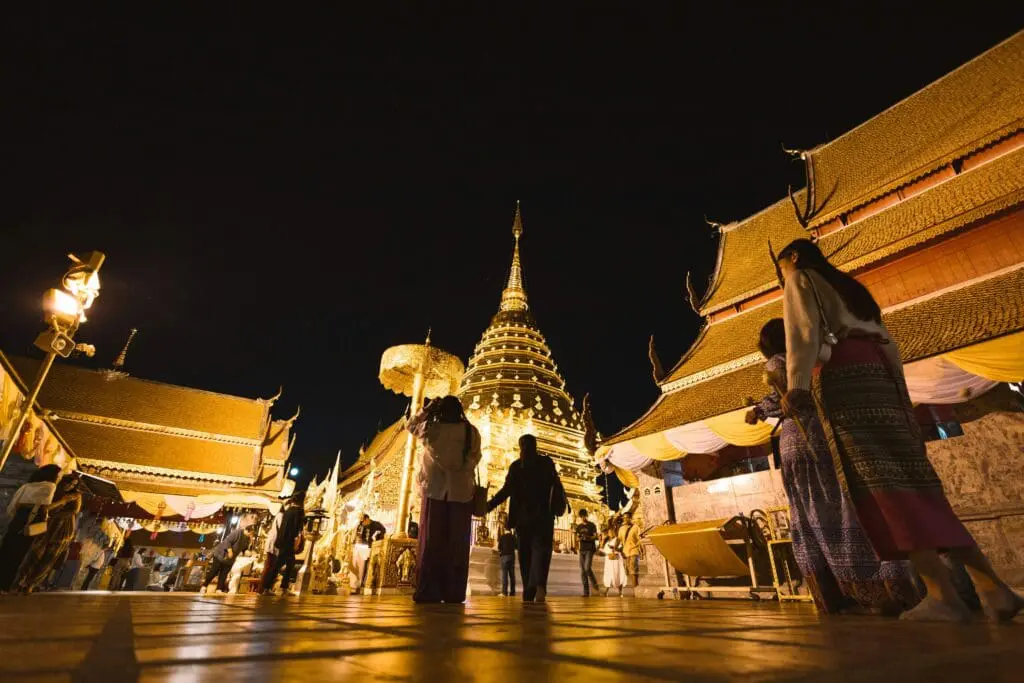
Lanna culture is strong here, shaped by the Mon and Sukhothai kingdoms to the south and by the many peoples who settled in the hills after coming down from China and the north, known collectively as the ‘hill tribes’, a term best used carefully and loosely. The Lanna kingdom dates from the 13th century, and the 30 or so temples of the Old Town bear fairly extravagant witness to it, as do the sleepy awnings and carved wooden architecture of the older houses, echoed in many of the newer hotels.
Any of the temples will reward some exploration, ideally in the cool of the early morning. My favourite is thirteenth-century Wat Chiang Man, the oldest and most venerable in the city, yet somehow quieter and less visited than Wat Phra Singh and Wat Chedi Luang, despite the tiny but powerful presence of its Crystal Buddha, said to predate the temple by a thousand years or so.
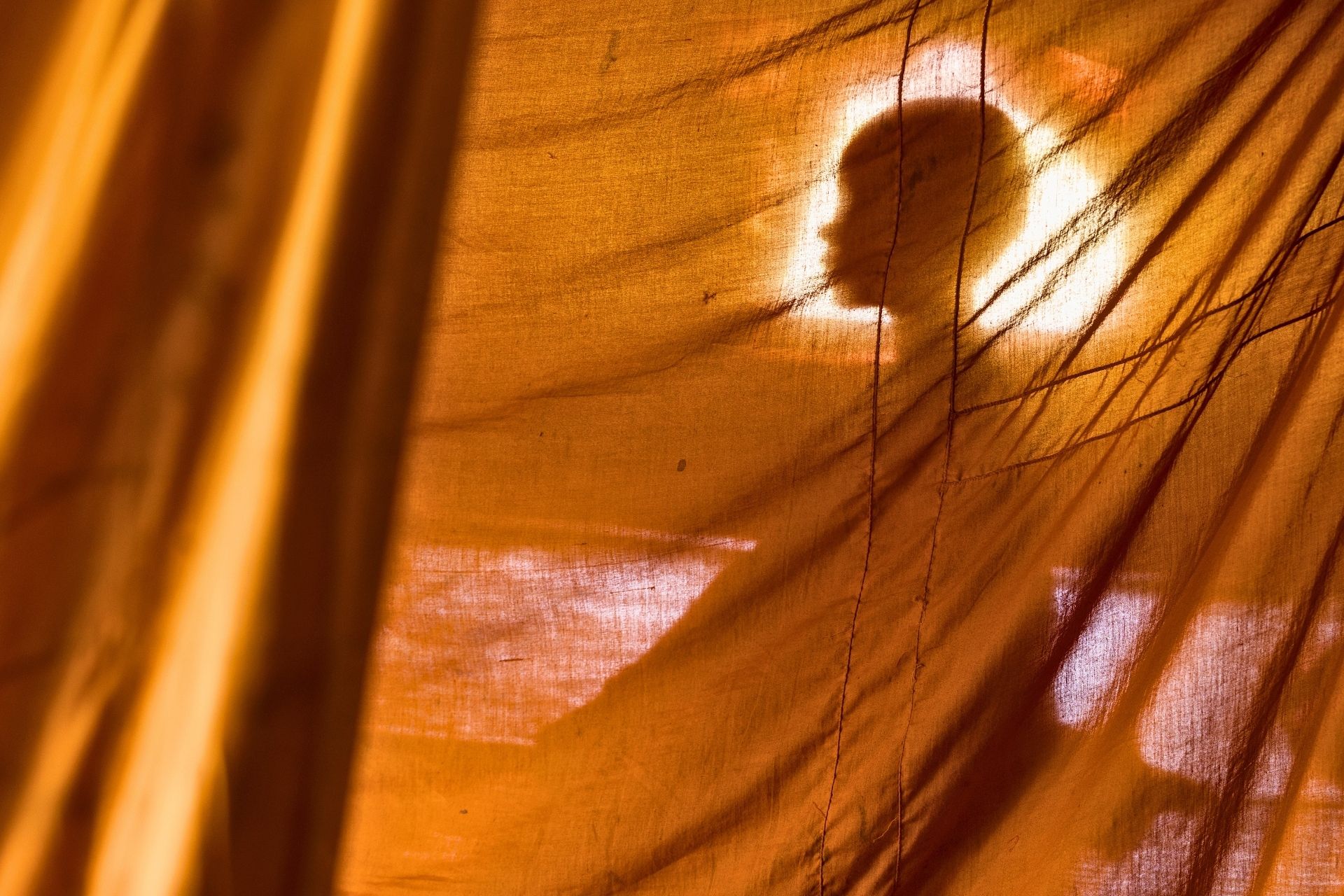
Buddhism is every bit as present, though it isn’t Lanna in origin: its roots in Southeast Asia go back into deep antiquity, to the Indian merchants and holy men who carried it east (William Dalrymple’s superb The Golden Road tells that story well). The old moated city has long been a centre of Theravada learning. Tak bat, the morning alms round, is less arresting than in Luang Prabang, but the sight of student monks receiving offerings before the day’s study sets the tone for an early-morning walk.
At first light, a stroll past the empty street food carts and the traders preparing for a day’s business, with the joggers circling the moat, brings the city’s ancient and modern rhythms to life.
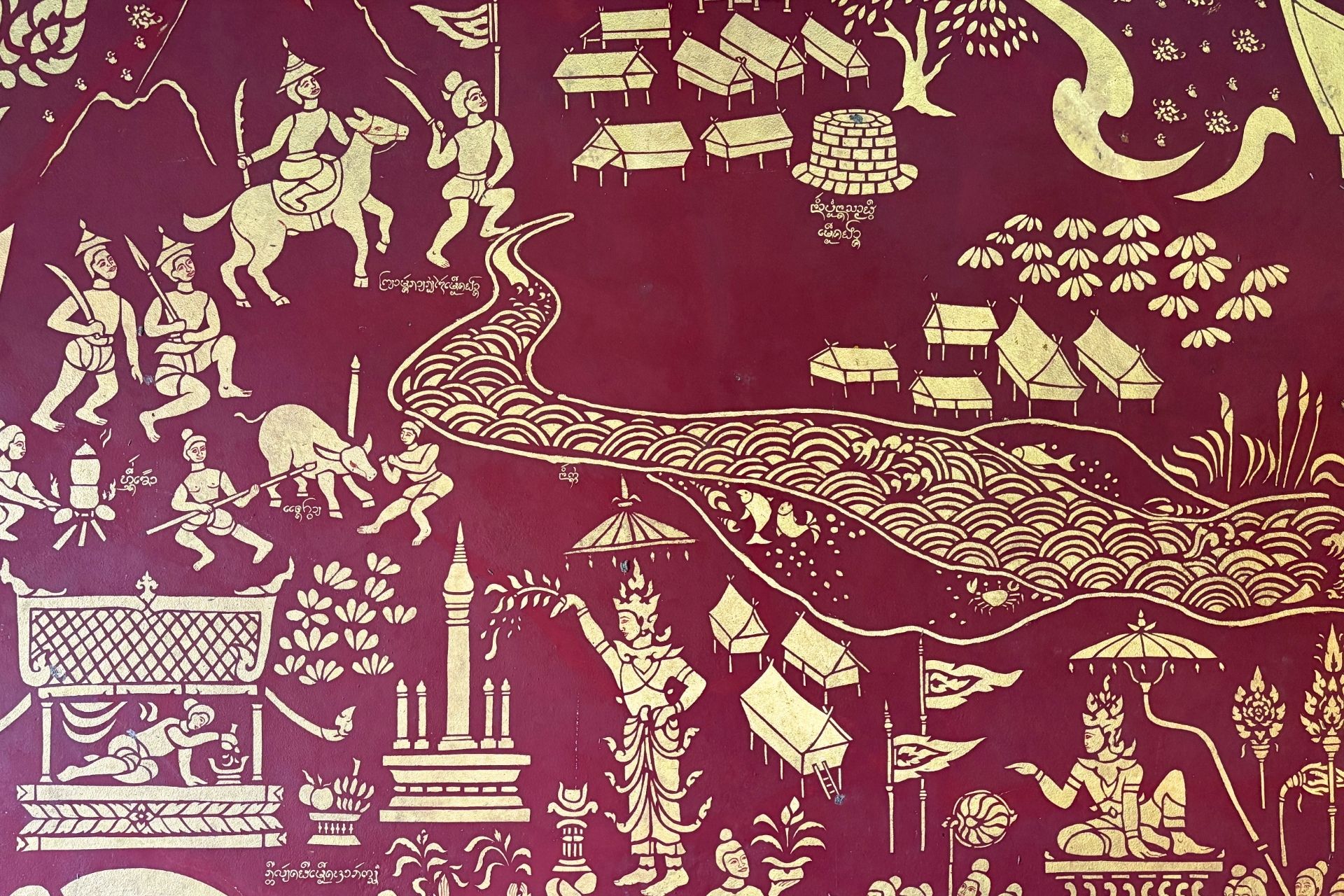
Traditional Lanna motifs, stencilled in gold on red, inside Wat Chiang Man.
Elephant sanctuaries
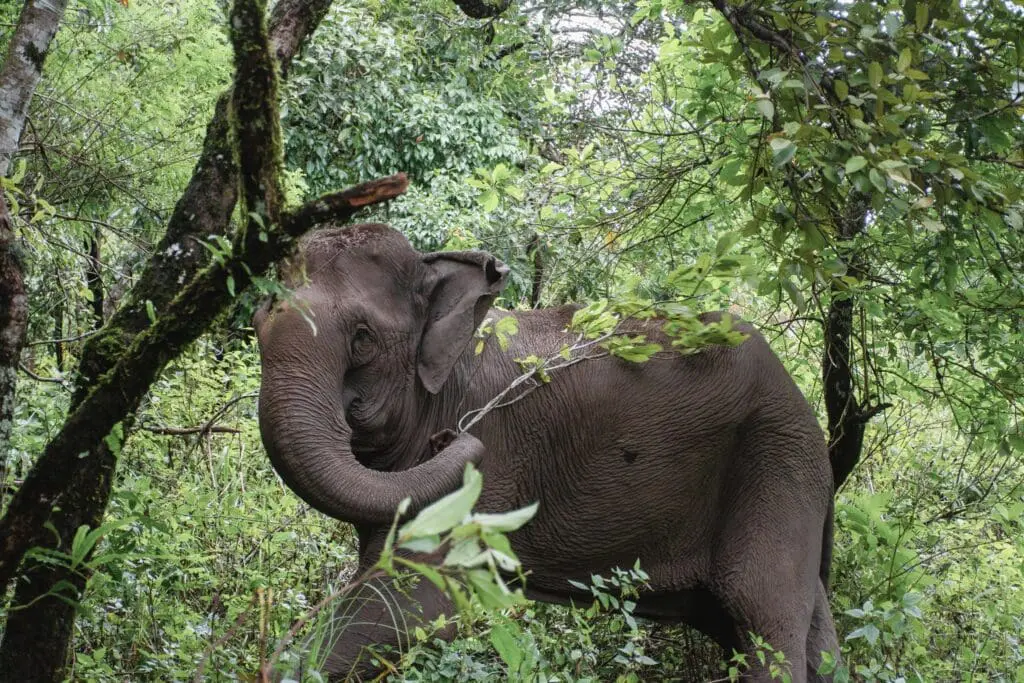
Elephants are a natural draw. The wild elephant in Thailand is under severe threat, but Chiang Mai remains a good base, and ethical standards have improved enormously in recent years, driven by what travellers have demanded.
ETG works primarily with ChangChill, a strictly hands-off sanctuary, and my colleague Melissa has written an excellent rundown of the issues and options in the area.
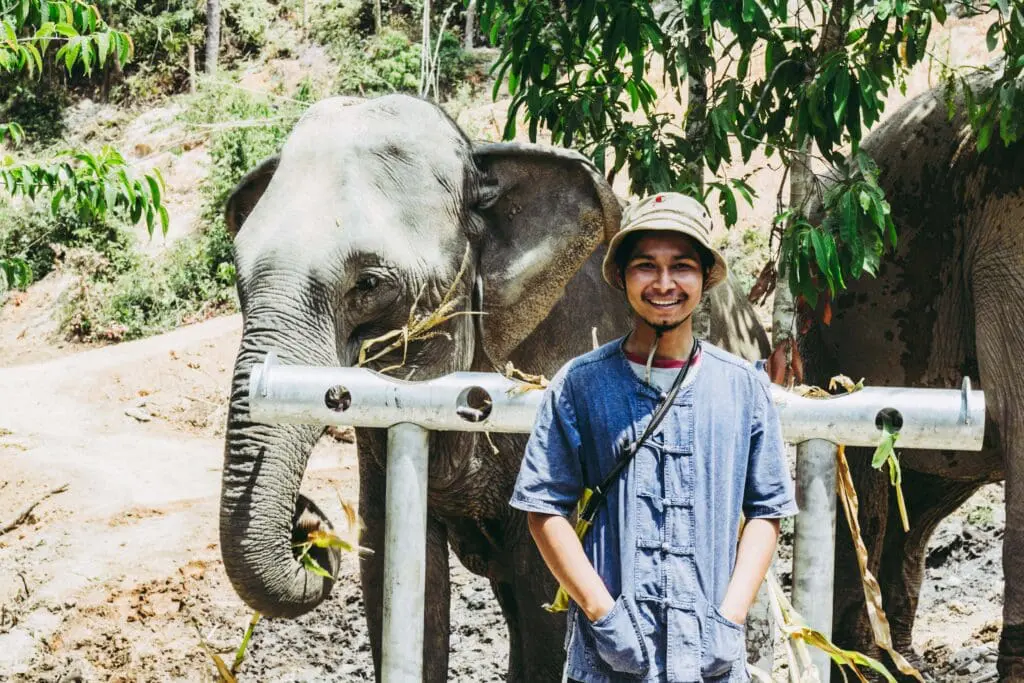
Credit: ChangChill Elephant Sanctuary
Communities
Now, on to the communities. The days of awkwardly watching a hill tribe ‘village’ perform for you are largely past (though it does still happen), but don’t let the horror of that kind of experience put you off the idea entirely. The Chiang Mai region is an important centre for craft and farming, and tourism done well can be illuminating and rewarding and, importantly, can protect and enrich the crafts and communities themselves.
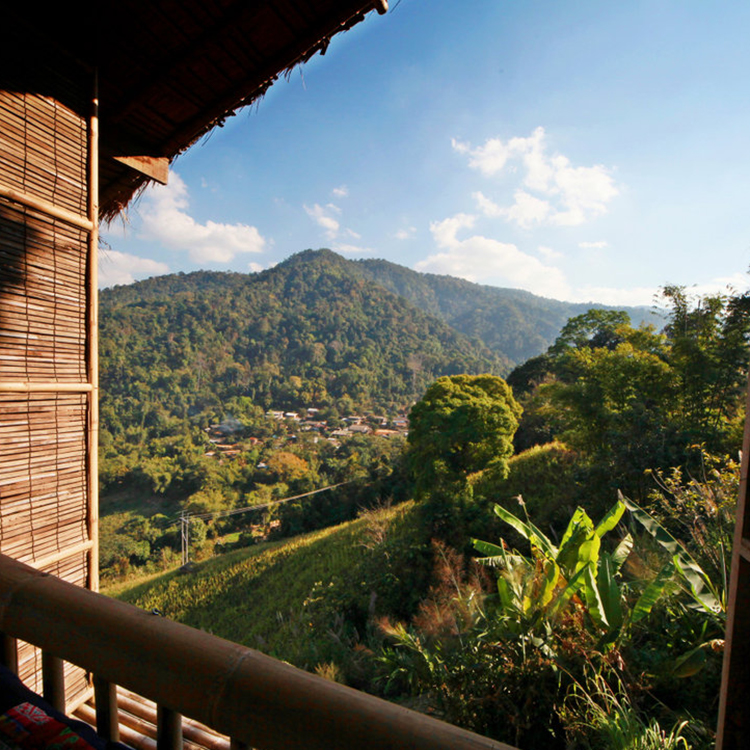
We work with a lodge in the region that sits within a wider community project. You stay as part of the community, but this is a high-end stay, very comfortable indeed, and the community is part of it, not a performance laid on for guests. It does exemplary tourism in both senses, bloody enjoyable for guests and positive for the people around it.
We also take travellers to an organic farm cooperative outside the city, where there are gentle walks through glorious scenery, and visitors are introduced to traditional country cooking and modern farming techniques used in harmony with ancient traditions. For both, tourism is an additional revenue stream, never the main one, which is critical to the communities’ resilience and to the long-term health of what they offer.
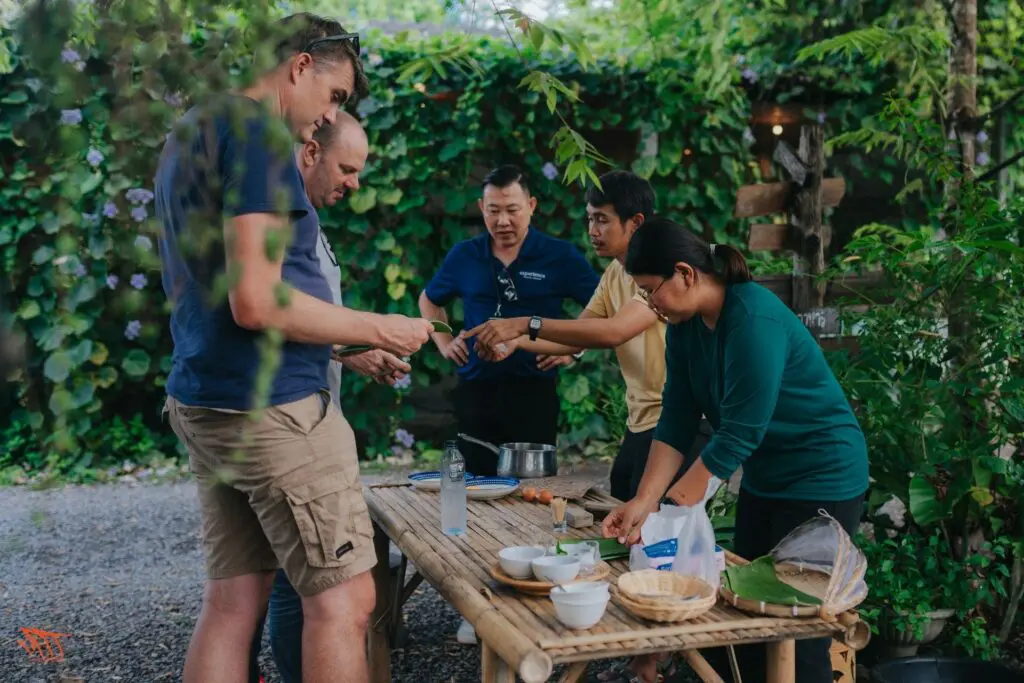
ETG co-founders Sam and Tom at the farming cooperative
Food
And then, there’s the food. Who wouldn’t want to come to Chiang Mai to explore northern Thailand’s distinctive Lanna cuisine? The staple is sticky rice, rolled by hand and used to scoop up the region’s chilli dips: nam prik ong, a pork and tomato relish often described as a northern Thai Bolognese, and nam prik num, pounded from roasted young green chillies. There is sai ua, the grilled pork sausage packed with lemongrass, galangal and kaffir lime, and kaeng hang lay, a slow-cooked pork curry made without coconut milk, which owes a good deal to neighbouring Burma.
Then there is the famous khao soi: curried noodles in a rich coconut broth, topped with a nest of crispy fried noodles and served with pickled mustard greens, shallots and lime. Strictly speaking, it isn’t Lanna at all. It came with the Chin Haw, Chinese Muslim merchants who traded through the north in the 19th century, which is why the traditional versions are made with chicken or beef and not pork.
Chiang Mai has no shortage of cooking schools, and they are one thing. A private experience is another altogether. I dislike cooking-station classes with Thai green curry on the menu, so we take travellers to a chef in the countryside just outside the city for a private cooking class or chef’s table, usually hosted in her purpose-built garden kitchen, where you pick the herbs before you cook with them. It has been my privilege to eat two of the best meals of my life there. (No, I’m not naming her either.)
In town, Palette at 137 Pillars House is more rarefied, and the setting does as much as the food: the hotel’s original 1880s teak homestead, once the northern headquarters of the Borneo Company, where you can almost hear the guffawing from the old hands of Burmese teak trade as you sip your G&T on the veranda. Its kaeng hang lay is made with lamb in place of the usual pork.
Good food is plentiful at every level, and the city has a fair number of Michelin Bib Gourmand restaurants. But you’ll usually find me at the Isaan BBQs. Isaan food is from the northeast, not the north, but Chiang Mai has some cracking Isaan places, particularly the street-food-style grills: down-and-dirty, delicious, spicy, fiery, and salty. Bliss.
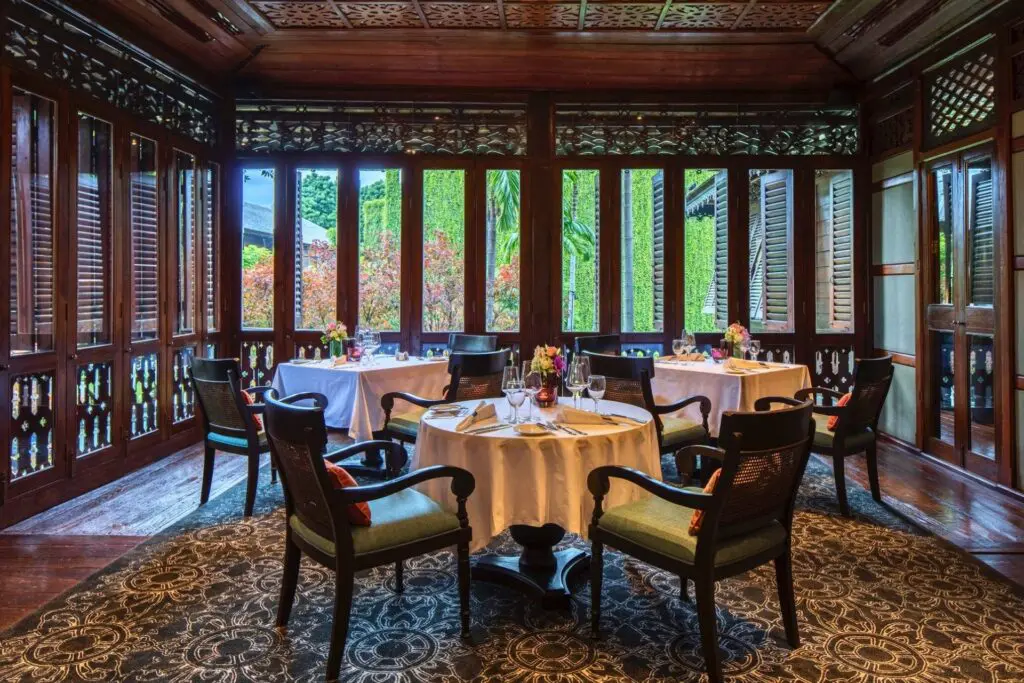
Palette restaurant at 137 Pillars
How long to spend in Chiang Mai
At least three nights, and I would suggest a couple more if you can.
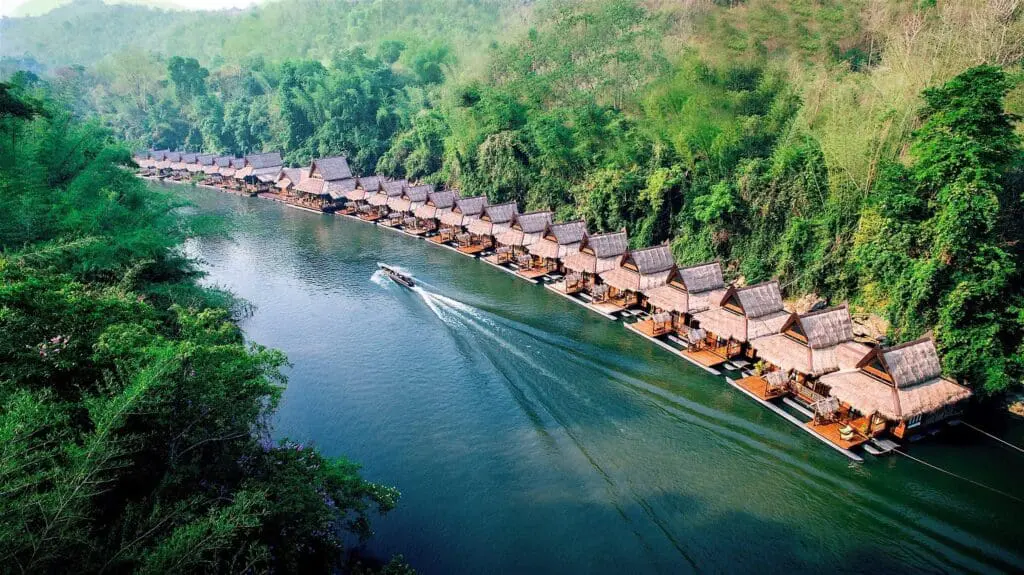
Three nights gives you time for an early-morning walk, time to explore the street food, the old town, and a few of the beautiful historic temples, as well as time to poke around on your own. A chef’s table is a must for those who book with enough notice, and there would be an evening at one of the riverside restaurants, doing as the Bangkokians do when they come up on holiday, and perhaps a day walking with the elephants at ChangChill, too.
Add time to explore the countryside around the city as well, and it becomes a four-night destination. Better still, add two nights out of town for contrast, at the lodge I mentioned earlier: only 45 minutes from the centre but a world away from it. This is a region that pays off five or even six nights of slow travel.
If you’d like to see how we put Chiang Mai together with the rest of the north, A Flavourful Journey Through Thailand is a good place to start.
Where to stay in Chiang Mai
Where to stay is a choice between two very different hotels.
137 Pillars House is a paean to a bygone age.
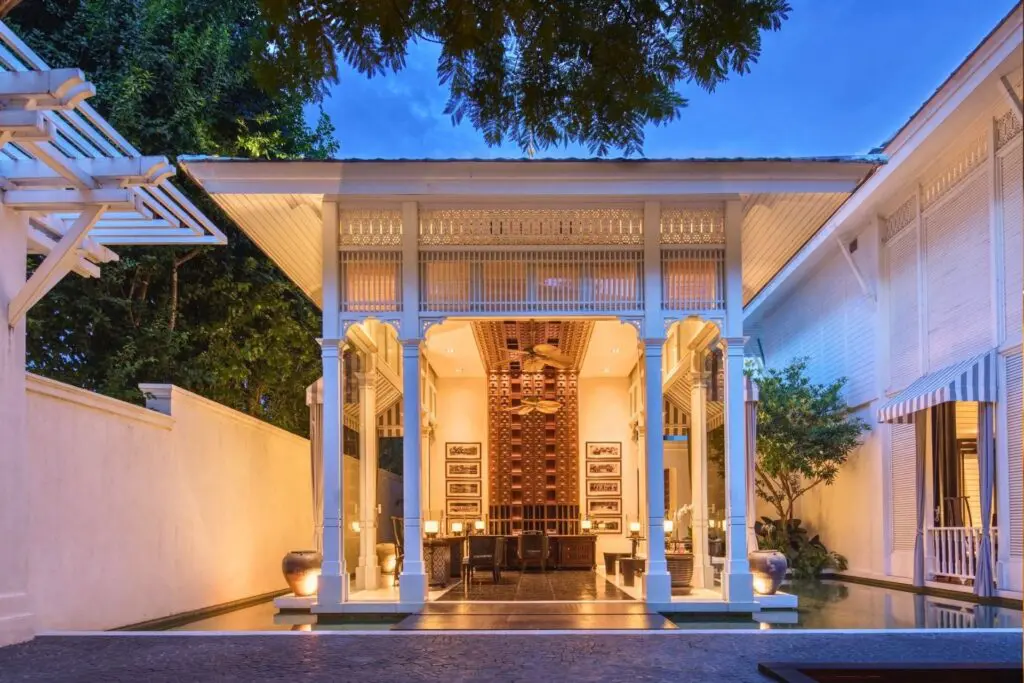
Credit: 137 Pillars House Chiang Mai
Raya Heritage, on the banks of the Ping River just outside the centre, goes the other way: modern and minimalist, almost Scandinavian, with a nod to its Lanna heritage and spacious balconies looking out over the river.
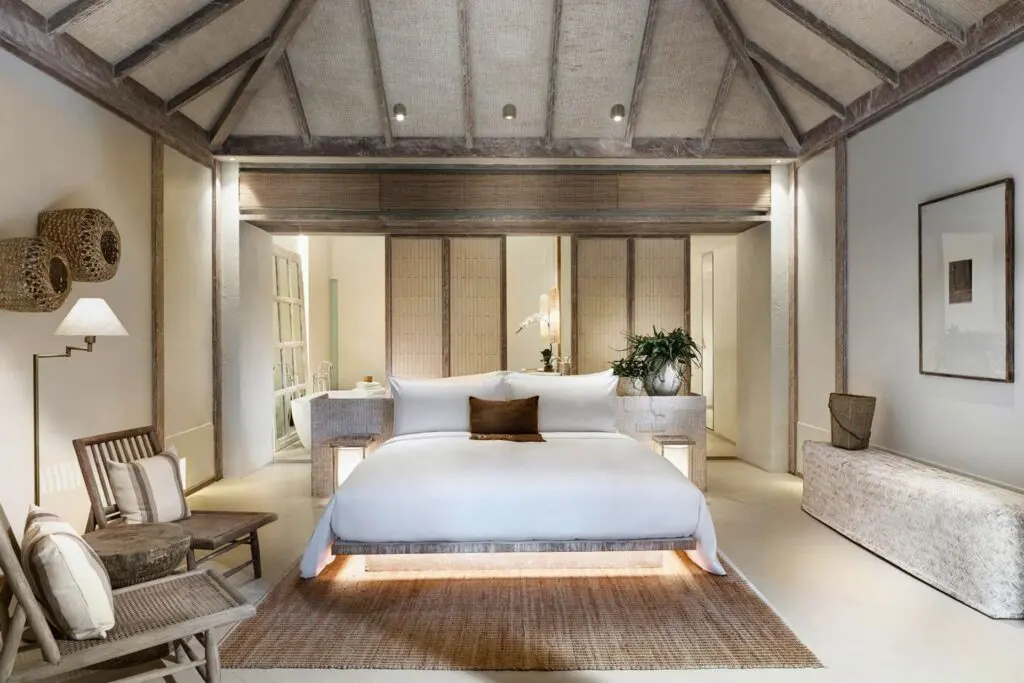
Credit: Raya Heritage Hotel
Explore Our Thailand Holidays
They offer a view into Northern Thailand and beyond; a theme, a route. There’s much to discover. Dive in.



Take the Next Step with ETG
Our knowledgeable team with deep regional insight, strong local partnerships, and first-hand experience, are expertly placed to design your holiday experience in Thailand.

You may also like