

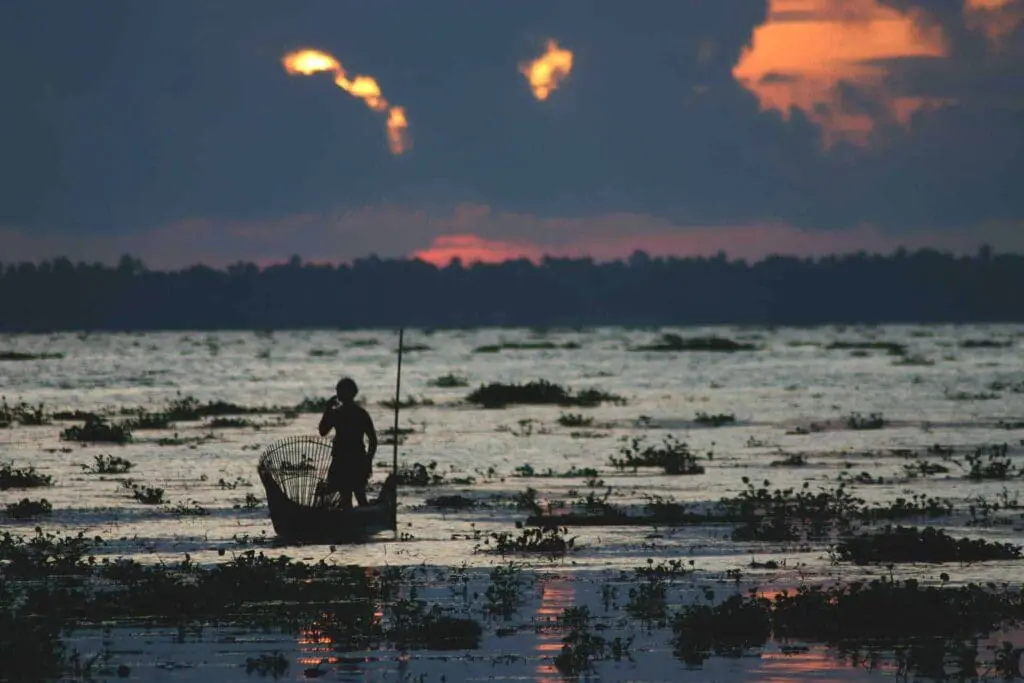

The waterways of northern Kerala and intricate winding ones around Alleppey and Kumarakom are some of the biggest attractions in India, and for good reason: both offer fantastic experiences for travellers.
However, not many people know that the two bodies of water are over 300 kilometres apart and quite different in terms of atmosphere, scenery and pace of life.
So we decided to compare the two to help you decide which Kerala Backwaters experience you’re after – it may well be both…
Let’s start with some context. The backwaters around Alleppey and Kumarakom comprise of an intricate series of streams and canals (around 1500km in total) across the West Coast of Kerala stretching out from a broad, beautiful lagoon known as Lake Vembanad.
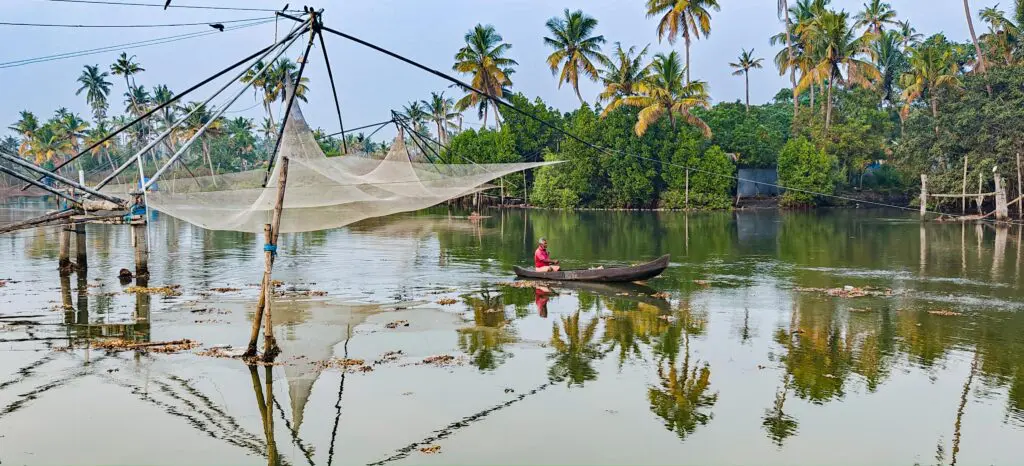
The Northern ‘backwaters’ or waterways are located near Valiyaparamba just inland from the Arabian Sea.
Though tourism to the backwaters is booming, it doesn’t dominate the area: local commerce is thriving, with fish, rice, coconuts and mussel shells being just a few of the main exports.
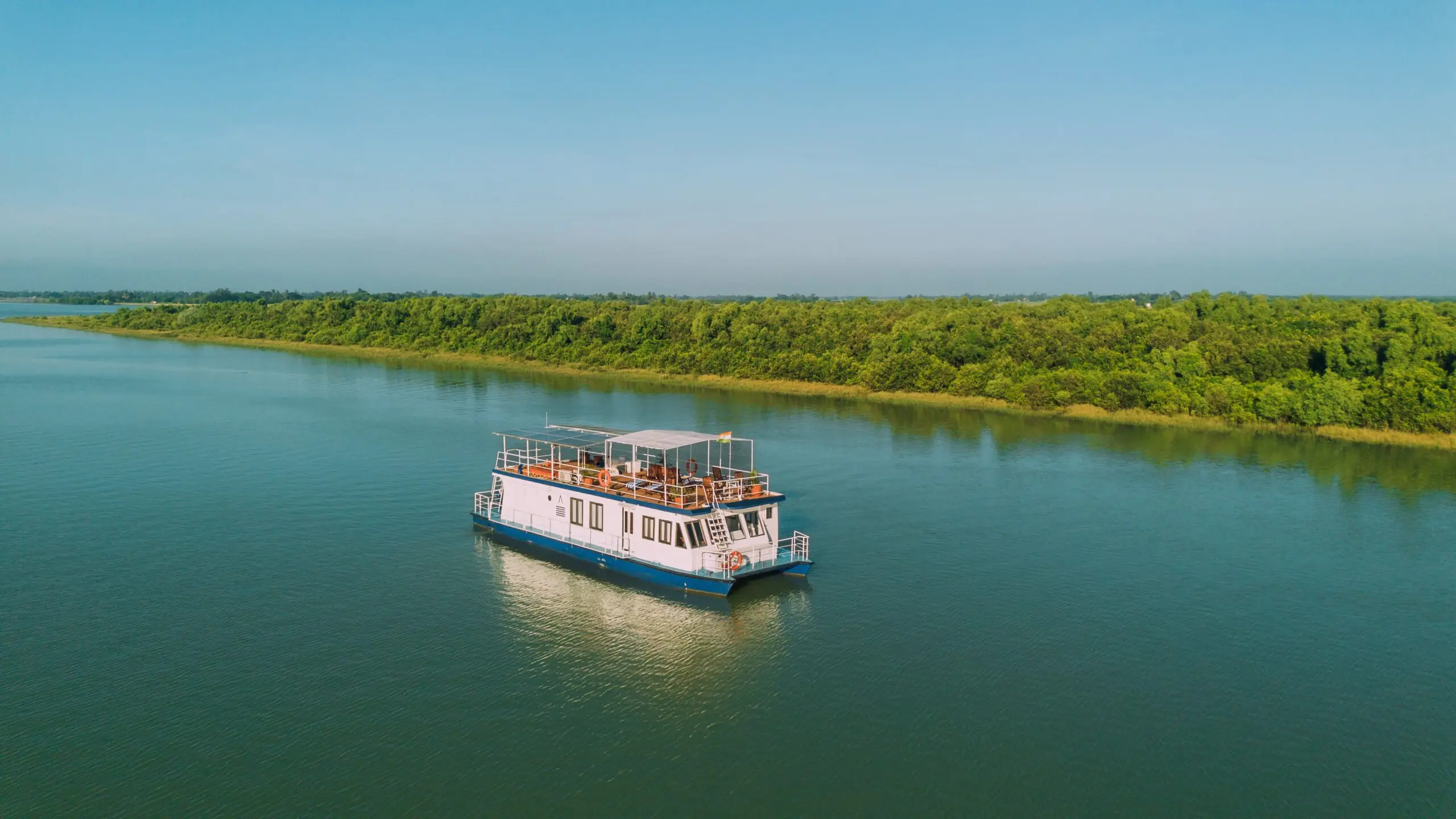
Additionally, there are a huge number of houseboats that are inhabited mainly by locals but also serve as tourist accommodation.
Here we highlight several distinguishing features of the two areas that form the Kerala backwaters.
If you fancy experiencing both central and northern backwaters, we’d recommend having 2 or 3 nights in a property or boat in the central area before travelling north for one or two nights on a houseboat up there.
Of course, feel free to contact one of our travel experts should you have further questions.
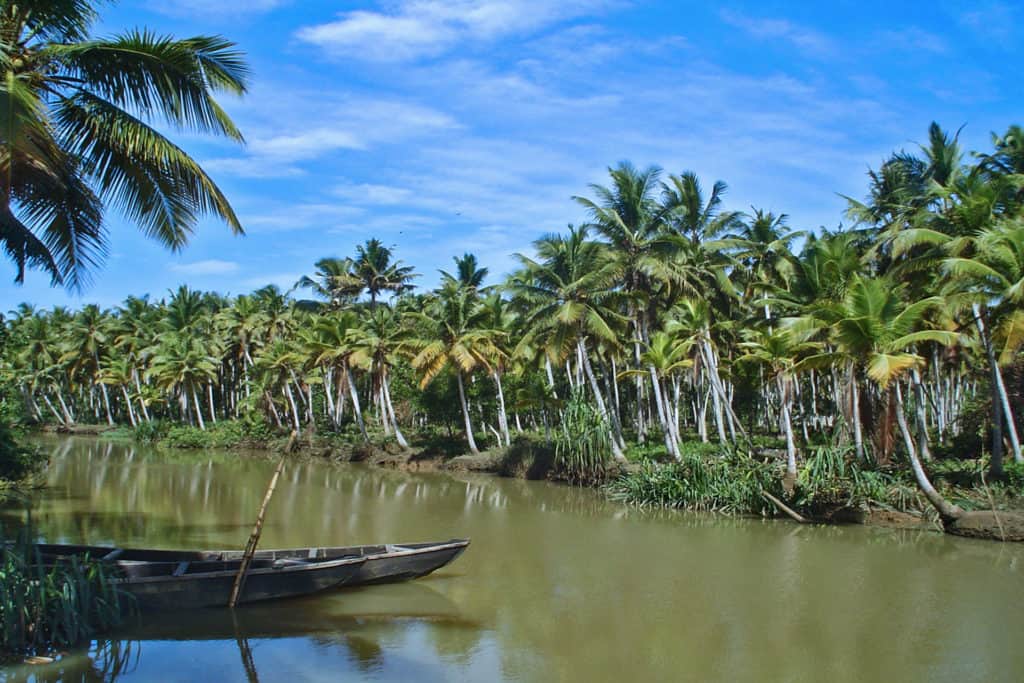
Northern Waterways (Valiyaparamba) – Northern Kerala is generally lesser visited than the South, but offers many similar experiences- wildlife, markets, tea and spice plantations and more.
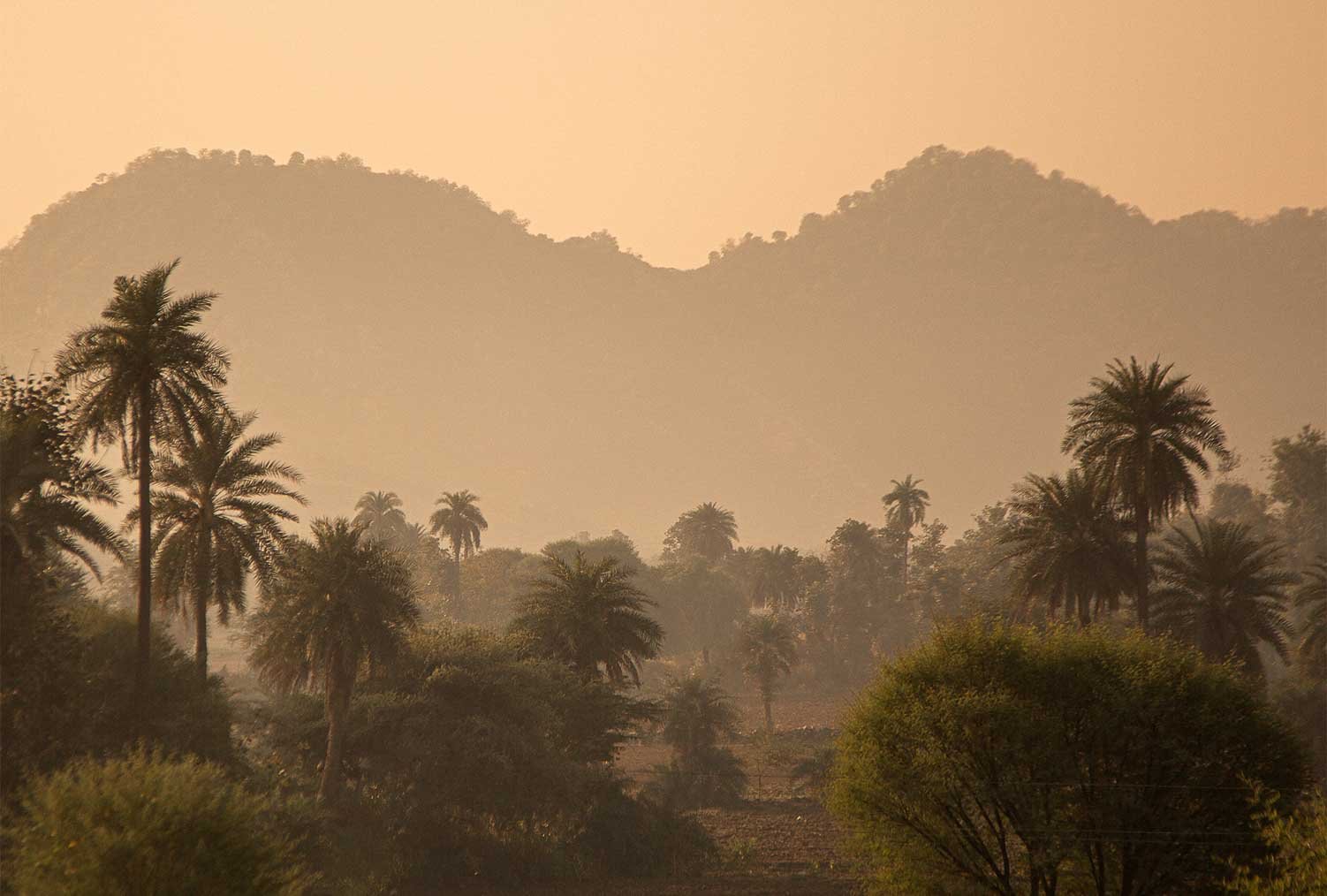
The same is true of the Northern waterways, which are quieter and much less visited by tourists. It is truly idyllic: with a wide channel and just one or two narrower routes and evocative palm-fringed scenery, the experience is much more about enjoying the area’s natural beauty and relaxing with great sunsets.
Tourists will encounter less interaction with locals as villages are set further back from the river banks, and there is less industry; the Northern area is much closer to the sea than the south, hence the water is salty and towns and villages don’t rely on it for cultivation.
The proximity to the ocean also means there is easy access to lovely beaches.
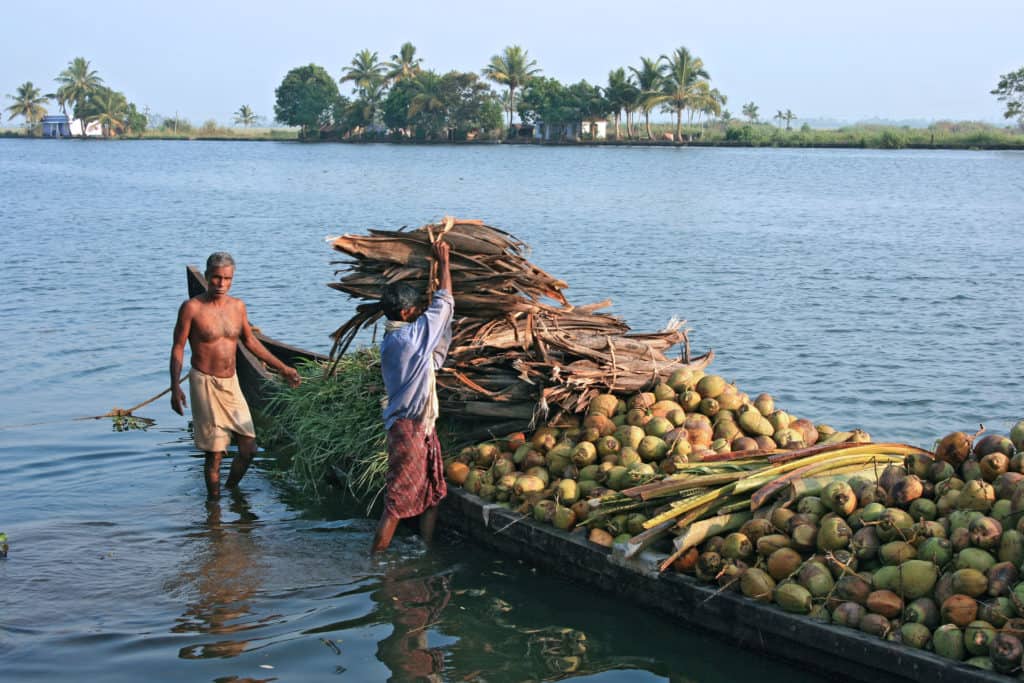
Central Backwaters (Alleppey & Kumarakom) – This is the most well-known area of the backwaters. The Central Backwaters are busier, with more boats (of both tourists and locals), narrower channels and more working industry.
The experience here is more about understanding the culture of the Backwaters, interacting with locals and gaining an insight into village life.
If you want to discuss your next holiday to India with one of our travel experts, do get in contact on 020 3642 9989 or send an enquiry.
Sample itinerary ideas in India









You may also like