


How does northern India’s climate differ from elsewhere
It is important to check the weather when planning any trip to India, especially as the country is so vast that northern India has different weather to the south, east and west.
There is one distinct monsoon period from June through to September and, broadly speaking, you can visit most areas from October through to March and have a good chance of decent weather.
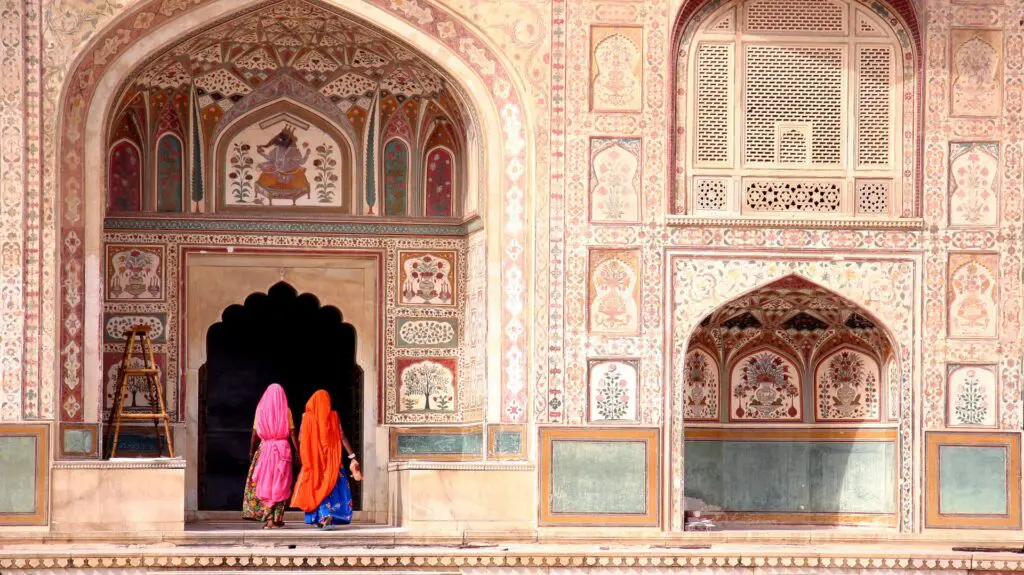
Rajasthan has a dry heat, especially to the west into the Thar desert and the Aravali Hills, and temperatures during peak season are in the high 20s (degrees Celsius).
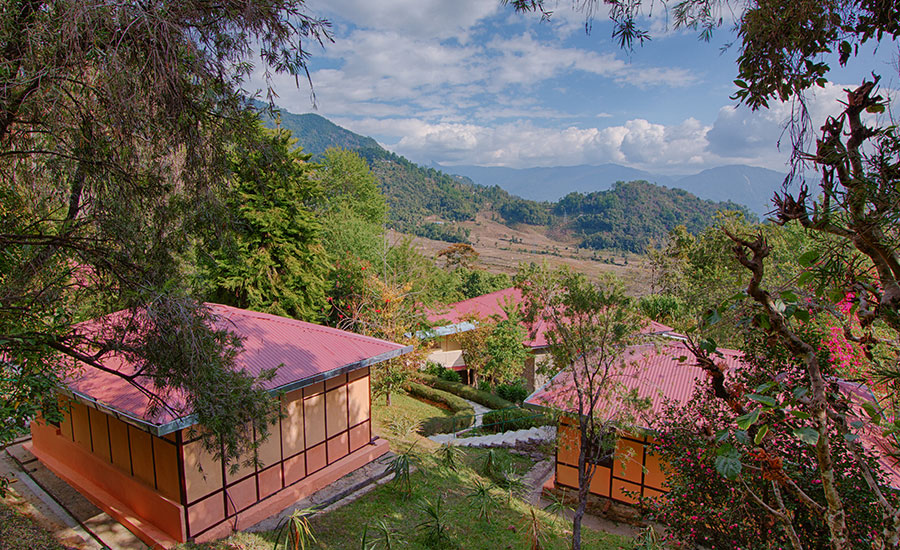
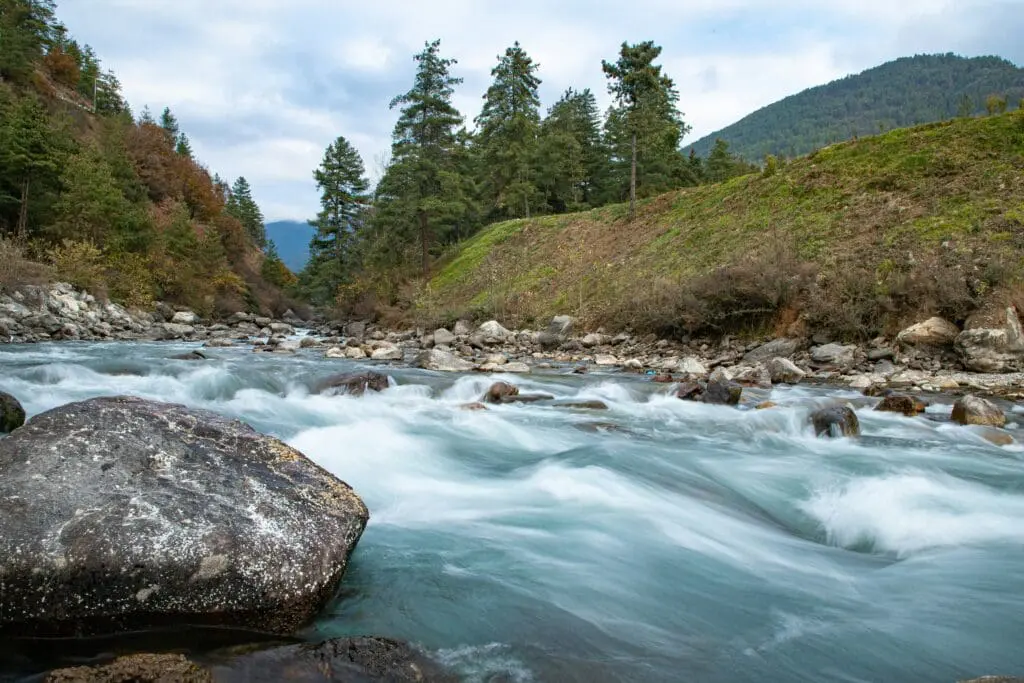
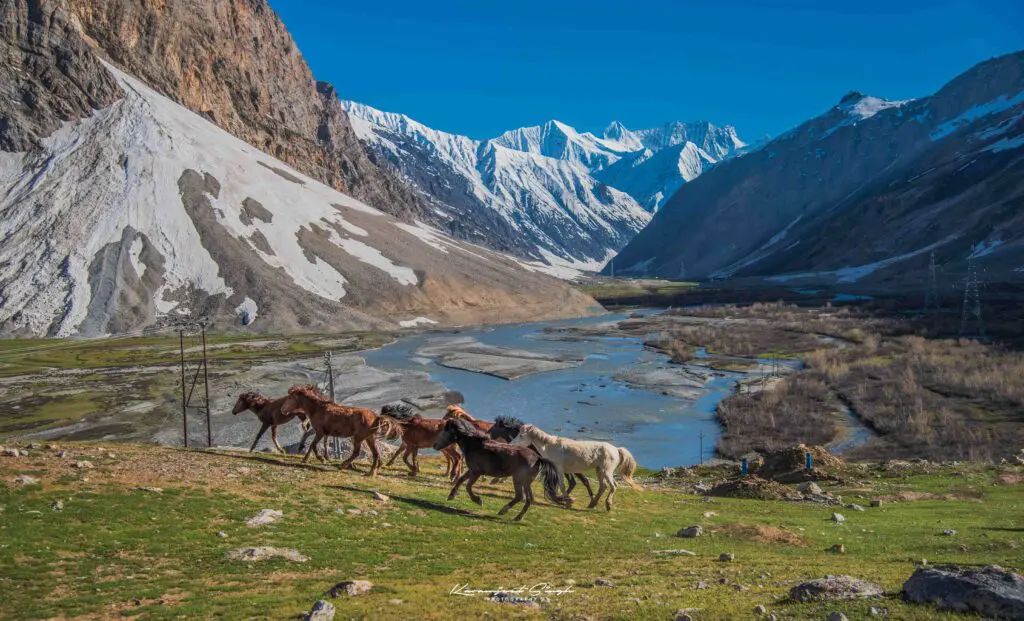
Further north into the foothills of the Himalayas, there is a cooler and more temperate climate.
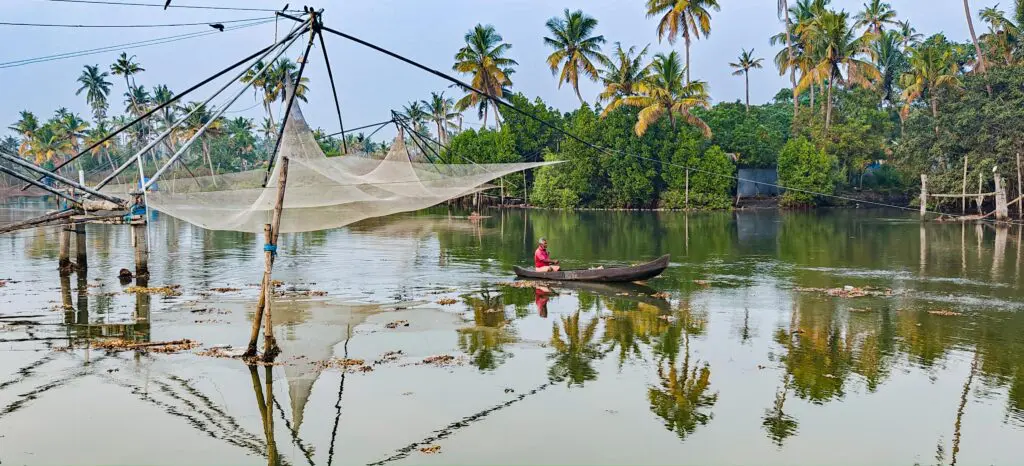
In South India, in popular beach regions like Goa and Kerala, the climate is more tropical, with higher humidity and temperatures in the early 30s (degree Celsius) – but the breeze off the coast helps!
Tamil Nadu, also in the south but on the east coast, has another later monsoon in October; the first is relatively gentle and its second is stronger.
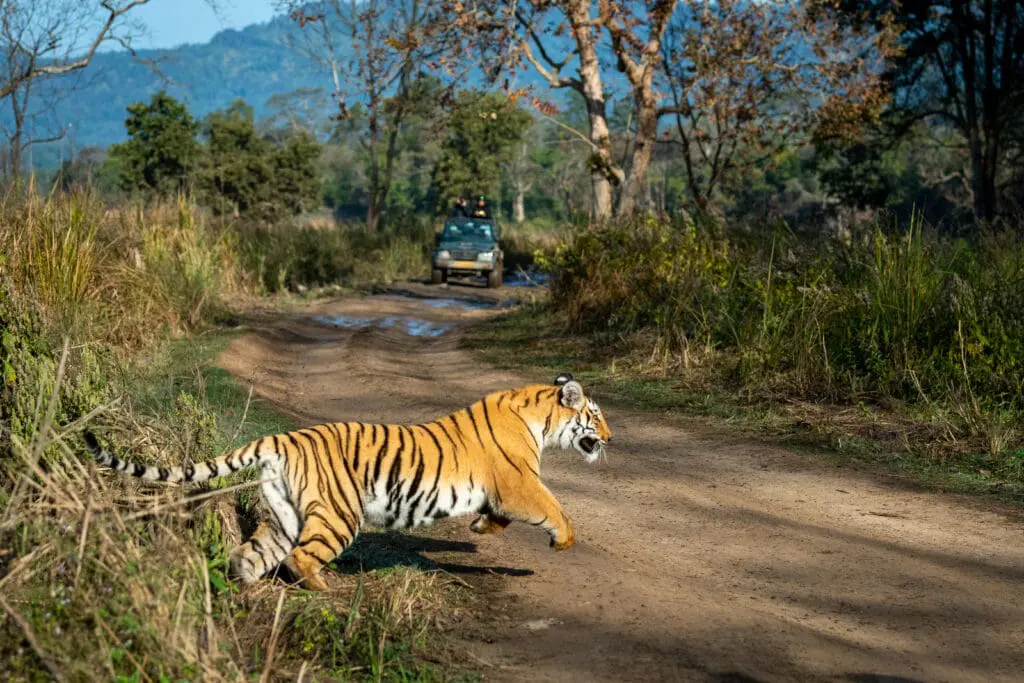
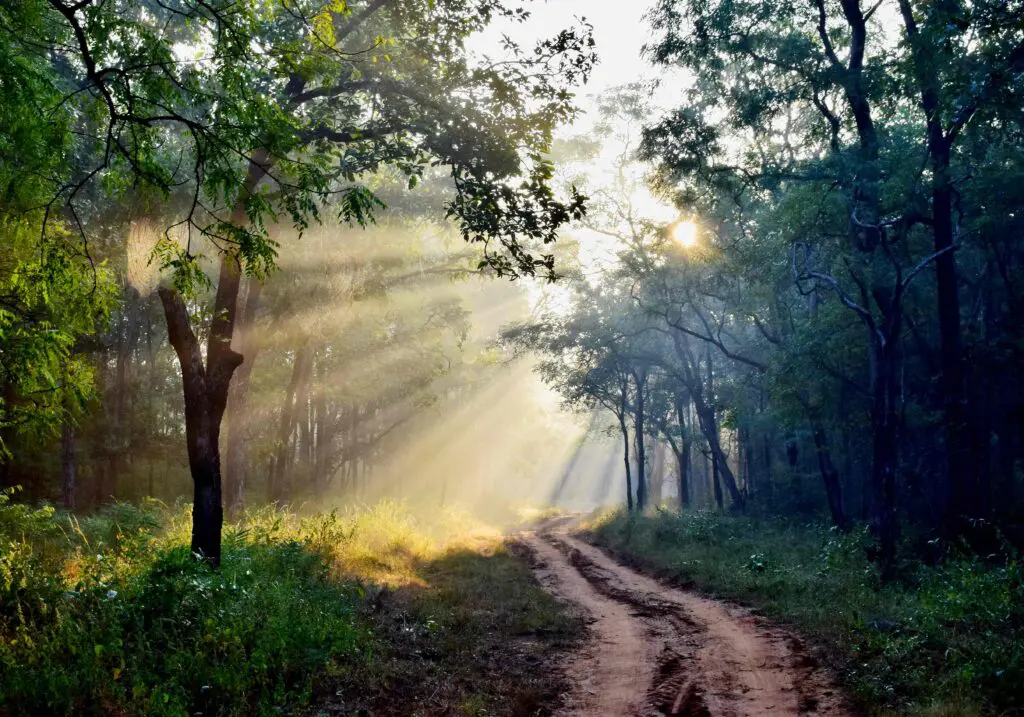
Central India, a region with many national parks, has warm days in the high 20s but chilly mornings and evenings from November to February – so layer up on those early morning game drives!
Visiting northern India at different times of year
Timing is everything when planning to travel to northern India, as the three seasons each offer a different experience.
Summer
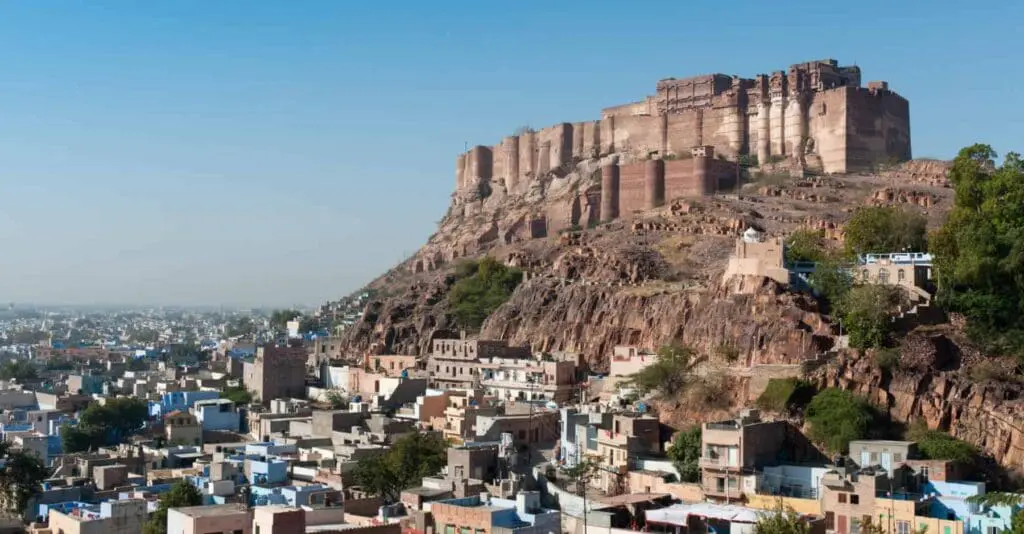
Rajasthan’s summer starts mid-March to June, and is hot and stick: the temperature gradually rises then ranges from 30 – 45ºC.
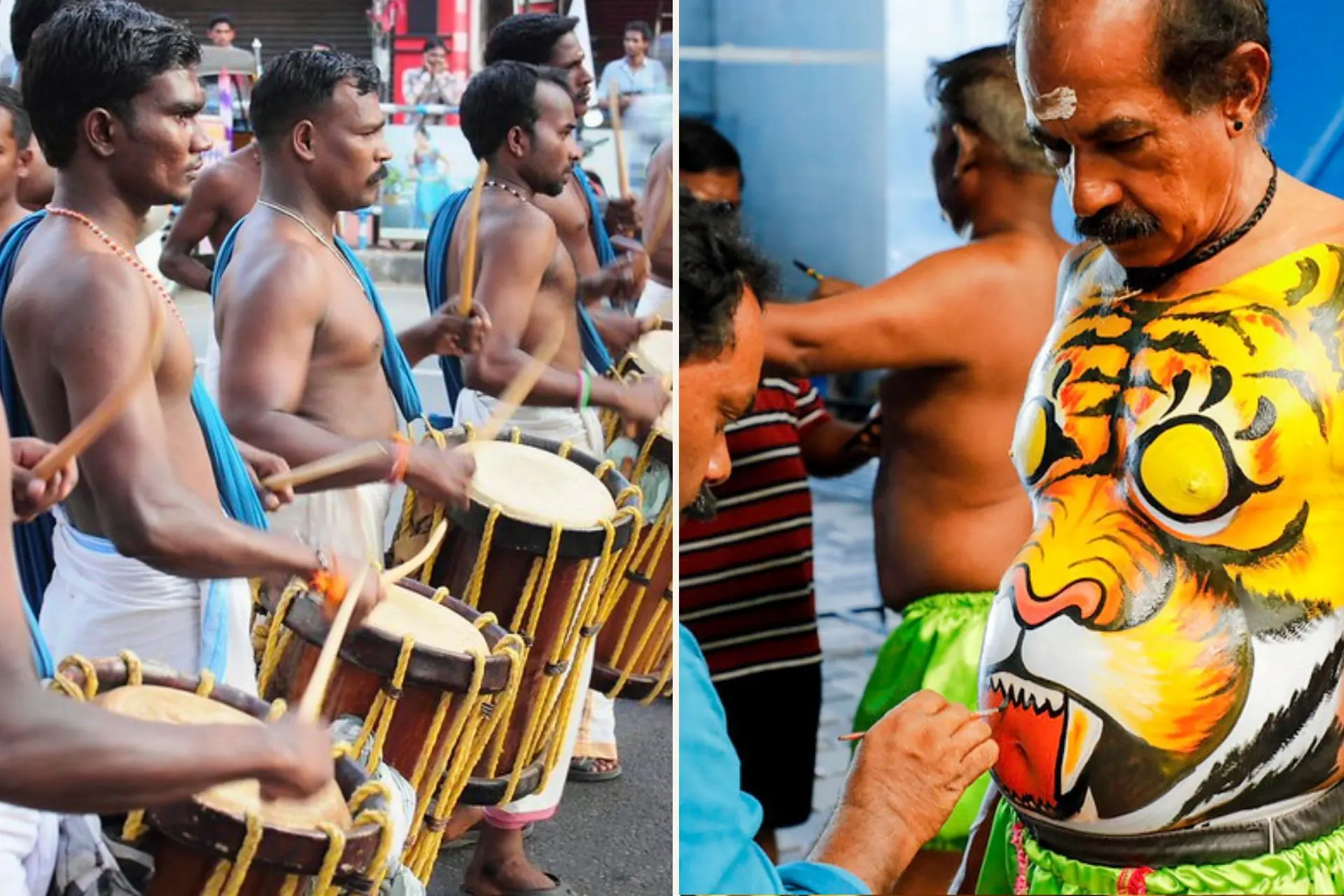
For those not averse to heat, the pre-monsoon storms in April are spectacular; they build up through the day and climax with a dramatic lightning display! One of the most colourful festivals, Holi, happens in India in March.
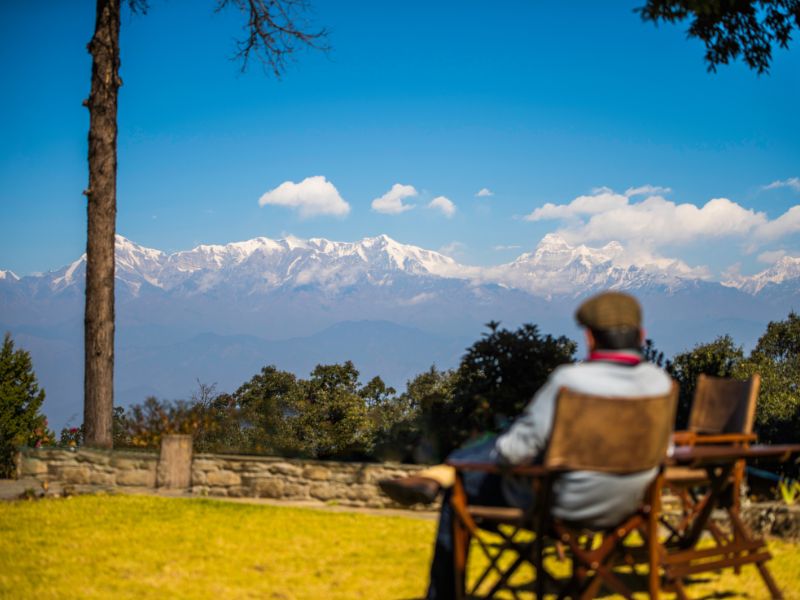
Further north into the Himalayan Foothills, and the hill stations, summer is mild with temperatures in mid-20s but cloudy which obscures the view.
Monsoon
From June through to September, the monsoon rains bring a relative drop in temperature to the mid-30s.
The start of the monsoon is more dramatic with deluges on scorched hard earth from the summer. July and August are the wettest months.
But come September, the monsoon has almost blown out, the showers are lighter and more predictable, so it’s actually a great month to visit Rajasthan.
The lakes are full, the hills are green and lush, hotels have favourable rates, and the best part is there are so few visitors you’ll have it almost to yourself!
The foothills receive a lot of rainfall over the monsoon, there is cloud cover throughout the day which also obstructs the view, although the landscapes are lush and green. Ayurveda practice is best during this season, the body responds better to treatment, so it’s a perfect time to get away on a wellness retreat.
Winter
Traditionally the best time to visit northern India is October through to March.
In Rajasthan, the temperatures are most manageable: mid-20s to 30s and rainfall is negligible.
In the months of December and January and occasionally as late as February, the evenings are chilly so pack a fleece or warm coat if you are planning to visit then.
Also, air conditioning on Indian trains and in hotels and restaurants can be fresh, so take layers!
When is the best time of year to visit the Taj Mahal?
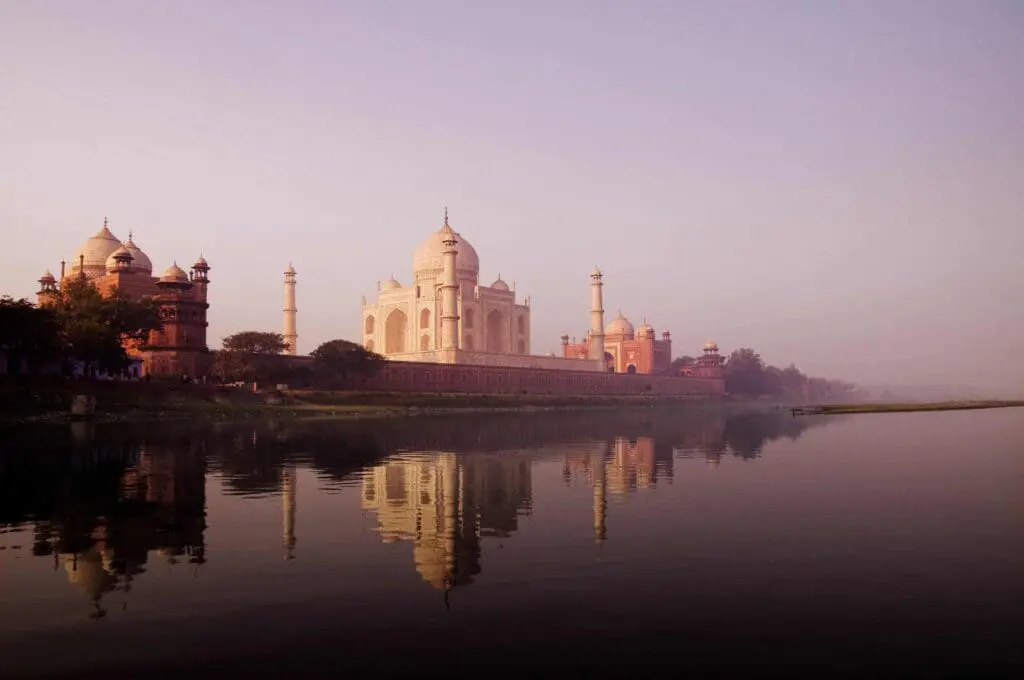
The Taj Mahal is spectacular whichever time of year. Generally speaking, October through to March is best, but the light and atmosphere change through the seasons which offers wonderful opportunities for photography.
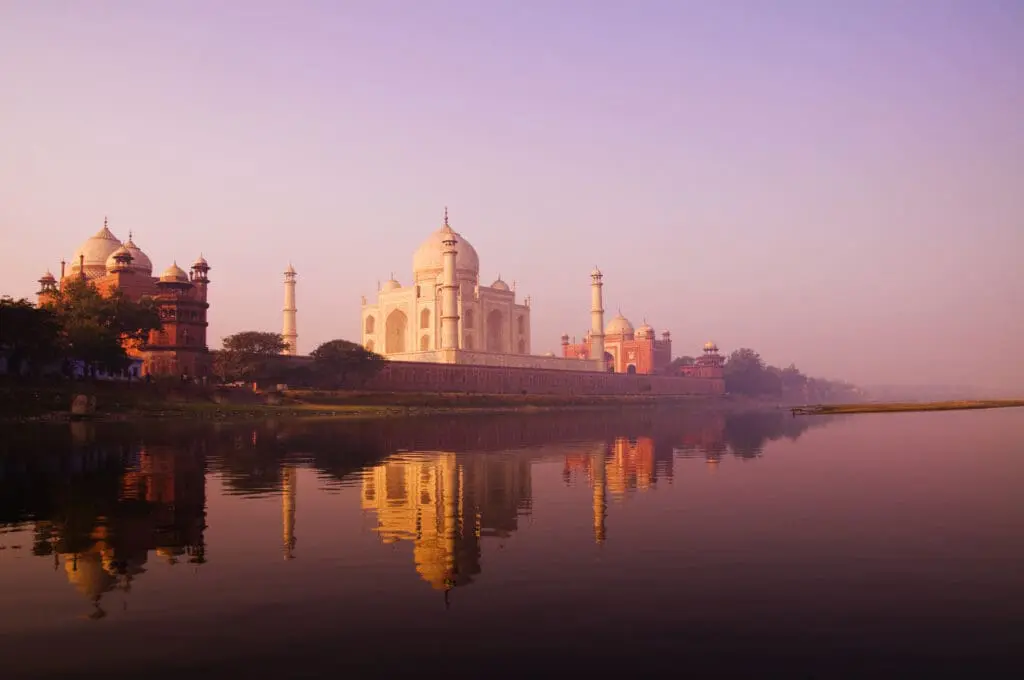
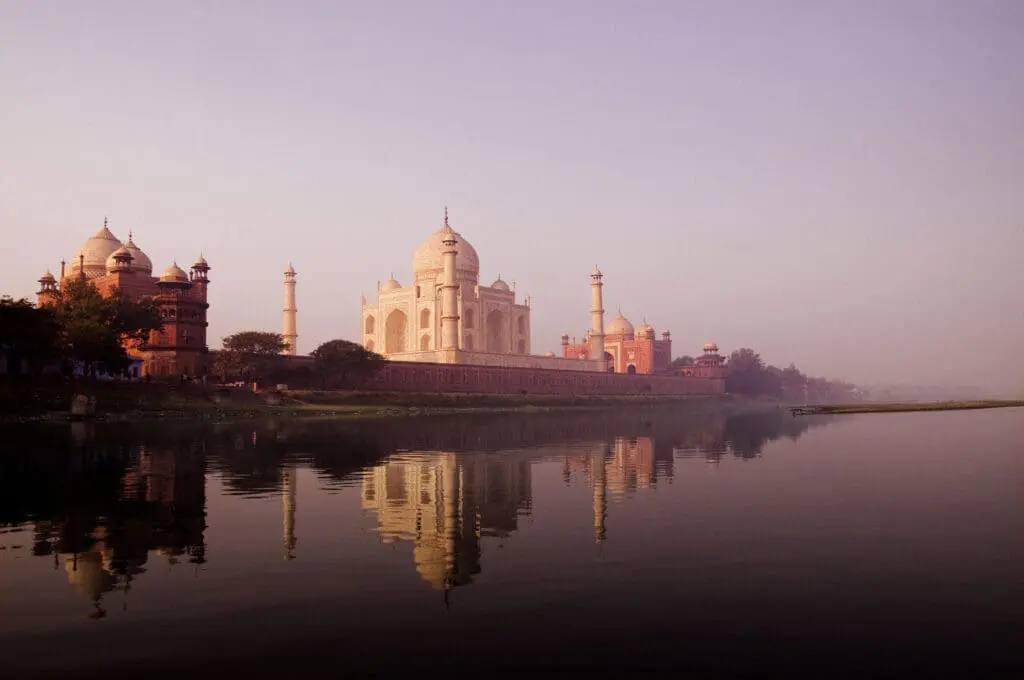
Early morning in winter can be foggy and cold as the Taj Mahal lies on the Yamuna River in the Gangetic Plain.
However as the sun rises the mist burns off and the marble can glow, especially as the Taj Mahal has been given a mudpack facial to lift off discolouration and impurities from pollution.
Sunset turns the sky pink and can make the monument turn rosy.
The Mughal gardens that lead up to the Taj are lovely and shady and so if you find yourself there during the heat of the day, find a bench under a tree and people watch!
It’s best to avoid Indian public holidays or festivals when there will be lots of crowds visiting their national monument.
Also, bear in mind that the Taj Mahal is closed Fridays!
Which is the best month to visit Delhi?
Delhi is also in the Ganges plain and so can have freezing fog in the winter months of December – early February.
However, sightseeing can be planned around any time of year, and Delhi has many indoor museums and outdoor excursions can take place during the warm afternoons.
October, November and March are the best months weather-wise.
Which northern Indian city has the best weather?
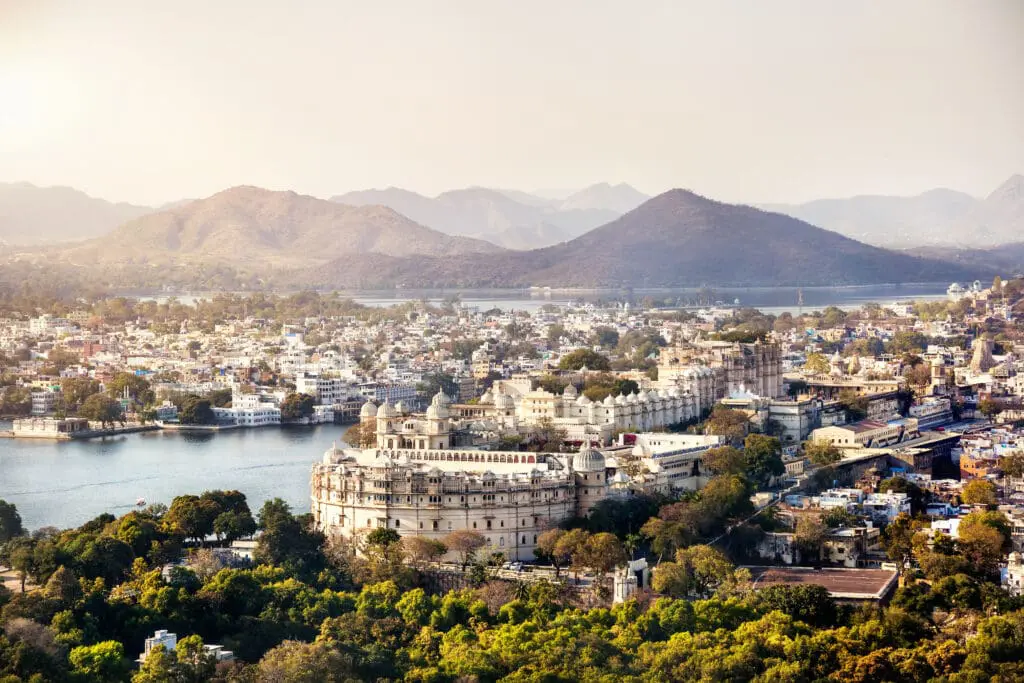
Within Rajasthan, Udaipur has the ‘best’ weather, in my opinion. It is one of the most southwesterly cities within the region and is flanked by the Aravali Hills.
So it enjoys warmer weather during winter than Delhi, with no fog at night!
It is cooler during premonsoon summer months as the rains come up from the south and the Aravali hills cause cloud bursts out of town, but visible from your hotel – stunning.
CURIOUS ABOUT INDIA?
An India specialist is always on hand to chat if you would like some personal advice – you can reach us on 0207 924 7133 .
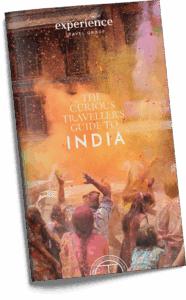
CURIOUS TRAVELLER’S GUIDE TO INDIA
Want to know more? With so much to see and do, planning a holiday to India can feel overwhelming – so our Curious Traveller’s Guide to India makes it that much easier. This is our experts’ edit of experiences and hotels, plus a detailed breakdown of popular regions and advice for first-time visitors.