Visiting India During the Monsoons
As the monsoon rains follow a pattern with the trade winds, it is possible to plan your India holiday around them and avoid the heavy rainfall.
For instance, the summer monsoon does not cause heavy rains to the southeasterly regions like Tamil Nadu, which experience heavier rainfall in October & November.
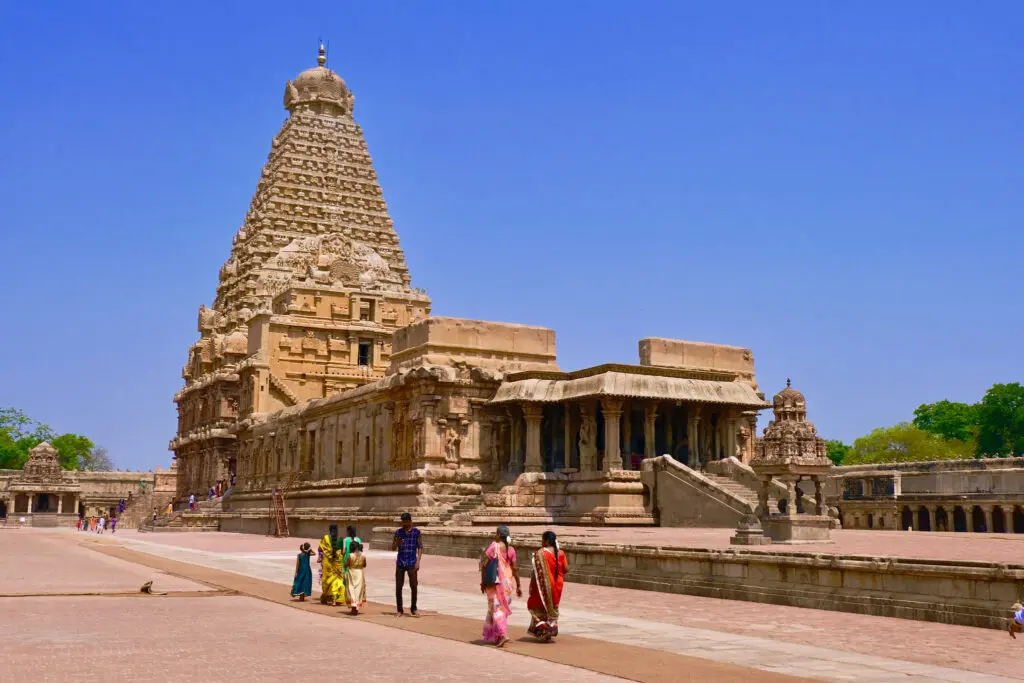
Tamil Nadu
So, although extremely humid, July and August are good off-peak months to explore the temple delights of Madurai and the coastal French colonial town of Pondicherry.
I’d recommend visiting sights in the cooler mornings and evenings, and choosing a lovely hotel with air conditioning and a swimming pool, to help you to get the most out of your hot midsummer holiday!
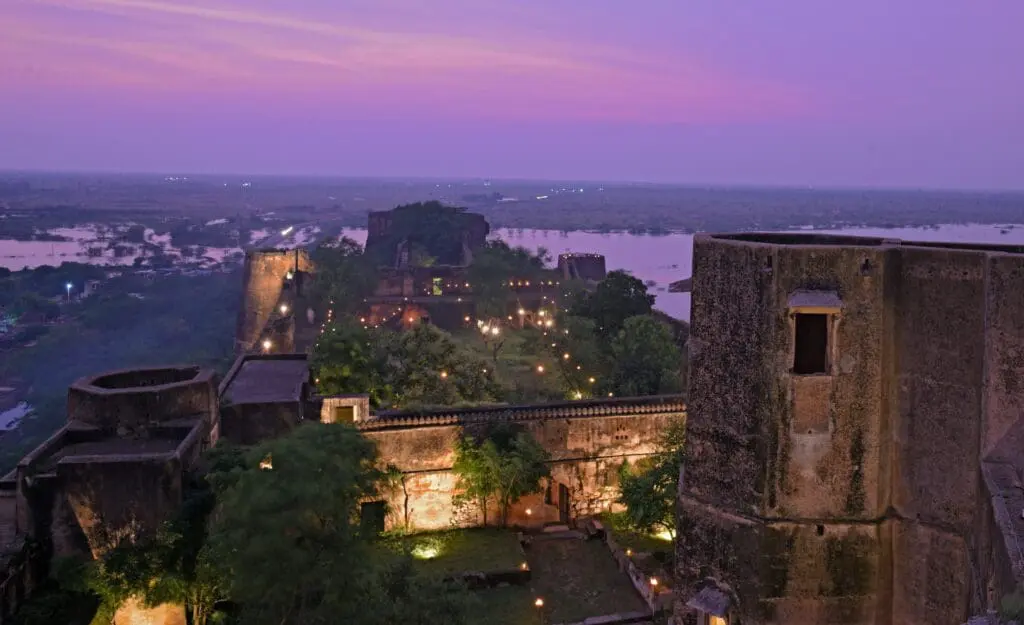
Rajasthan
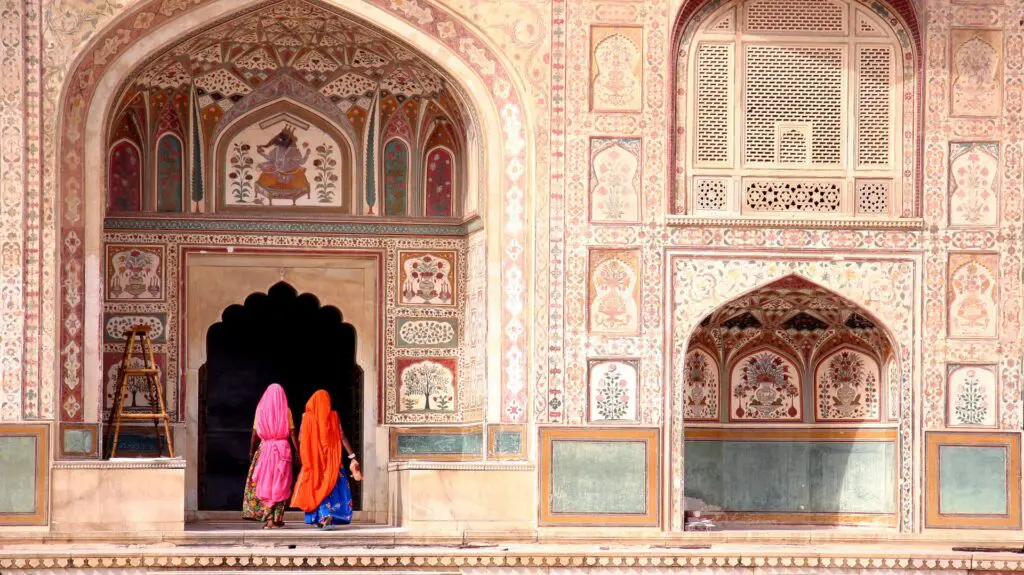
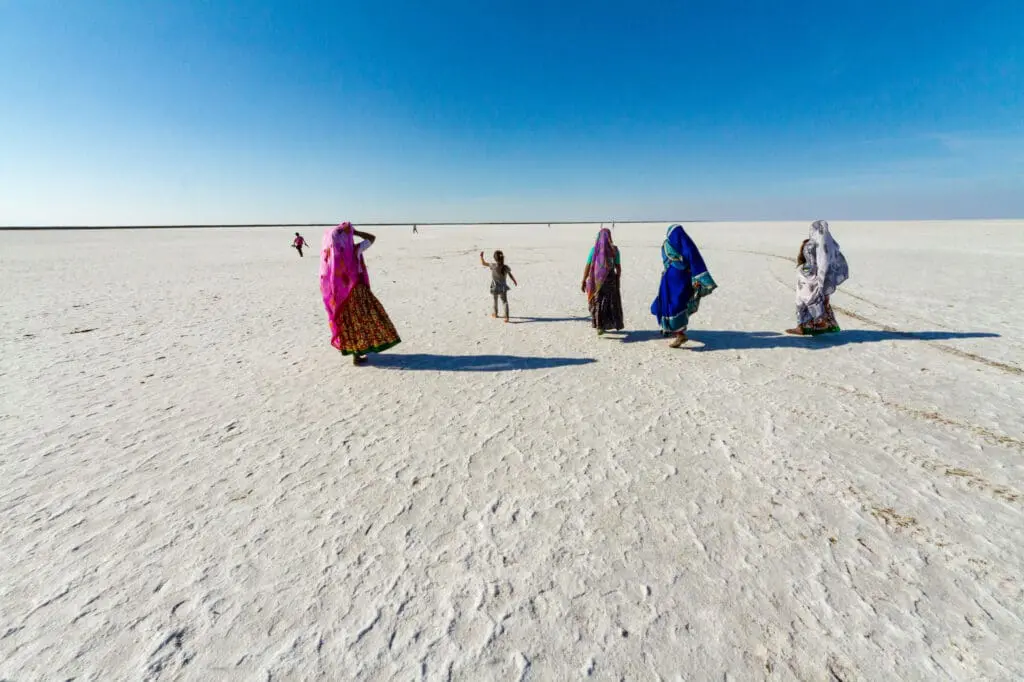
Rajasthan is the driest state in India and has the Thar desert to its west. The summer monsoon hits in July, and starts strongly, with the first rains turning the streets into rivers.
July and August see approximately 7-8 inches of rainfall each month in a typical Rajasthani town, such as Jaipur.
However, come September, the monsoon has almost blown out, though there can be the occasional shower.
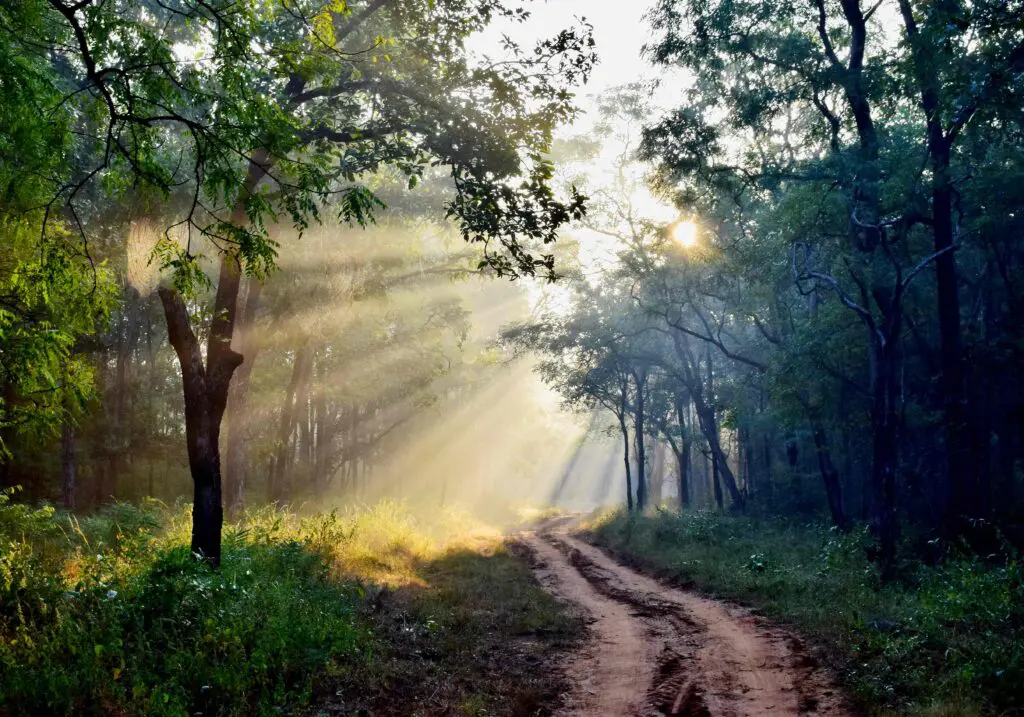
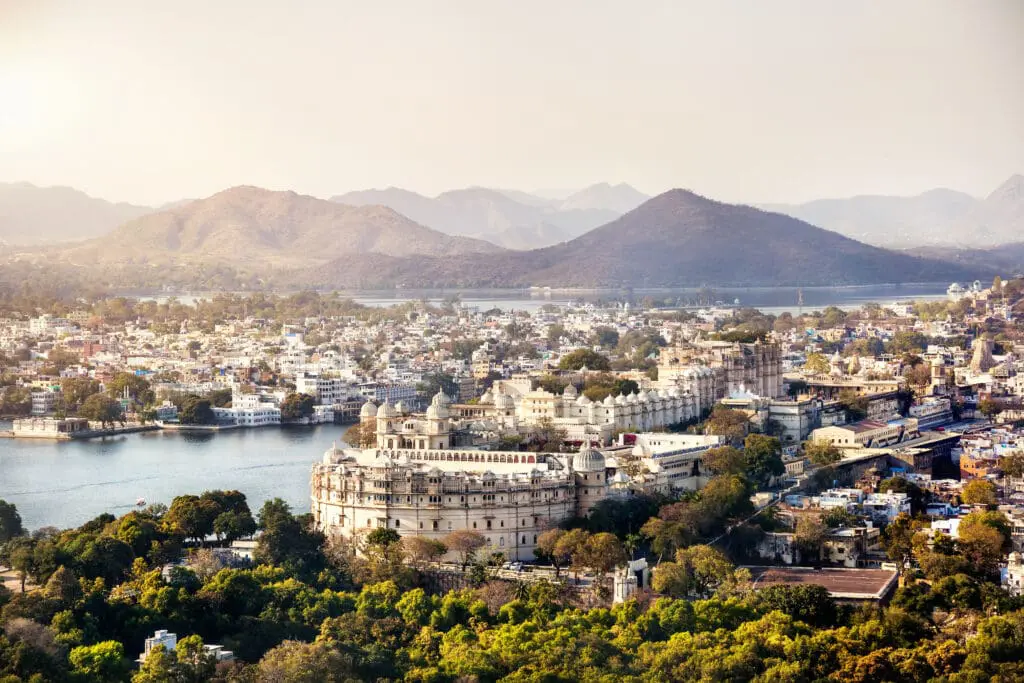
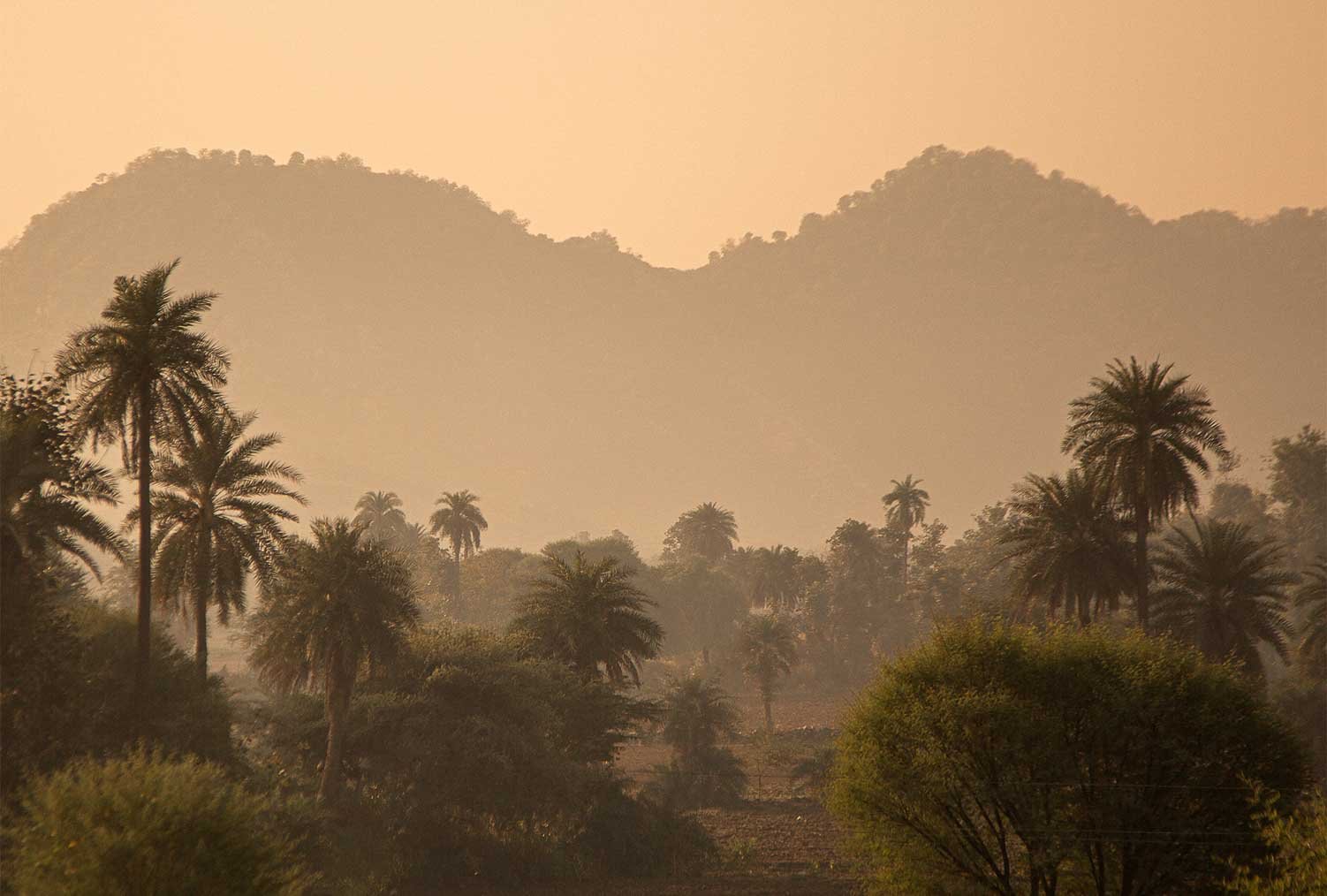
It’s a beautiful time to visit as the hills are lush and green, the lakes are full, and only a few other visitors, so you can feel as if you have the country to yourself!
Western Ghats
The southern mountain ranges, the Western Ghats, receive a lot of rainfall during monsoon!
Their altitude catches the monsoon trade winds in the summer and winter – so they can have heavy rainfall from June to October.
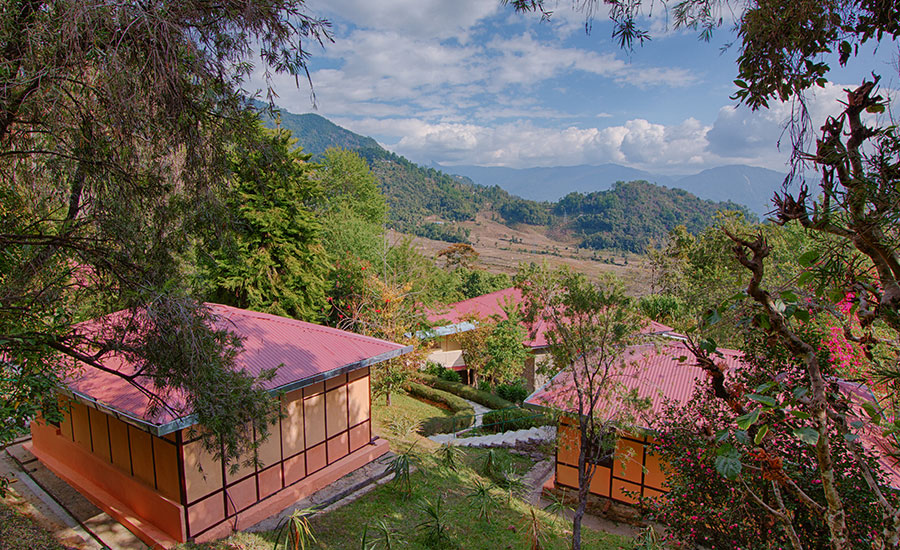
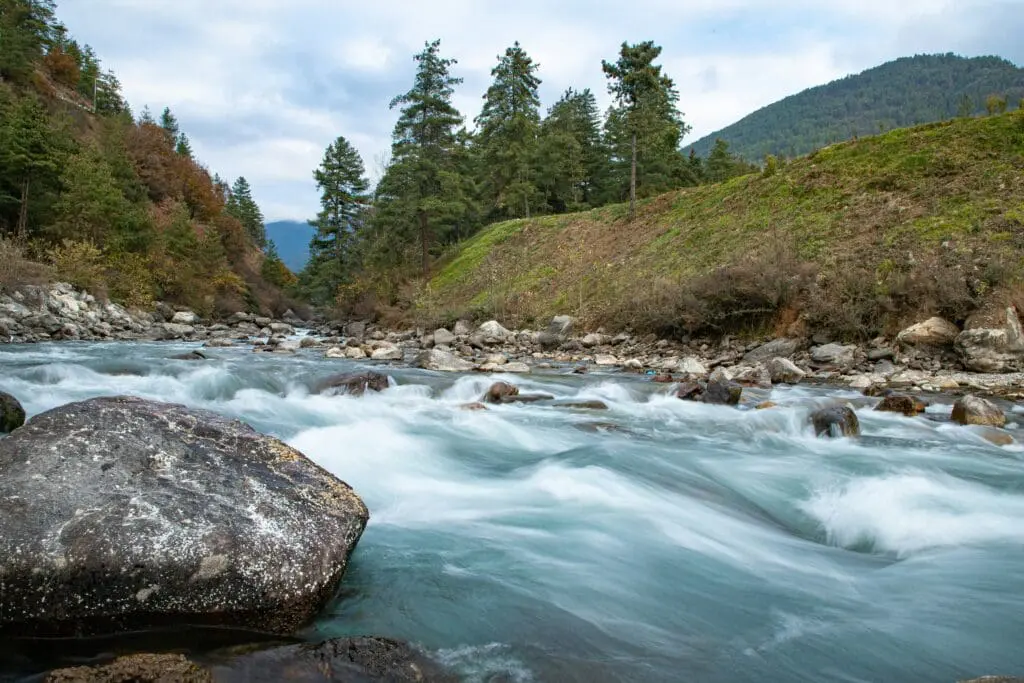
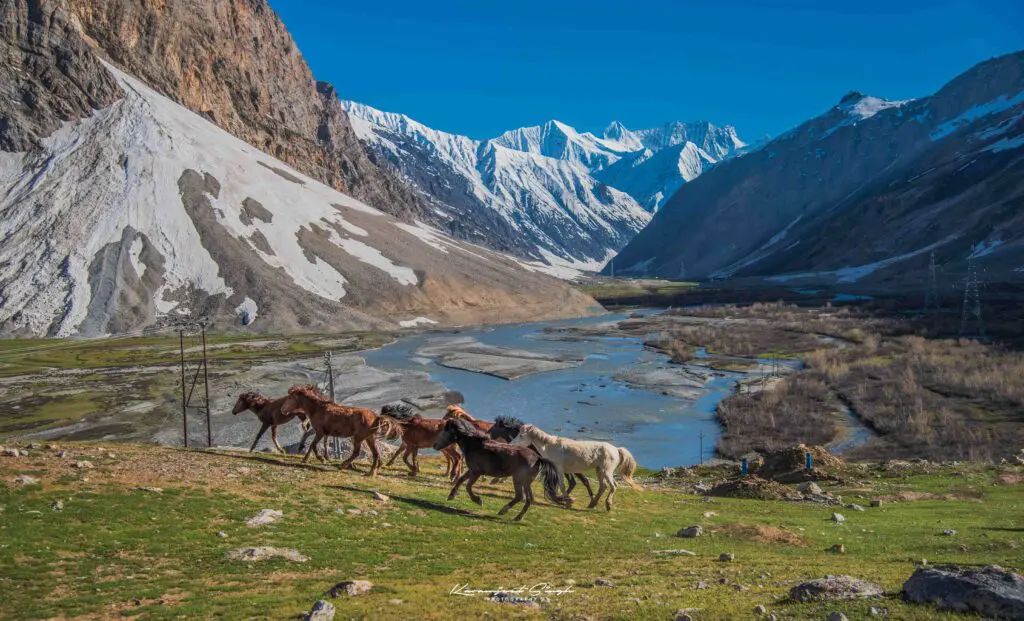
As the beautiful landscapes and views of the western ghats, including tea and spice plantations, lakes and waterfalls, and support great birdlife the best months to visit them and enjoy the great outdoors is November – March.
National Parks and Monsoon Closure
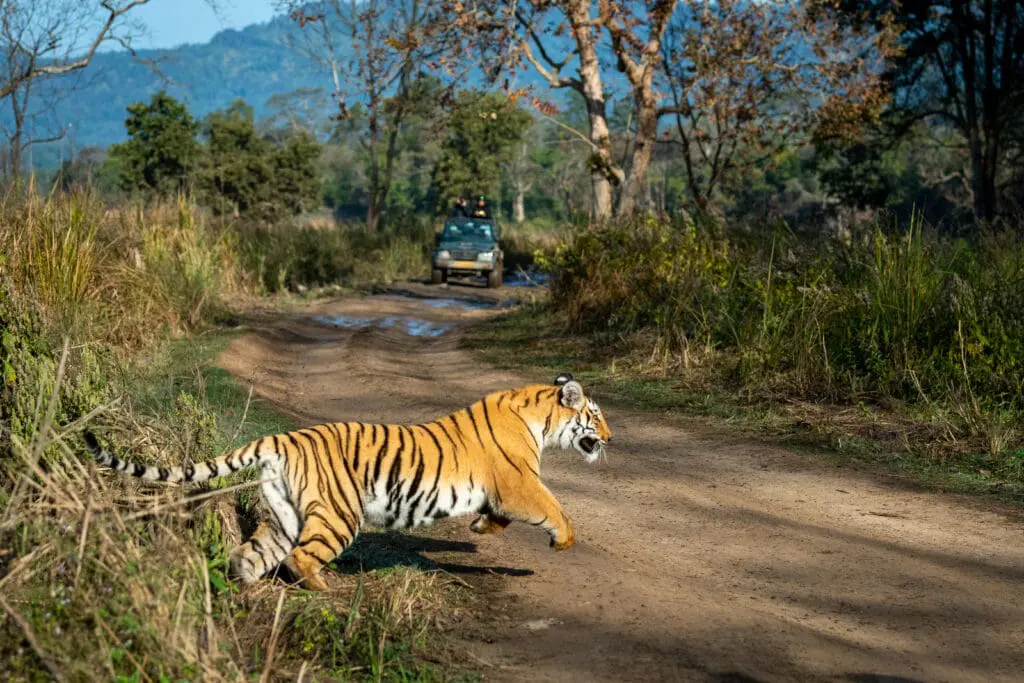
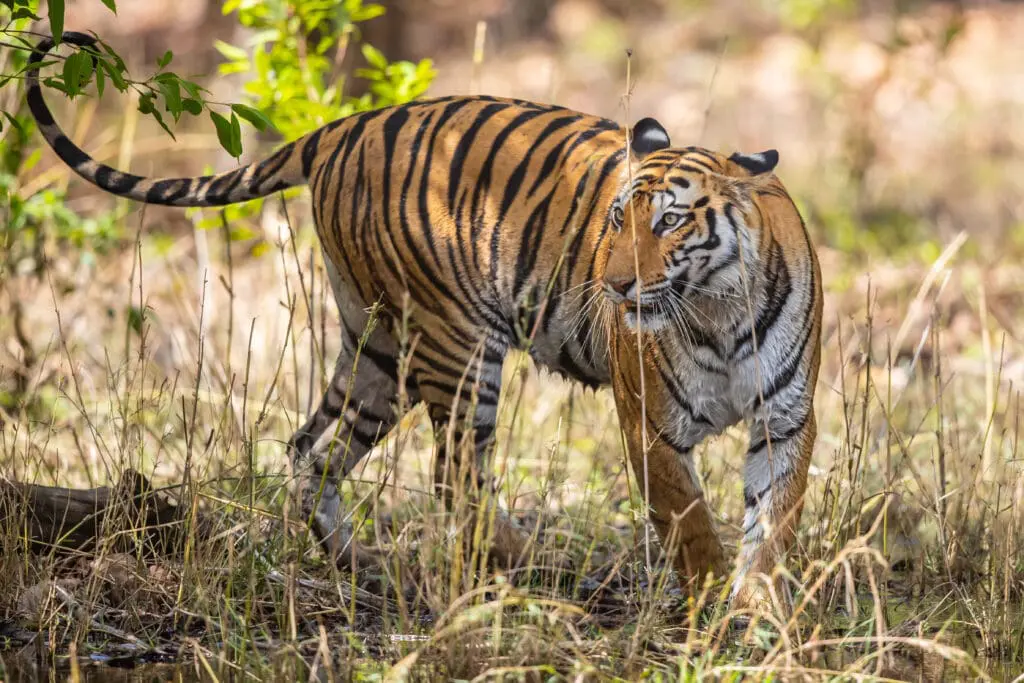
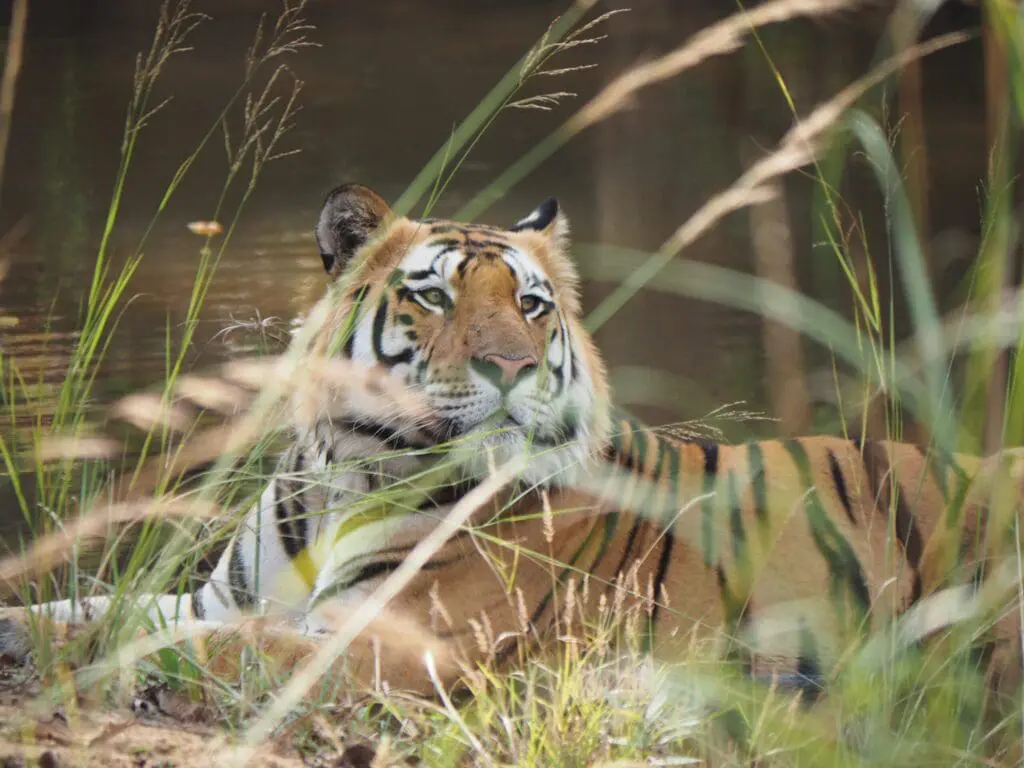
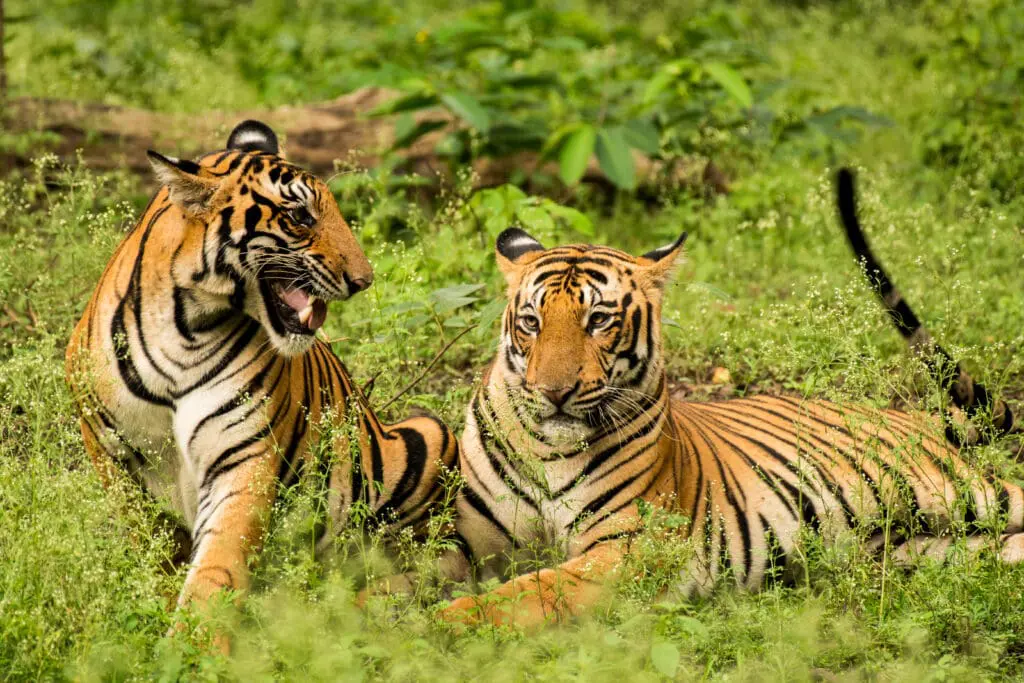
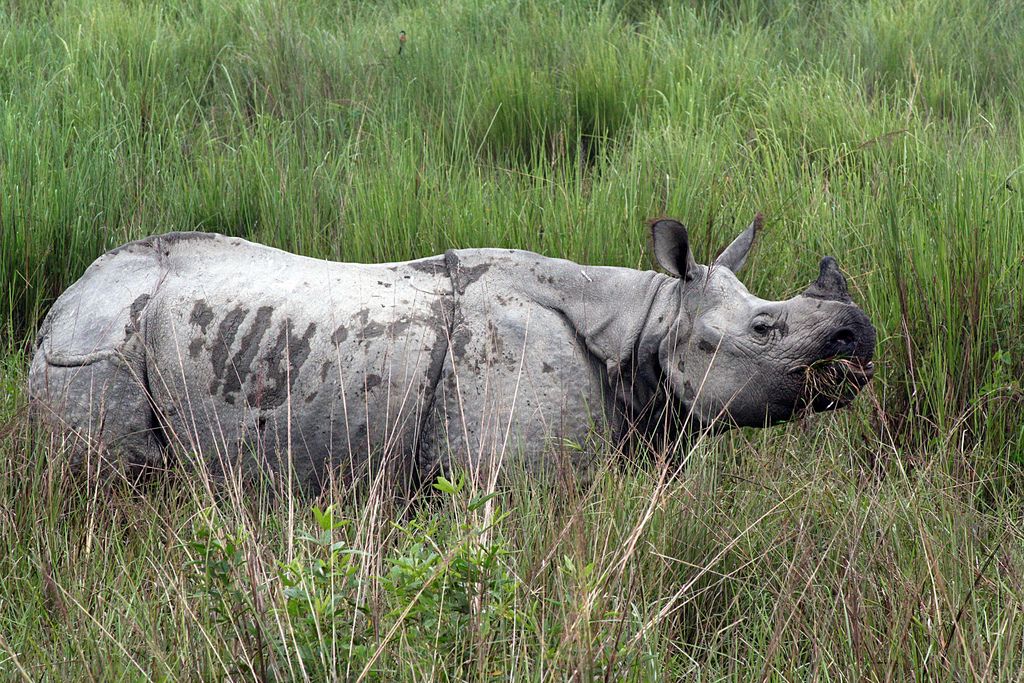
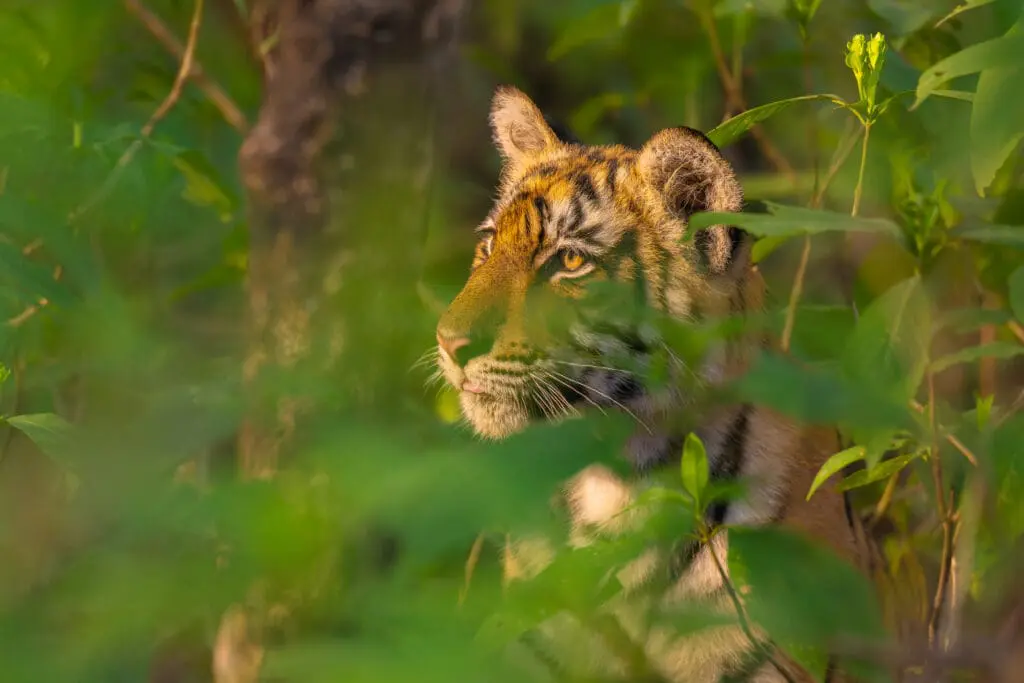
Most national parks are closed over the monsoon season, as flooding and rainfall hamper accessibility to the rural zones and reduce the chances of wildlife sightings.
Find out more about the weather conditions, with our the seasonal guide to India.
What are monsoons and what causes them?
Monsoons are caused by a pressure difference between sea and land, bringing seasonal winds and rains.
The southwest monsoon occurs after the hot summer. The huge landmass of India heats up at a different rate to the surrounding sea, and the extreme heat of the Thar Desert in Rajasthan draws in moisture-laden winds from the low-pressure area in the Arabian Sea.
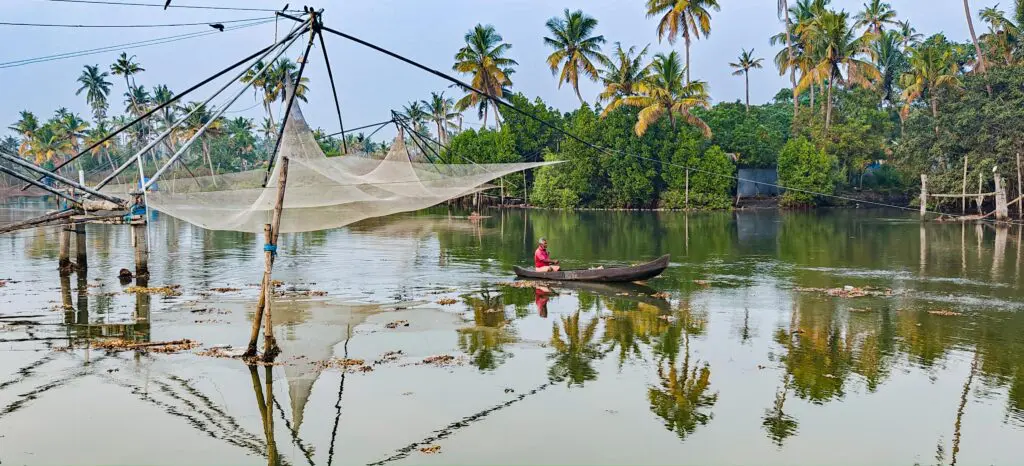
The winds first hit the Western Ghats of Kerala, this land relief causes the air to rise and cool with subsequent rainfall, and they then move northwards.
The rains reach Kerala around the beginning of June, usually arriving in Mumbai approximately 10 days later, then Delhi by the end of June, and the rest of India by mid-July.
The reverse happens in winter, during the northeast monsoon. The land is colder than the sea, so the pressure gradient is from land to sea.
Winds blow over the Indian subcontinent toward the Indian Ocean in a northeasterly direction, passing over the Bay of Bengal picking up moisture, and causing rain in Tamil Nadu in October – November.
How bad are the monsoon seasons in India?
There is often news of disruption, flooding and landslides at the start of the summer monsoon around June, as it is stronger than the winter monsoon.
The earth is sunbaked and dry from the summer and so can not cope with the sudden deluge.
That said, the start of the monsoon is not always disastrous – in fact, it is often welcomed after the hot summer, and many Indians will rejoice in the first downpours which are accompanied by a dramatic thunder and lightning display!
As India’s economy is around 20% agriculture, it is reliant on a good monsoon.
As the monsoon progresses through the season, it falls into a rhythm of raining for at least a few hours most days. It can be sunny one minute and pouring the next, and the rain can be unpredictable.
Some days there is very little rainfall which will cause the temperature and humidity to rise again. The peak months of rainfall are July and August, it tapers off in September.
September is a great month to visit as the lakes are full, the mountains green, and the temperature cooler.
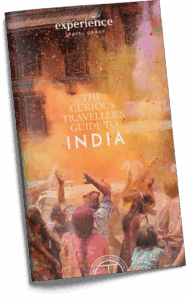
 CURIOUS TRAVELLER’S GUIDE TO INDIA
Want to know more? With so much to see and do, planning a holiday to India can feel overwhelming – so our Curious Traveller’s Guide to India makes it that much easier. This is our experts’ edit of experiences and hotels, plus a detailed breakdown of popular regions and advice for first-time visitors.
DOWNLOAD NOW




 CURIOUS TRAVELLER’S GUIDE TO INDIA