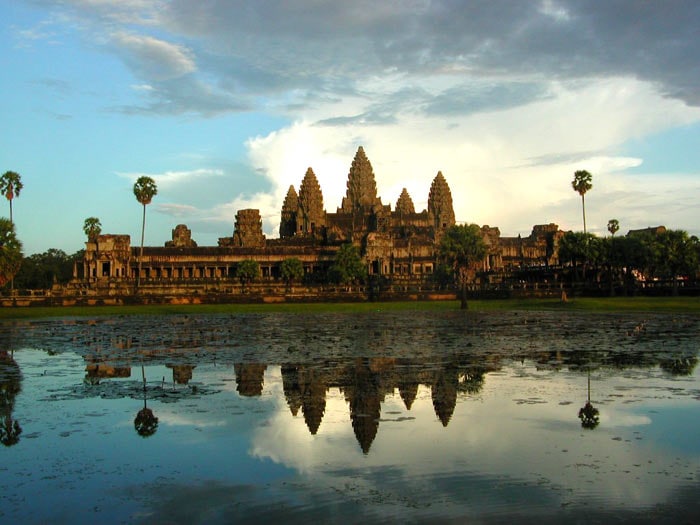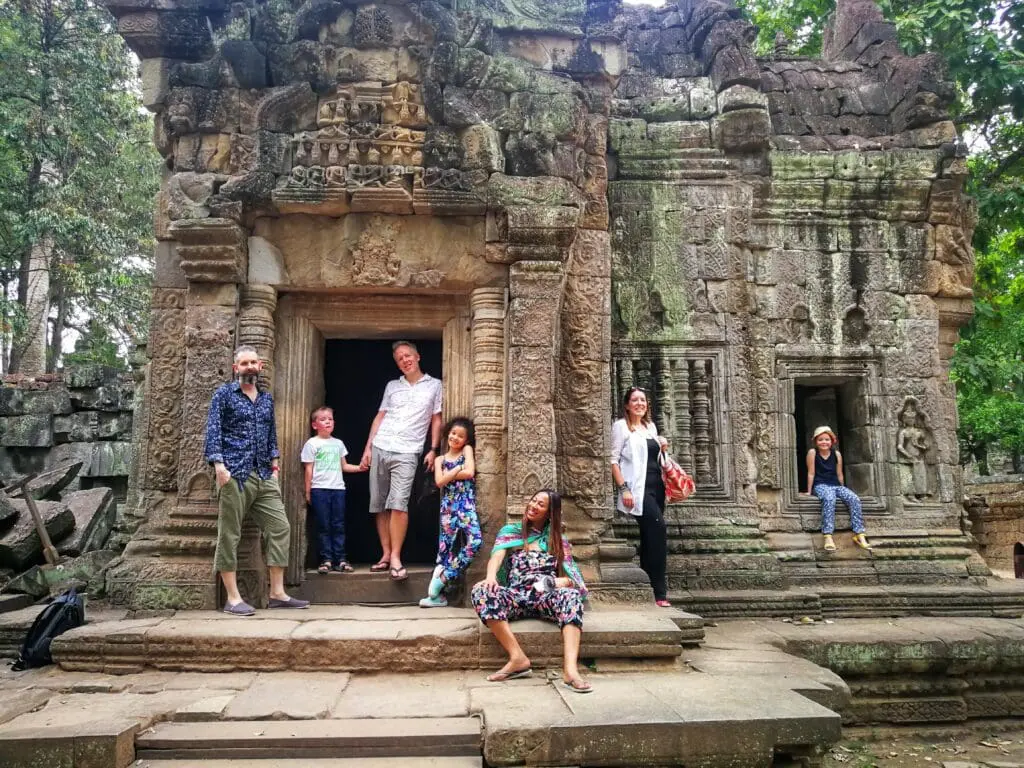


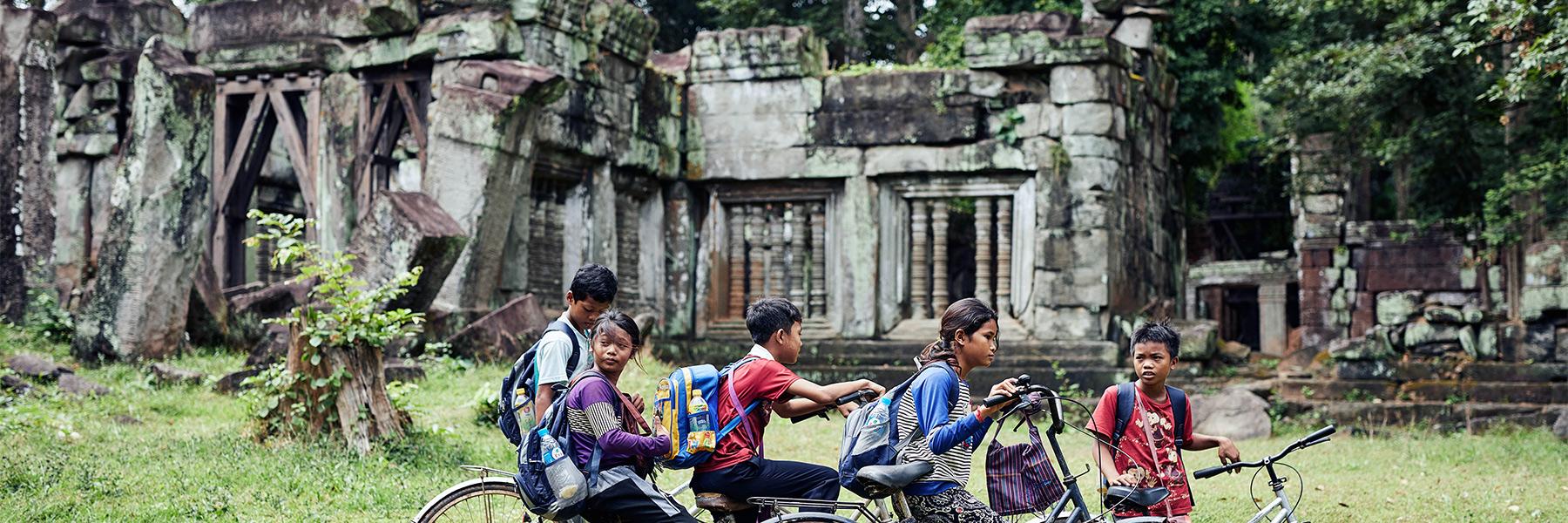

While Siem Reap’s Angkor temples are spectacular and well worth a visit to the city alone, it is worth dedicating some time to explore the more remote temples in the region.
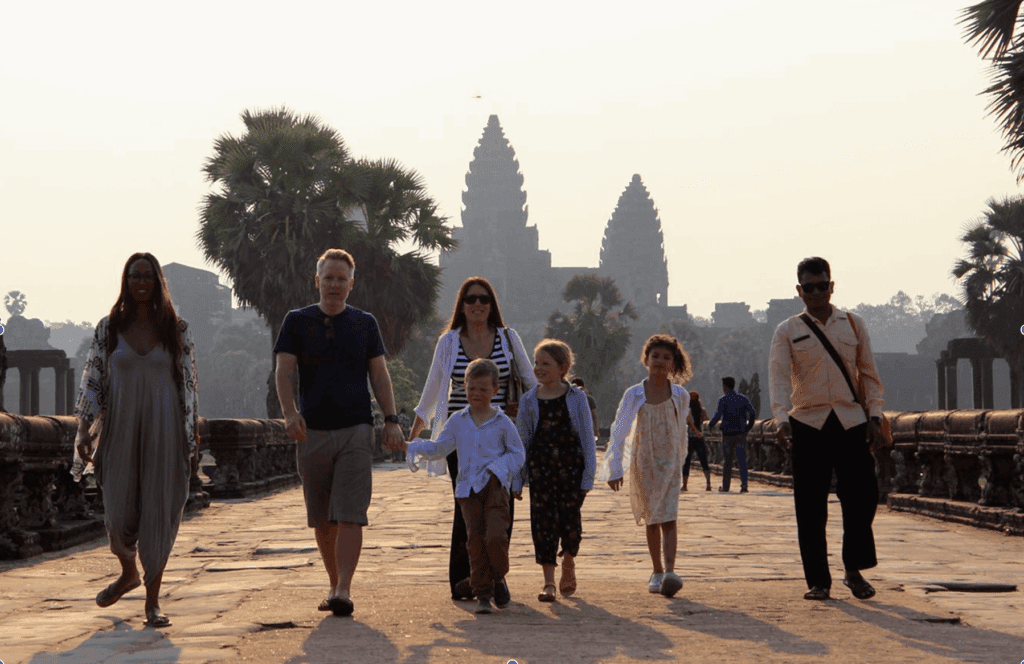
A visit to the city needn’t mean jostling for a prime position with hundreds of other tourists. The remote Khmer temples see far fewer visitors in comparison to the ancient Angkorian wonders like Angkor Wat, Ta Prohm and Bayon, to name a few.
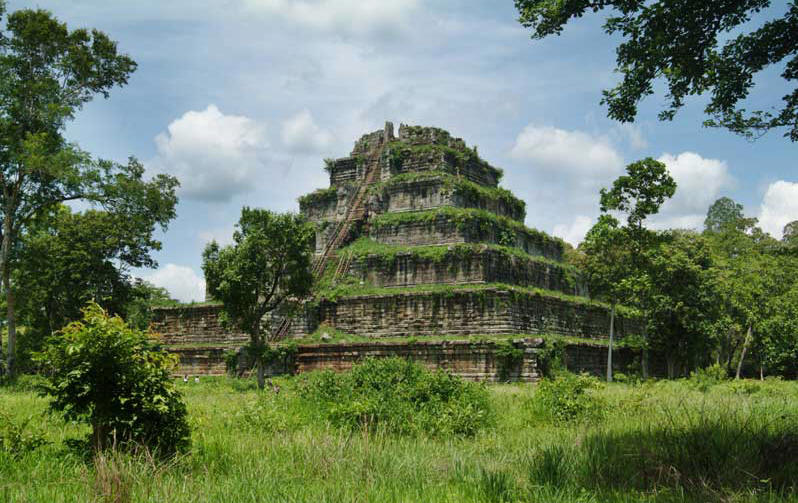
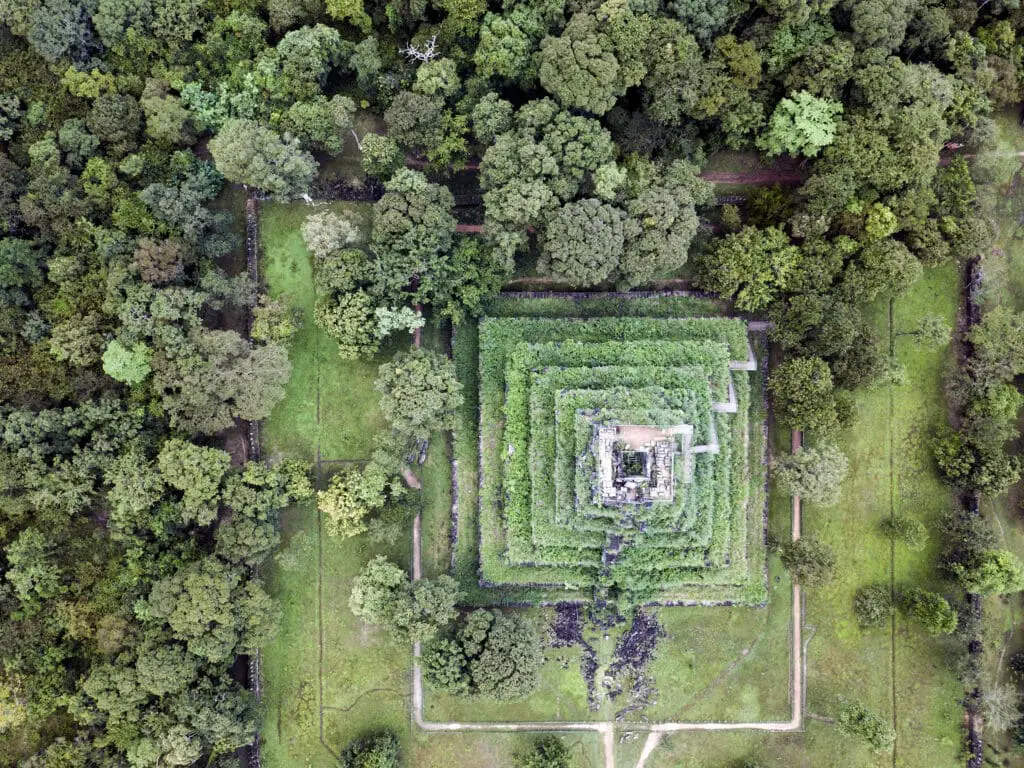
One of the most remote temples, the jungle-shrouded Koh Ker was once the capital of the Khmer Empire in the 10th century. The area encompasses 42 structures and at the peak of its main seven-tiered sandstone monument, Prasat Krahom, you can enjoy panoramic views out to the forest below. The mysterious, labyrinth-like Beng Melea sits northeast of Siem Reap and is on the same size and scale as Angkor Wat.
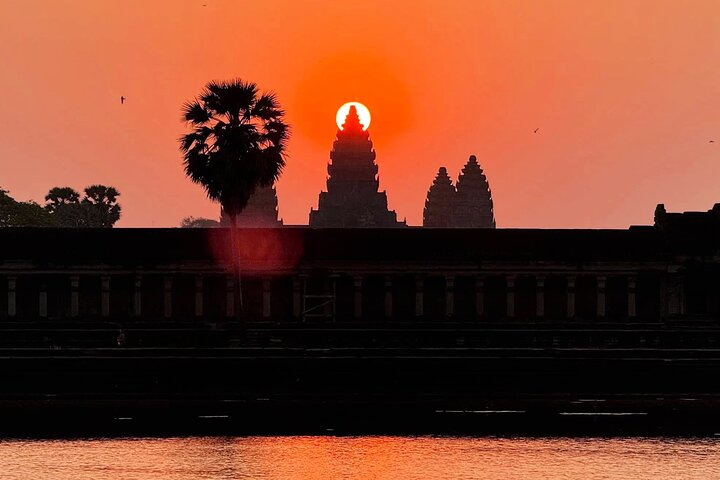

The Roluos Group comprises several temples, Bakong, Preah Ko and Lolei, which are some of the earliest constructed by the Khmer people in the 9th century. These pre-Angkorian structures, all of which are distinctly different, give an insight into the construction methods and materials that were used before the construction of Angkor Wat.
Banteay Srei, dedicated to the Hindu god Shiva, is famous for the beautiful pink hue of its sandstone and its intricate carvings. Many argue that these are some of the finest in the world and while the temple itself is one of the smaller Angkor structures, the detail makes it especially unique and memorable.
Lying along the southwestern slopes of the Kulen Hills, the temple of Kbal Spean sits along a 150 metre stretch of the Stung Kbal Spean River. This remarkable site is surrounded by thick jungle and includes stone carvings that decorate the banks and river bed itself. Kbal Spean was constructed during the 11th and 12th centuries and a stroll along the river’s edge unearths an astonishing collection of gods, lingas and scenes from Hindu mythology.